


Gifting Made Simple
Give the Gift of ChoiceClick below to purchase a Prairie Mall eGift Card that can be used at participating retailers at Prairie Mall.Buy Gift CardHome
The Public Economics of Changing Longevity
Coles
Loading Inventory...
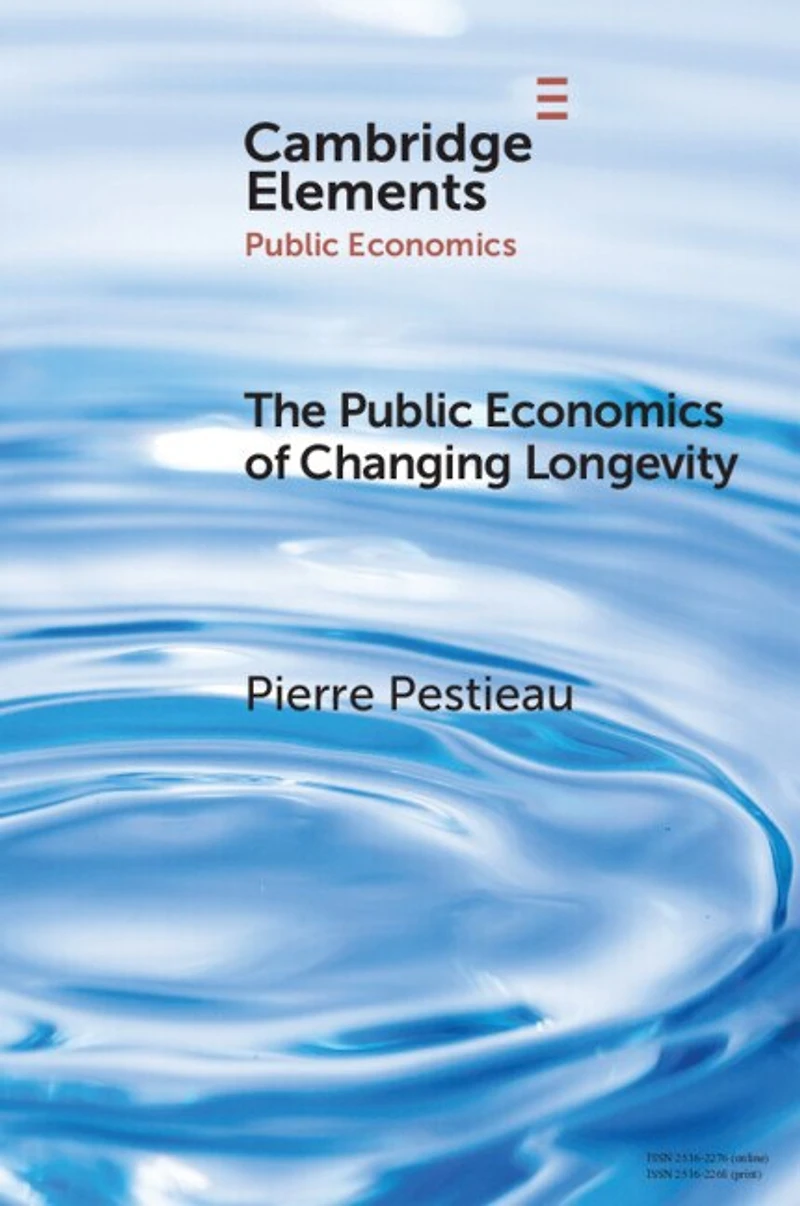
The Public Economics of Changing Longevity in Grande Prairie, AB
Current price: $29.54
Coles
The Public Economics of Changing Longevity in Grande Prairie, AB
Current price: $29.54
Loading Inventory...
Size: Paperback
*Product information and pricing may vary - to confirm current pricing, availability, shipping, and return information please contact Coles. In the event of a pricing discrepancy, the retailer's price will apply.
Our societies are witnessing a steady increase in longevity. This demographic evolution is accompanied by some convergence across countries, but at the same time substantial longevity inequalities persist within nations across income classes. This Element aims to survey some crucial implications of changing longevity on the design of optimal public policy. For that purpose, it first focuses on some difficulties raised by risky and varying lifetime for the representation of individual and social preferences. Then, it explore some central implications of changing longevity for optimal policy making, regarding prevention against premature death, pension policies, education, health care and long-term care. The author distinguishes between the case when longevity is partially the responsibility of individuals and the case when longevity is plainly exogenous.
Our societies are witnessing a steady increase in longevity. This demographic evolution is accompanied by some convergence across countries, but at the same time substantial longevity inequalities persist within nations across income classes. This Element aims to survey some crucial implications of changing longevity on the design of optimal public policy. For that purpose, it first focuses on some difficulties raised by risky and varying lifetime for the representation of individual and social preferences. Then, it explore some central implications of changing longevity for optimal policy making, regarding prevention against premature death, pension policies, education, health care and long-term care. The author distinguishes between the case when longevity is partially the responsibility of individuals and the case when longevity is plainly exogenous.
You May Also Like








Find at Prairie Mall in Grande Prairie, AB
Visit at Prairie Mall in Grande Prairie, AB