


Gifting Made Simple
Give the Gift of ChoiceClick below to purchase a Prairie Mall eGift Card that can be used at participating retailers at Prairie Mall.Buy Gift CardHome
The Problems of Philosophy
Coles
Loading Inventory...
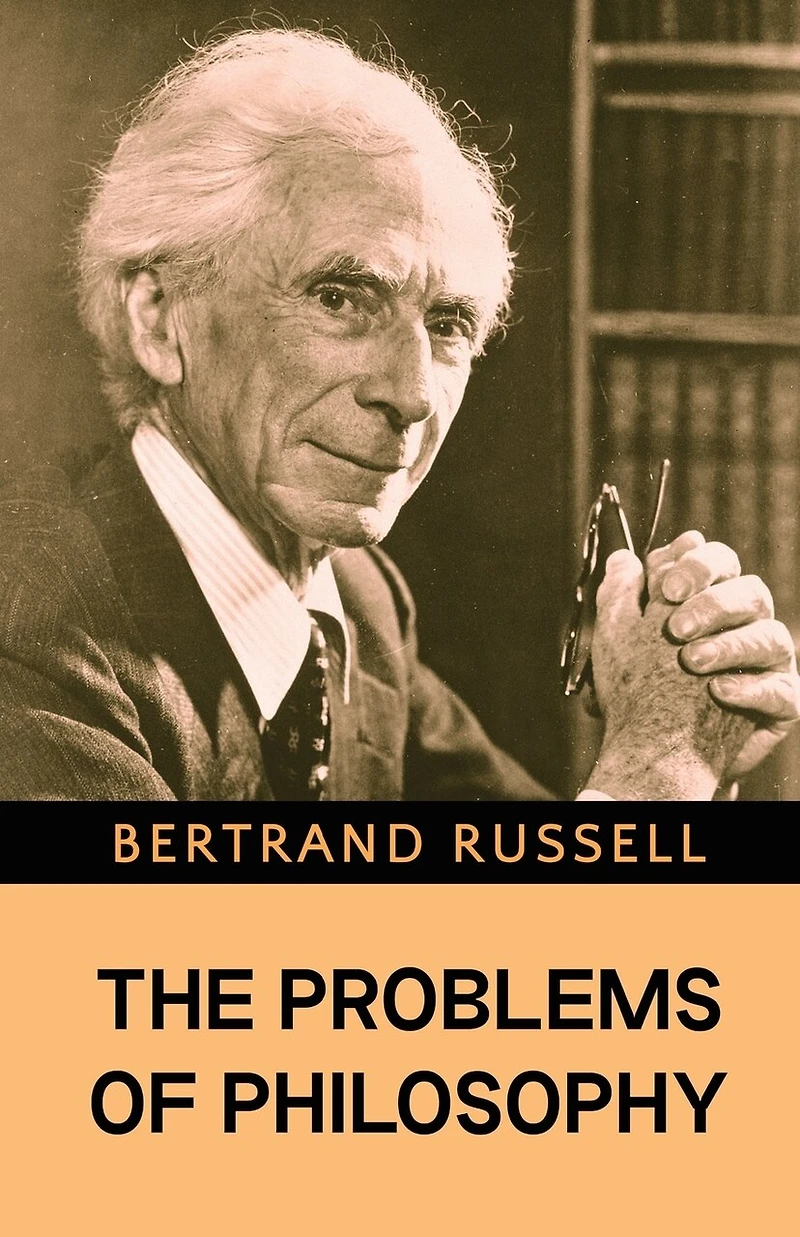
The Problems of Philosophy in Grande Prairie, AB
Current price: $18.99
Coles
The Problems of Philosophy in Grande Prairie, AB
Current price: $18.99
Loading Inventory...
Size: Paperback
*Product information and pricing may vary - to confirm current pricing, availability, shipping, and return information please contact Coles. In the event of a pricing discrepancy, the retailer's price will apply.
In The Problems of Philosophy, Bertrand Russell attempts to create a brief and accessible guide to the problems of philosophy. He introduces philosophy as a repeating series of (failed) attempts to answer the same questions: Can we prove that there is an external world? Can we prove cause and effect? Can we validate any of our generalizations? Can we objectively justify morality? He asserts that philosophy cannot answer any of these questions and that any value of philosophy must lie elsewhere than in offering proofs to these questions. Focusing on problems he believes will provoke positive and constructive discussion, Russell concentrates on knowledge rather than metaphysics: If it is uncertain that external objects exist, how can we then have knowledge of them but by probability. There is no reason to doubt the existence of external objects simply because of sense data. A lively and still one of the best introductions to philosophy, this book is a closer reading for students, specialists and casual reading for the general public.
In The Problems of Philosophy, Bertrand Russell attempts to create a brief and accessible guide to the problems of philosophy. He introduces philosophy as a repeating series of (failed) attempts to answer the same questions: Can we prove that there is an external world? Can we prove cause and effect? Can we validate any of our generalizations? Can we objectively justify morality? He asserts that philosophy cannot answer any of these questions and that any value of philosophy must lie elsewhere than in offering proofs to these questions. Focusing on problems he believes will provoke positive and constructive discussion, Russell concentrates on knowledge rather than metaphysics: If it is uncertain that external objects exist, how can we then have knowledge of them but by probability. There is no reason to doubt the existence of external objects simply because of sense data. A lively and still one of the best introductions to philosophy, this book is a closer reading for students, specialists and casual reading for the general public.
You May Also Like











Find at Prairie Mall in Grande Prairie, AB
Visit at Prairie Mall in Grande Prairie, AB