


Gifting Made Simple
Give the Gift of ChoiceClick below to purchase a Prairie Mall eGift Card that can be used at participating retailers at Prairie Mall.Buy Gift CardHome
The Problem of Evil as Described by Nietzsche
Coles
Loading Inventory...
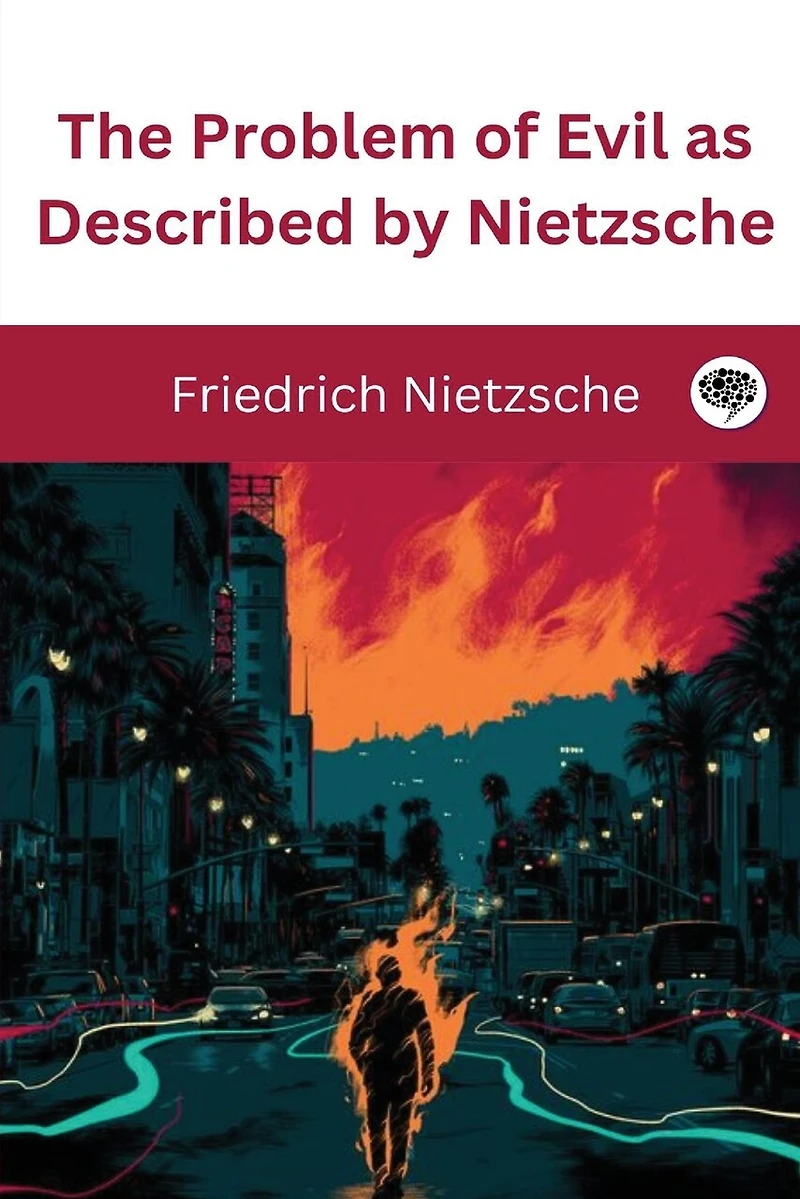
The Problem of Evil as Described by Nietzsche in Grande Prairie, AB
Current price: $39.99
Coles
The Problem of Evil as Described by Nietzsche in Grande Prairie, AB
Current price: $39.99
Loading Inventory...
Size: Paperback
*Product information and pricing may vary - to confirm current pricing, availability, shipping, and return information please contact Coles. In the event of a pricing discrepancy, the retailer's price will apply.
This collection includes the following writings of the German philosopher Friedrich Nietzsche - 'Thus Spoke Zarathustra: A Book for Everyone and No One', 'The Anti-Christ: A Criticism of Christianity', and 'European Nihilism'. This collection brings together works by Nietzsche that explore his identification of the problem of evil. Nietzsche's writings present his idea of abandoning evil due to its lack of presence as a moral reality and instead being used as a means to terrorize humans. It also explores the reasons why the concept of evil arose to be seen as a powerful force capable of great ruin. Regarded as one of the most profound German philosophers, Friedrich Nietzsche (1844-1900) is popularly considered a cultural critic and philologist whose work exerted a scholarly influence on modern intellectual history. His intellectual works focus on widespread themes such as religion, morality, philosophy, and science. Prominent elements of his philosophy include his radical critique of truth, a genealogical criticism of religion, and Christian morality. His body of work touched a wide range of topics, including art, philology, history, music, tragedy, and culture, most of which drew inspiration from Greek tragedy.
This collection includes the following writings of the German philosopher Friedrich Nietzsche - 'Thus Spoke Zarathustra: A Book for Everyone and No One', 'The Anti-Christ: A Criticism of Christianity', and 'European Nihilism'. This collection brings together works by Nietzsche that explore his identification of the problem of evil. Nietzsche's writings present his idea of abandoning evil due to its lack of presence as a moral reality and instead being used as a means to terrorize humans. It also explores the reasons why the concept of evil arose to be seen as a powerful force capable of great ruin. Regarded as one of the most profound German philosophers, Friedrich Nietzsche (1844-1900) is popularly considered a cultural critic and philologist whose work exerted a scholarly influence on modern intellectual history. His intellectual works focus on widespread themes such as religion, morality, philosophy, and science. Prominent elements of his philosophy include his radical critique of truth, a genealogical criticism of religion, and Christian morality. His body of work touched a wide range of topics, including art, philology, history, music, tragedy, and culture, most of which drew inspiration from Greek tragedy.
You May Also Like












Find at Prairie Mall in Grande Prairie, AB
Visit at Prairie Mall in Grande Prairie, AB