


Gifting Made Simple
Give the Gift of ChoiceClick below to purchase a Prairie Mall eGift Card that can be used at participating retailers at Prairie Mall.Buy Gift CardHome
The Problem of Affective Nihilism Nietzsche: Thinking Differently, Feeling Differently
Coles
Loading Inventory...
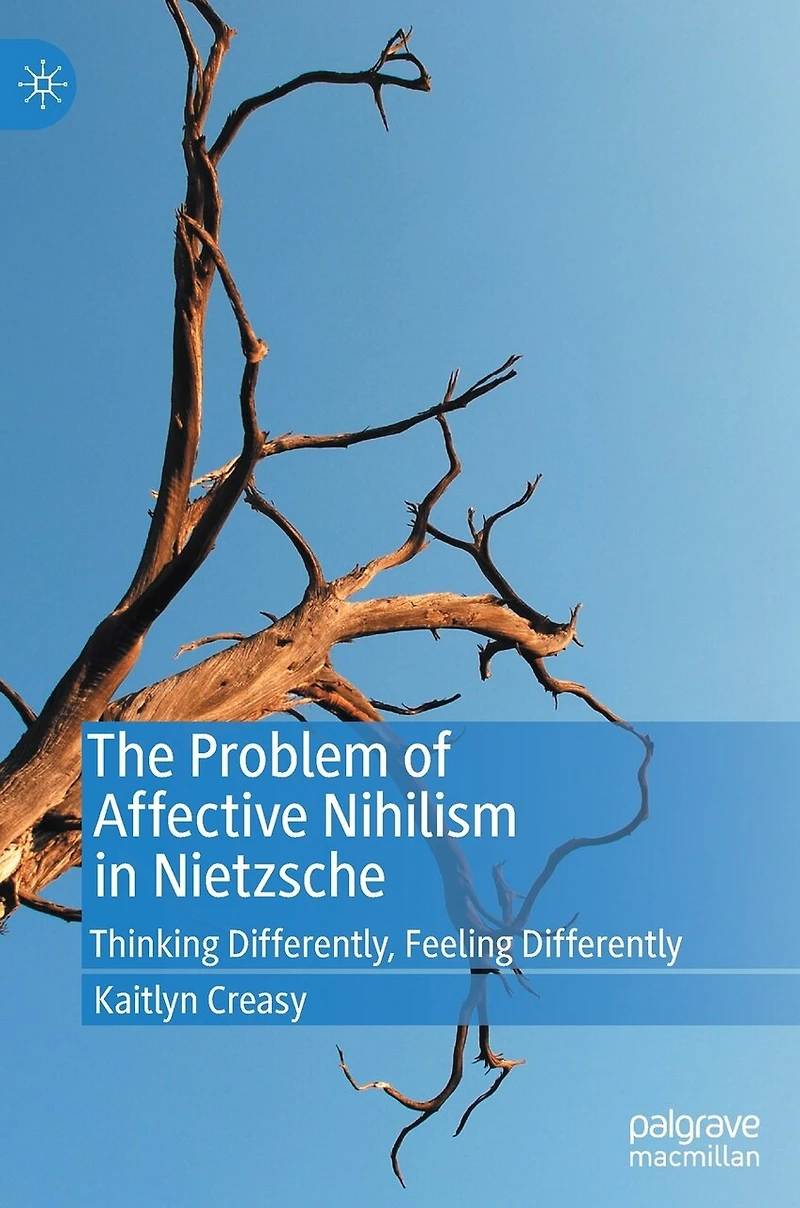
The Problem of Affective Nihilism Nietzsche: Thinking Differently, Feeling Differently in Grande Prairie, AB
Current price: $131.50
Coles
The Problem of Affective Nihilism Nietzsche: Thinking Differently, Feeling Differently in Grande Prairie, AB
Current price: $131.50
Loading Inventory...
Size: Hardcover
*Product information and pricing may vary - to confirm current pricing, availability, shipping, and return information please contact Coles. In the event of a pricing discrepancy, the retailer's price will apply.
Nietzsche is perhaps best known for his diagnosis of the problem of nihilism. Though his elaborations on this diagnosis often include descriptions of certain beliefs characteristic of the nihilist (such as beliefs in the meaninglessness or worthlessness of existence), he just as frequently specifies a variety of affective symptoms experienced by the nihilist that weaken their will and diminish their agency. This affective dimension to nihilism, however, remains drastically underexplored. In this book, Kaitlyn Creasy offers a comprehensive account of affective nihilism that draws on Nietzsche's drive psychology, especially his reflections on affects and their transformative potential. After exploring Nietzsche's account of affectivity (illuminating especially the transpersonal nature of affect in Nietzsche's thought) and the phenomenon of affective nihilism, Creasy argues that affective nihilism might be overcome by employing a variety of Nietzschean strategies: experimentation, self-narration, and self-genealogy.
Nietzsche is perhaps best known for his diagnosis of the problem of nihilism. Though his elaborations on this diagnosis often include descriptions of certain beliefs characteristic of the nihilist (such as beliefs in the meaninglessness or worthlessness of existence), he just as frequently specifies a variety of affective symptoms experienced by the nihilist that weaken their will and diminish their agency. This affective dimension to nihilism, however, remains drastically underexplored. In this book, Kaitlyn Creasy offers a comprehensive account of affective nihilism that draws on Nietzsche's drive psychology, especially his reflections on affects and their transformative potential. After exploring Nietzsche's account of affectivity (illuminating especially the transpersonal nature of affect in Nietzsche's thought) and the phenomenon of affective nihilism, Creasy argues that affective nihilism might be overcome by employing a variety of Nietzschean strategies: experimentation, self-narration, and self-genealogy.
You May Also Like
















Find at Prairie Mall in Grande Prairie, AB
Visit at Prairie Mall in Grande Prairie, AB