


Gifting Made Simple
Give the Gift of ChoiceClick below to purchase a Prairie Mall eGift Card that can be used at participating retailers at Prairie Mall.Buy Gift CardHome
The Powers of Dignity: Black Political Philosophy Frederick Douglass
Coles
Loading Inventory...
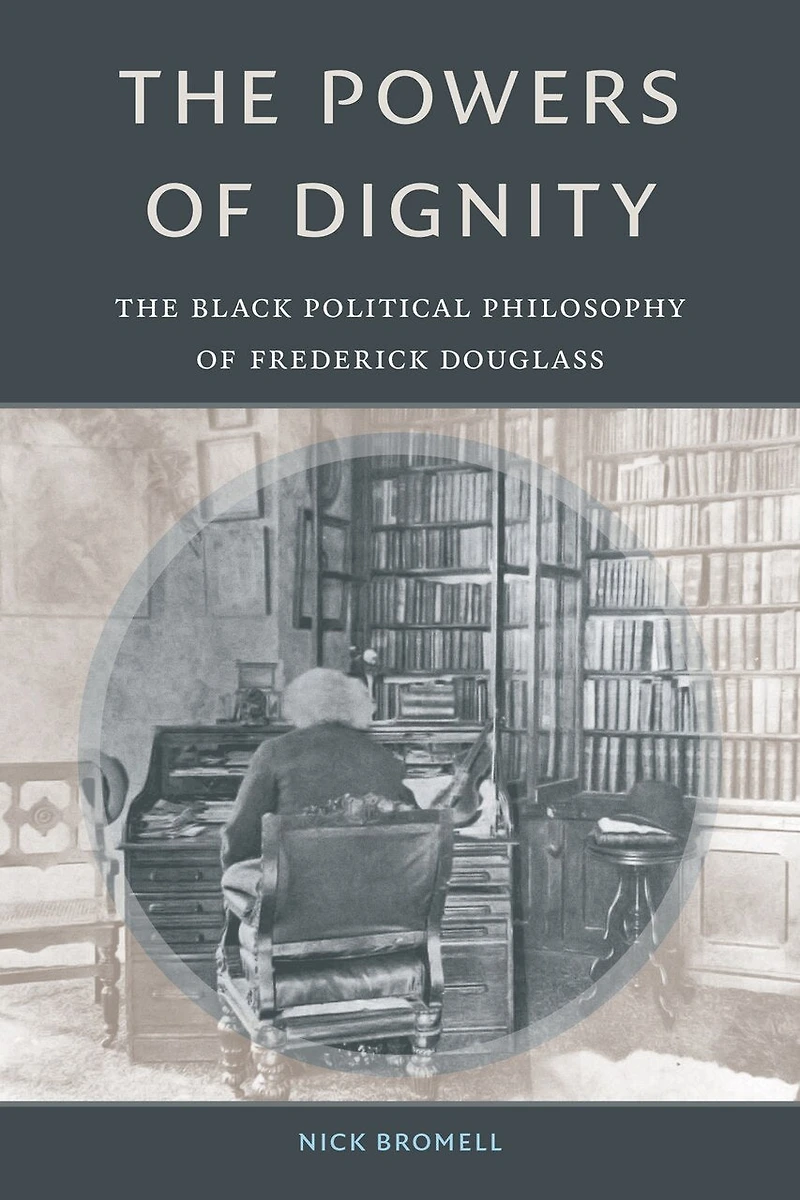
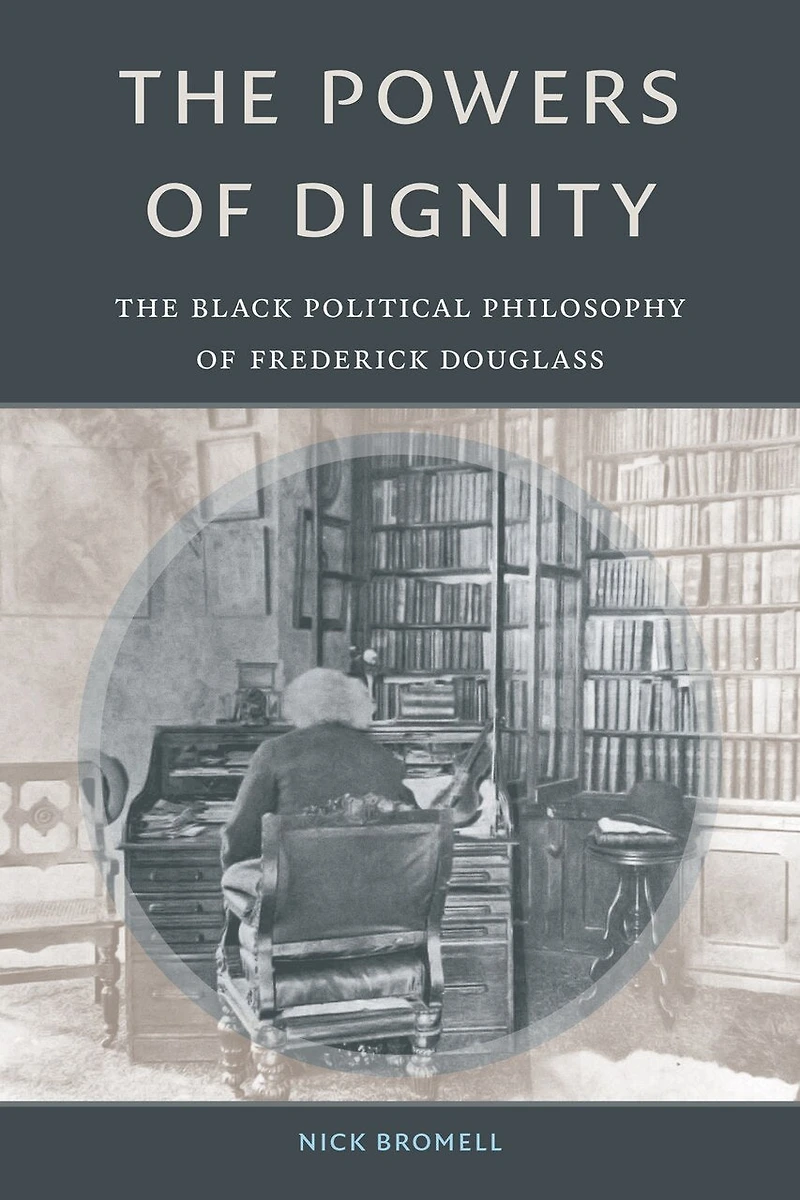
The Powers of Dignity: Black Political Philosophy Frederick Douglass
By None
Current price: $133.95
Coles
The Powers of Dignity: Black Political Philosophy Frederick Douglass
By None
Current price: $133.95
Loading Inventory...
Size: Hardcover
*Product information and pricing may vary - to confirm current pricing, availability, shipping, and return information please contact Coles. In the event of a pricing discrepancy, the retailer's price will apply.
In The Powers of Dignity Nick Bromell unpacks Frederick Douglass's 1867 claim that he had "elaborated a political philosophy" from his own "slave experience." Bromell shows that Douglass devised his philosophy because he found that antebellum Americans' liberal-republican understanding of democracy did not provide a sufficient principled basis on which to fight anti-Black racism. To remedy this deficiency, Douglass deployed insights from his distinctively Black experience and developed a Black philosophy of democracy. He began by contesting the founders' racist assumptions about humanity and advancing instead a more robust theory of "the human" as a collection of human "powers." He asserted further that the conscious exercise of those powers is what confirms human dignity and that human rights and democracy come into being as ways to affirm and protect that dignity. Thus, by emphasizing the powers and the dignity of all citizens, deriving democratic rights from these, and promoting a remarkably activist, power-oriented model of citizenship, Douglass's Black political philosophy aimed to rectify two major failings of US democracy in his time and ours: its complacence and its racism.
In The Powers of Dignity Nick Bromell unpacks Frederick Douglass's 1867 claim that he had "elaborated a political philosophy" from his own "slave experience." Bromell shows that Douglass devised his philosophy because he found that antebellum Americans' liberal-republican understanding of democracy did not provide a sufficient principled basis on which to fight anti-Black racism. To remedy this deficiency, Douglass deployed insights from his distinctively Black experience and developed a Black philosophy of democracy. He began by contesting the founders' racist assumptions about humanity and advancing instead a more robust theory of "the human" as a collection of human "powers." He asserted further that the conscious exercise of those powers is what confirms human dignity and that human rights and democracy come into being as ways to affirm and protect that dignity. Thus, by emphasizing the powers and the dignity of all citizens, deriving democratic rights from these, and promoting a remarkably activist, power-oriented model of citizenship, Douglass's Black political philosophy aimed to rectify two major failings of US democracy in his time and ours: its complacence and its racism.
You May Also Like










More About Coles at Prairie Mall
11801 100 St #104, Grande Prairie, AB T8V 3Y2, Canada
Find Coles at Prairie Mall in Grande Prairie, AB
Visit Coles at Prairie Mall in Grande Prairie, AB