


Gifting Made Simple
Give the Gift of ChoiceClick below to purchase a Prairie Mall eGift Card that can be used at participating retailers at Prairie Mall.Buy Gift CardHome
the Power of Mandala: Creating and Offering Universe
Coles
Loading Inventory...

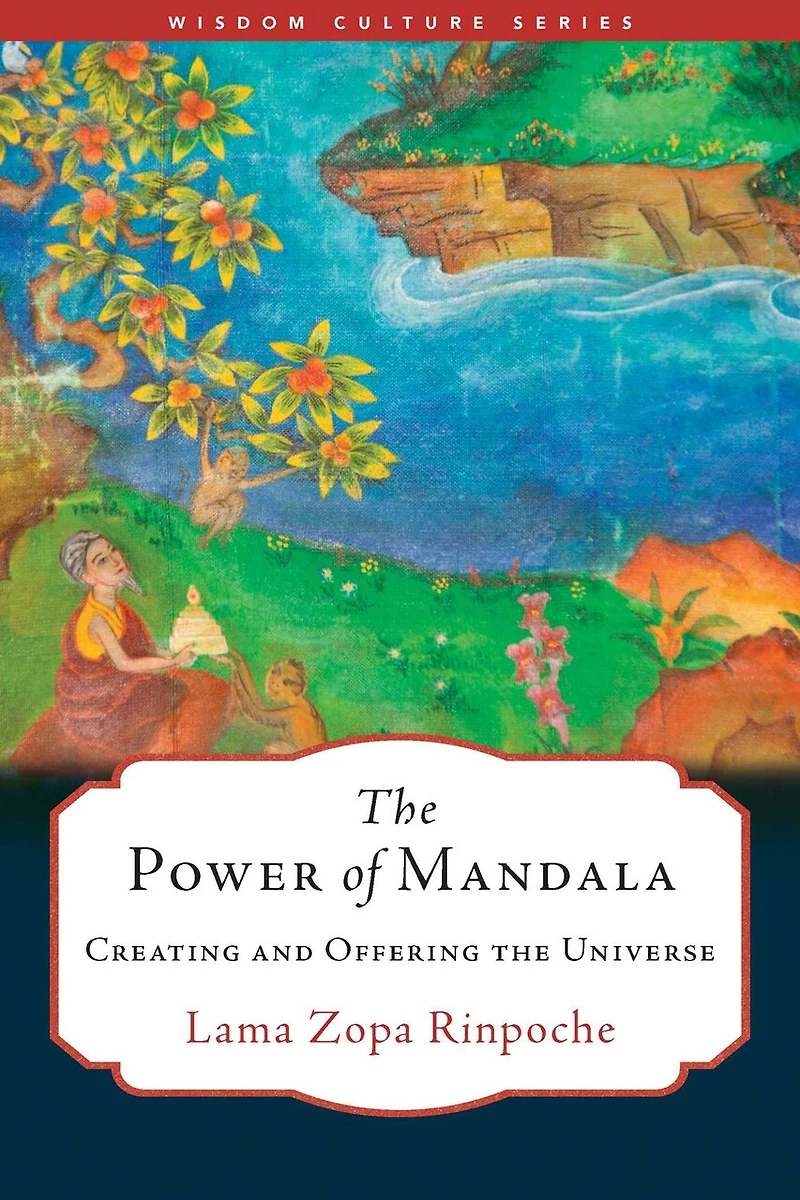
the Power of Mandala: Creating and Offering Universe in Grande Prairie, AB
Current price: $33.00
Coles
the Power of Mandala: Creating and Offering Universe in Grande Prairie, AB
Current price: $33.00
Loading Inventory...
Size: Kobo eBook
*Product information and pricing may vary - to confirm current pricing, availability, shipping, and return information please contact Coles. In the event of a pricing discrepancy, the retailer's price will apply.
Offering mandala is a powerful ritual that enables the practitioner to generate immeasurable merit. Here, beloved and respected teacher Lama Zopa Rinpoche shows what this practice means and how to incorporate it into our lives.
The ancient Buddhist King Ashoka in a previous life had nothing of value to offer to the Buddha, so he instead offered sand that he visualized as gold, showing that the merit of making offerings is generated by the visualization, not just the physical materials. In a similar way, one can visualize entire universes as mandalas that one can offer to generate great merit.
Lama Zopa details the mandala offering, describing it as an essential and powerful Buddhist practice for accumulating merit and purifying obstacles. The visualization of the universe is based on traditional Buddhist cosmology. This world system consists of Mount Meru at the center, surrounded by four main continents and eight subcontinents, the sun, and the moon, all enclosed by a ring of iron mountains. This entire cosmos, with its desire, form, and formless realms, is mentally transformed and offered. The practitioner transforms any ugly or undesirable places into beautiful, pure realms before offering this universe to the "merit field," the collection of holy beings from the guru to bodhisattvas to buddhas.
Lama Zopa goes on to describe the steps of performing these visualizations with the aid of a “mandala set,” with the practitioner placing heaps of rice on a base to symbolize the various components of the universe to be offered.
The text outlines the different types of mandala offerings—outer, inner, secret, and absolute—and provides detailed instructions for the "long mandala" or thirty-seven-heap offering, explaining the visualization for each heap, including the continents, precious objects, and goddesses. It also covers the shorter seven-heap mandala and a prayer for offering the objects of the three poisons (attachment, anger, and ignorance). Finally, Lama Zopa stresses the vital importance of dedicating the merit at the end of the practice and directing it toward the enlightenment of all beings.
Offering mandala is a powerful ritual that enables the practitioner to generate immeasurable merit. Here, beloved and respected teacher Lama Zopa Rinpoche shows what this practice means and how to incorporate it into our lives.
The ancient Buddhist King Ashoka in a previous life had nothing of value to offer to the Buddha, so he instead offered sand that he visualized as gold, showing that the merit of making offerings is generated by the visualization, not just the physical materials. In a similar way, one can visualize entire universes as mandalas that one can offer to generate great merit.
Lama Zopa details the mandala offering, describing it as an essential and powerful Buddhist practice for accumulating merit and purifying obstacles. The visualization of the universe is based on traditional Buddhist cosmology. This world system consists of Mount Meru at the center, surrounded by four main continents and eight subcontinents, the sun, and the moon, all enclosed by a ring of iron mountains. This entire cosmos, with its desire, form, and formless realms, is mentally transformed and offered. The practitioner transforms any ugly or undesirable places into beautiful, pure realms before offering this universe to the "merit field," the collection of holy beings from the guru to bodhisattvas to buddhas.
Lama Zopa goes on to describe the steps of performing these visualizations with the aid of a “mandala set,” with the practitioner placing heaps of rice on a base to symbolize the various components of the universe to be offered.
The text outlines the different types of mandala offerings—outer, inner, secret, and absolute—and provides detailed instructions for the "long mandala" or thirty-seven-heap offering, explaining the visualization for each heap, including the continents, precious objects, and goddesses. It also covers the shorter seven-heap mandala and a prayer for offering the objects of the three poisons (attachment, anger, and ignorance). Finally, Lama Zopa stresses the vital importance of dedicating the merit at the end of the practice and directing it toward the enlightenment of all beings.
You May Also Like










Find at Prairie Mall in Grande Prairie, AB
Visit at Prairie Mall in Grande Prairie, AB