


Gifting Made Simple
Give the Gift of ChoiceClick below to purchase a Prairie Mall eGift Card that can be used at participating retailers at Prairie Mall.Buy Gift CardHome
The Poverty of Work: Selling Servant, Slave and Temporary Labor on the Free Market
Coles
Loading Inventory...
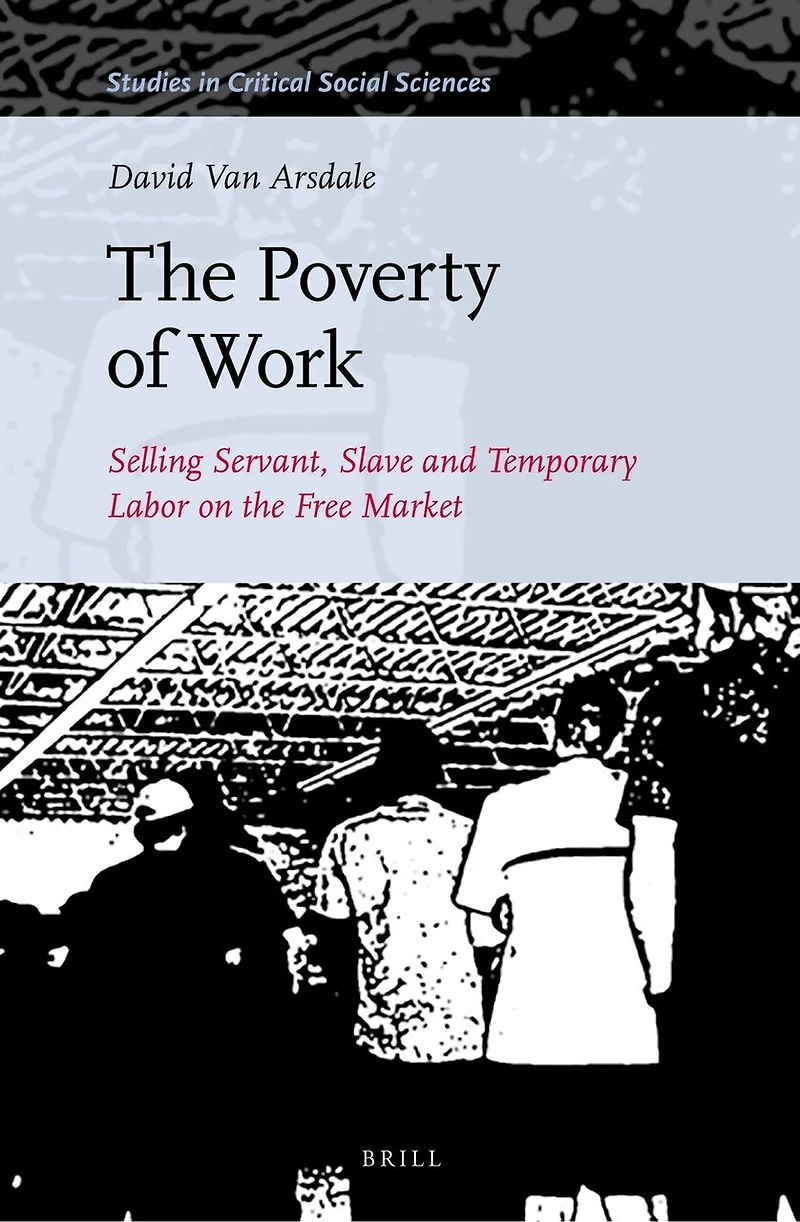
The Poverty of Work: Selling Servant, Slave and Temporary Labor on the Free Market
By None
Current price: $215.99
Coles
The Poverty of Work: Selling Servant, Slave and Temporary Labor on the Free Market
By None
Current price: $215.99
Loading Inventory...
Size: Hardcover
*Product information and pricing may vary - to confirm current pricing, availability, shipping, and return information please contact Coles. In the event of a pricing discrepancy, the retailer's price will apply.
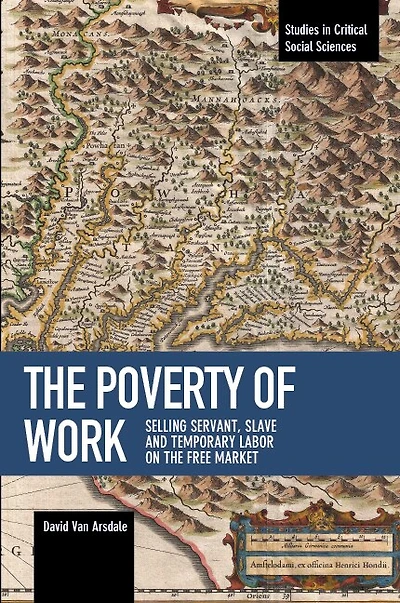
In The Poverty of Work, Van Arsdale goes inside the world of temping and discovers a type of work dreadfully insecure yet growing rapidly. Furthermore, through a comprehensive historiography, he illustrates how employment agencies moved from England to North America during the colonial period, where they sold workers into many deprived employment statuses, including indentured servitude and slavery. Van Arsdale contends that had the history of employment agencies been better understood, they would have likely been abolished with slavery, or at the very least, more tightly controlled by government. Today, left largely unregulated, employment agencies are powerful corporations generating astonishing revenue by selling flexible, on-demand temporary workers. Unfortunately, this labor is trapping millions in a cycle of unemployment, despair, and poverty.
In The Poverty of Work, Van Arsdale goes inside the world of temping and discovers a type of work dreadfully insecure yet growing rapidly. Furthermore, through a comprehensive historiography, he illustrates how employment agencies moved from England to North America during the colonial period, where they sold workers into many deprived employment statuses, including indentured servitude and slavery. Van Arsdale contends that had the history of employment agencies been better understood, they would have likely been abolished with slavery, or at the very least, more tightly controlled by government. Today, left largely unregulated, employment agencies are powerful corporations generating astonishing revenue by selling flexible, on-demand temporary workers. Unfortunately, this labor is trapping millions in a cycle of unemployment, despair, and poverty.
You May Also Like












More About Coles at Prairie Mall
11801 100 St #104, Grande Prairie, AB T8V 3Y2, Canada
Find Coles at Prairie Mall in Grande Prairie, AB
Visit Coles at Prairie Mall in Grande Prairie, AB