


Gifting Made Simple
Give the Gift of ChoiceClick below to purchase a Prairie Mall eGift Card that can be used at participating retailers at Prairie Mall.Buy Gift CardHome
the Portrait Fiction of Romantic Period
Coles
Loading Inventory...
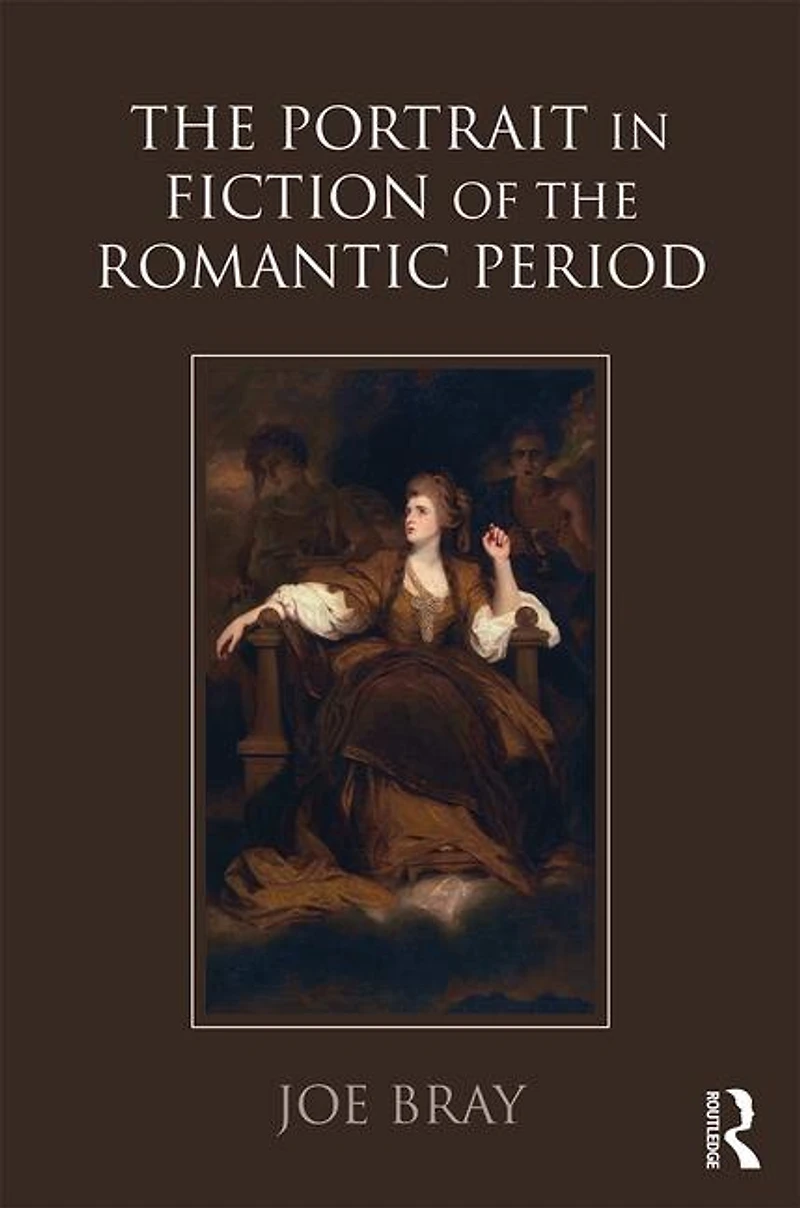
the Portrait Fiction of Romantic Period in Grande Prairie, AB
Current price: $333.50
Coles
the Portrait Fiction of Romantic Period in Grande Prairie, AB
Current price: $333.50
Loading Inventory...
Size: Hardcover
*Product information and pricing may vary - to confirm current pricing, availability, shipping, and return information please contact Coles. In the event of a pricing discrepancy, the retailer's price will apply.
Beginning with the premise that the portrait was undergoing a shift in both form and function during the Romantic age, Joe Bray examines how these changes are reflected in the fiction of writers such as Maria Edgeworth, Jane Austen, Sir Walter Scott, Elizabeth Hamilton and Amelia Opie. Bray considers portraiture in a broad sense as encompassing caricature and the miniature, as well as the classic portraits of Sir Joshua Reynolds and others. He argues that the portrait in fiction often functions not as a transparent index to character or as a means of producing a straightforward likeness, but rather as a cue for misreading and a sign of the slipperiness and subjectivity of interpretation. The book is concerned with more than simply the appearance of portraits in Romantic fiction, however. More broadly, The Portrait in Fiction of the Romantic Period investigates how the language of portraiture pervades the novel in this period and how the two art forms exert mutual stylistic influence on each other.
Beginning with the premise that the portrait was undergoing a shift in both form and function during the Romantic age, Joe Bray examines how these changes are reflected in the fiction of writers such as Maria Edgeworth, Jane Austen, Sir Walter Scott, Elizabeth Hamilton and Amelia Opie. Bray considers portraiture in a broad sense as encompassing caricature and the miniature, as well as the classic portraits of Sir Joshua Reynolds and others. He argues that the portrait in fiction often functions not as a transparent index to character or as a means of producing a straightforward likeness, but rather as a cue for misreading and a sign of the slipperiness and subjectivity of interpretation. The book is concerned with more than simply the appearance of portraits in Romantic fiction, however. More broadly, The Portrait in Fiction of the Romantic Period investigates how the language of portraiture pervades the novel in this period and how the two art forms exert mutual stylistic influence on each other.
You May Also Like








Find at Prairie Mall in Grande Prairie, AB
Visit at Prairie Mall in Grande Prairie, AB