


Gifting Made Simple
Give the Gift of ChoiceClick below to purchase a Prairie Mall eGift Card that can be used at participating retailers at Prairie Mall.Buy Gift CardHome
The Politics of Soft Hindutva: How Culture Matters Indian
Coles
Loading Inventory...
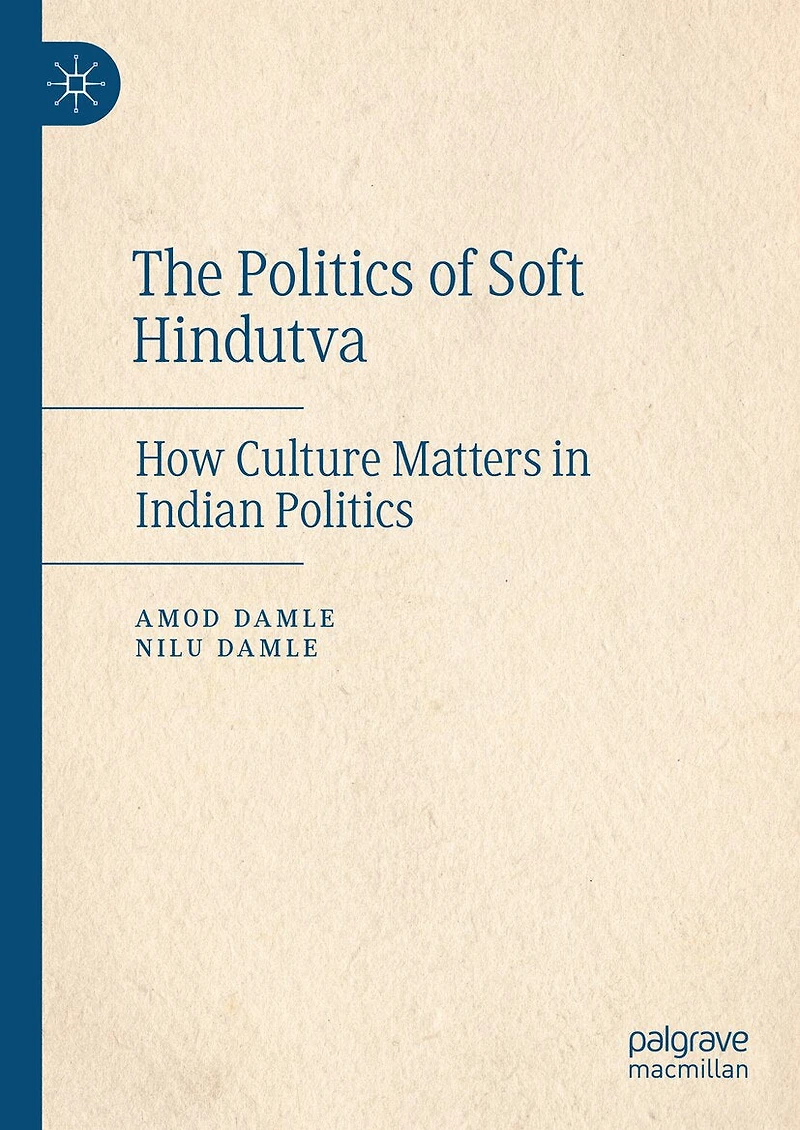
The Politics of Soft Hindutva: How Culture Matters Indian
By None
Current price: $204.50
Coles
The Politics of Soft Hindutva: How Culture Matters Indian
By None
Current price: $204.50
Loading Inventory...
Size: Hardcover
*Product information and pricing may vary - to confirm current pricing, availability, shipping, and return information please contact Coles. In the event of a pricing discrepancy, the retailer's price will apply.
This book examines the rise of two contrasting variants of Hindu nationalism-the Bharatiya Janata Party's (BJP) divisive cultural nationalism and the softer, less threatening variant of Hindutva espoused by the Aam Aadmi Party (AAP) and Trinamool Congress (TMC). Historically, the overlaps between Hinduism and Islam bolstered the narrative that the Muslims were culturally inferior to the Hindus and that Hinduism was India's unifying tradition. As a result, for many Hindus, emphasizing the distinctiveness of a minority group, especially the Muslims, represents a threat to Hindu superiority and India's cultural integrity. With the rise of the BJP, AAP, and TMC, we witness a tussle between two strains of Hindu nativism. The BJP attempts to attract the Hindu vote by heightening the differences between Hindus and Muslims and portraying itself as the restorer of national integrity. The AAP and TMC revive a much older form of cultural nativism by downplaying the separateness of the Muslims, indicating that India is already a Hindu nation and that there is no need to persecute religious minorities. Comparing the two variants of cultural nationalism provides valuable insights into how culture matters in Indian politics.
This book examines the rise of two contrasting variants of Hindu nationalism-the Bharatiya Janata Party's (BJP) divisive cultural nationalism and the softer, less threatening variant of Hindutva espoused by the Aam Aadmi Party (AAP) and Trinamool Congress (TMC). Historically, the overlaps between Hinduism and Islam bolstered the narrative that the Muslims were culturally inferior to the Hindus and that Hinduism was India's unifying tradition. As a result, for many Hindus, emphasizing the distinctiveness of a minority group, especially the Muslims, represents a threat to Hindu superiority and India's cultural integrity. With the rise of the BJP, AAP, and TMC, we witness a tussle between two strains of Hindu nativism. The BJP attempts to attract the Hindu vote by heightening the differences between Hindus and Muslims and portraying itself as the restorer of national integrity. The AAP and TMC revive a much older form of cultural nativism by downplaying the separateness of the Muslims, indicating that India is already a Hindu nation and that there is no need to persecute religious minorities. Comparing the two variants of cultural nationalism provides valuable insights into how culture matters in Indian politics.
You May Also Like













More About Coles at Prairie Mall
11801 100 St #104, Grande Prairie, AB T8V 3Y2, Canada
Find Coles at Prairie Mall in Grande Prairie, AB
Visit Coles at Prairie Mall in Grande Prairie, AB