


Gifting Made Simple
Give the Gift of ChoiceClick below to purchase a Prairie Mall eGift Card that can be used at participating retailers at Prairie Mall.Buy Gift CardHome
the Political Psychology of Attitudes towards West: An Empirical Analysis from Tamil Nadu
Coles
Loading Inventory...
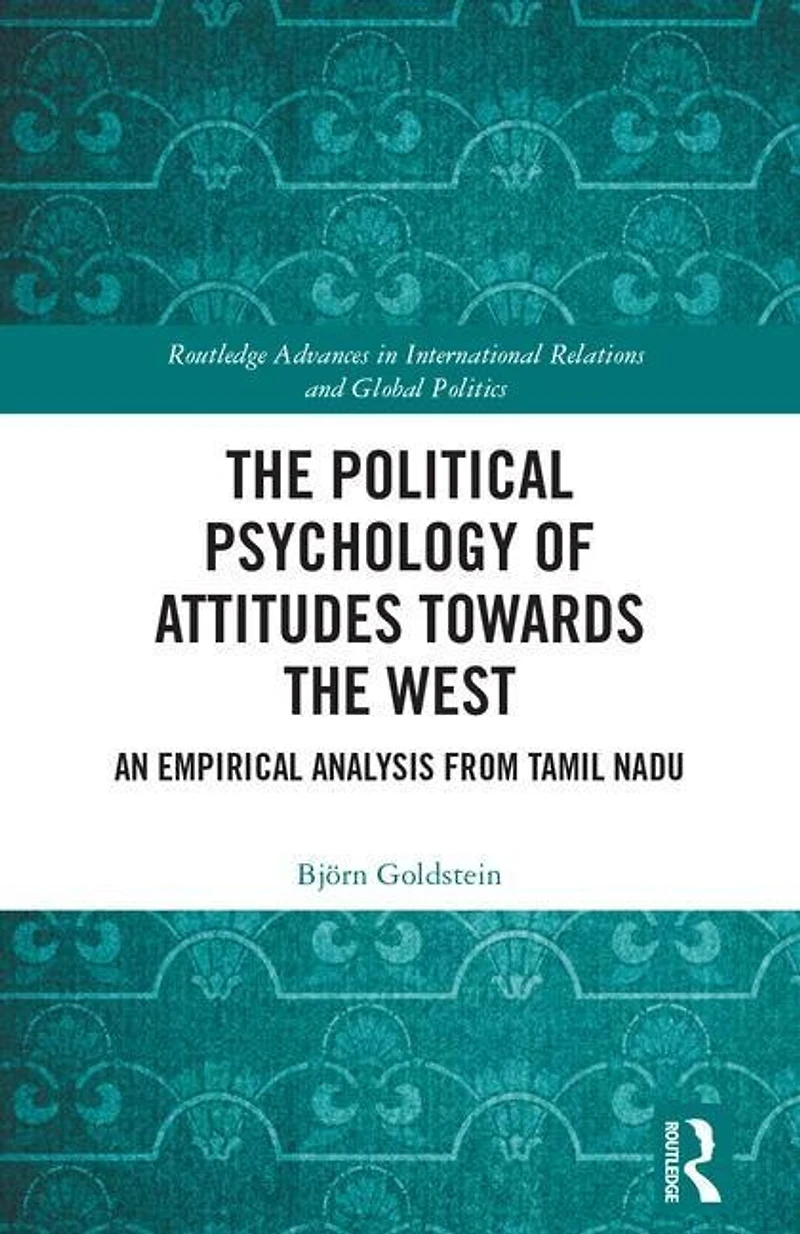
the Political Psychology of Attitudes towards West: An Empirical Analysis from Tamil Nadu in Grande Prairie, AB
Current price: $333.50
Coles
the Political Psychology of Attitudes towards West: An Empirical Analysis from Tamil Nadu in Grande Prairie, AB
Current price: $333.50
Loading Inventory...
Size: Hardcover
*Product information and pricing may vary - to confirm current pricing, availability, shipping, and return information please contact Coles. In the event of a pricing discrepancy, the retailer's price will apply.
Why do some individuals from the imagined "non-West" view the "West" favorably and others do not? Grounded in psychological authoritarianism and the psychological reactions to experiences of rejection, Björn Goldstein provides a theoretical model to explain and predict attitude toward the "West." Using accounts from high-ranking politicians from different socioeconomic groups in the Tamil Nadu region of India-a region independent from the often too "emotionalized" discourse regarding (political) Islam-Goldstein challenges the conventional narrative that the most important factors for attitude formation toward the West are experiences of disregard and oppression perpetrated by the West. ã Far beyond the personal characteristics of individuals, differences in attitudes follow a regular pattern of variables influencing opinion and attitude formation toward the West in each society. Scoring high on authoritarianism predicts "anti-Western" attitudes far better than socio-economic status, cultural or moral concerns, or normative differences do.
Why do some individuals from the imagined "non-West" view the "West" favorably and others do not? Grounded in psychological authoritarianism and the psychological reactions to experiences of rejection, Björn Goldstein provides a theoretical model to explain and predict attitude toward the "West." Using accounts from high-ranking politicians from different socioeconomic groups in the Tamil Nadu region of India-a region independent from the often too "emotionalized" discourse regarding (political) Islam-Goldstein challenges the conventional narrative that the most important factors for attitude formation toward the West are experiences of disregard and oppression perpetrated by the West. ã Far beyond the personal characteristics of individuals, differences in attitudes follow a regular pattern of variables influencing opinion and attitude formation toward the West in each society. Scoring high on authoritarianism predicts "anti-Western" attitudes far better than socio-economic status, cultural or moral concerns, or normative differences do.
You May Also Like

















Find at Prairie Mall in Grande Prairie, AB
Visit at Prairie Mall in Grande Prairie, AB