


Gifting Made Simple
Give the Gift of ChoiceClick below to purchase a Prairie Mall eGift Card that can be used at participating retailers at Prairie Mall.Buy Gift CardHome
The Political Economy Of Turkey
Coles
Loading Inventory...
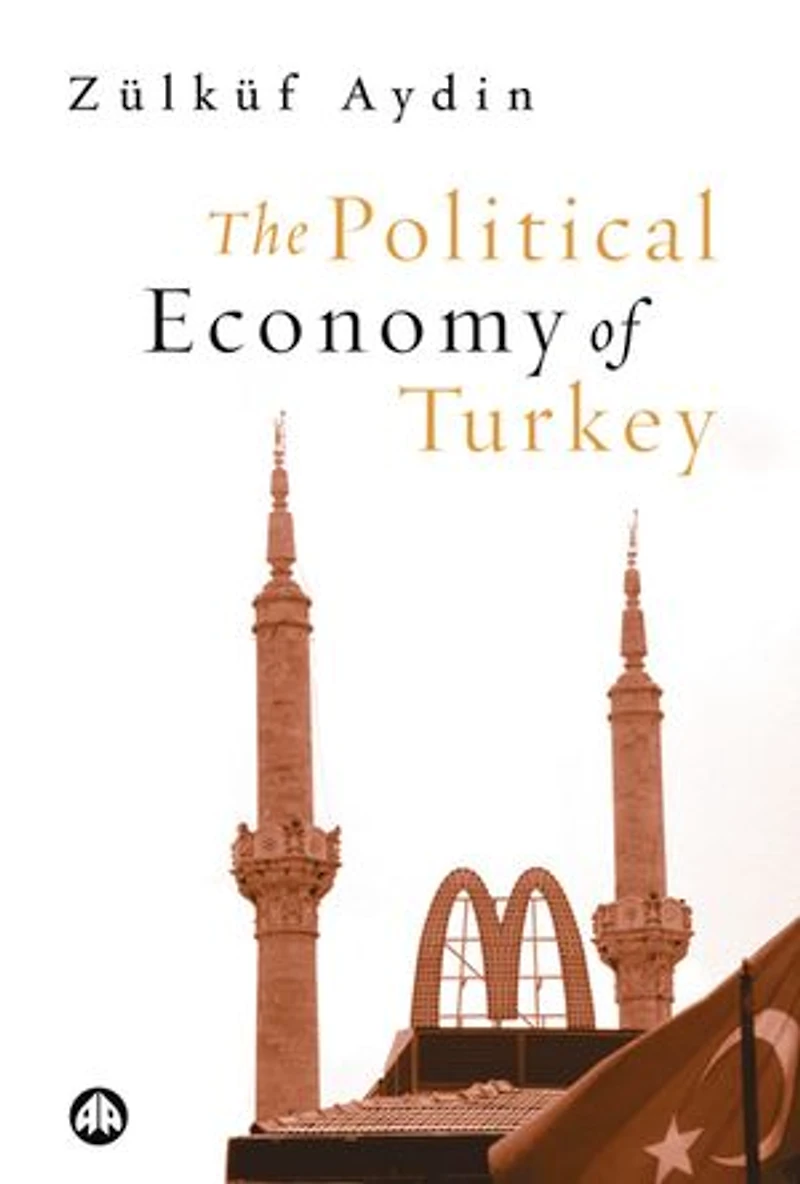
The Political Economy Of Turkey in Grande Prairie, AB
Current price: $35.89
Original price: $44.79
Coles
The Political Economy Of Turkey in Grande Prairie, AB
Current price: $35.89
Original price: $44.79
Loading Inventory...
Size: Kobo eBook
*Product information and pricing may vary - to confirm current pricing, availability, shipping, and return information please contact Coles. In the event of a pricing discrepancy, the retailer's price will apply.
This book analyses the political and socio-economic problems faced by Turkey in recent decades and the country's gradual integration into the global economy. Since the 1970s, Turkey has faced some of the most serious crises since the Republic was established in 1923. Social unrest, political and ethnic violence, paralysis of the state bureaucracy and other institutions, increasing foreign debt, decreasing economic growth, vast inflation and increasing unemployment have all been part of everyday life in Turkey's recent history. The author argues that this state of affairs is symptomatic of a deeper, more enduring crisis arising from the way in which Turkey has been integrated into the global economy. He shows how, like many other developing countries, Turkey has become reliant on foreign investment and international financial institutions, and he offers a broader critique of globalisation in this light. Topics covered include democracy, repression, the military, the Kurdish question and regional inequalities, civil society, human rights and Islamic fundamentalism.
This book analyses the political and socio-economic problems faced by Turkey in recent decades and the country's gradual integration into the global economy. Since the 1970s, Turkey has faced some of the most serious crises since the Republic was established in 1923. Social unrest, political and ethnic violence, paralysis of the state bureaucracy and other institutions, increasing foreign debt, decreasing economic growth, vast inflation and increasing unemployment have all been part of everyday life in Turkey's recent history. The author argues that this state of affairs is symptomatic of a deeper, more enduring crisis arising from the way in which Turkey has been integrated into the global economy. He shows how, like many other developing countries, Turkey has become reliant on foreign investment and international financial institutions, and he offers a broader critique of globalisation in this light. Topics covered include democracy, repression, the military, the Kurdish question and regional inequalities, civil society, human rights and Islamic fundamentalism.
You May Also Like










Find at Prairie Mall in Grande Prairie, AB
Visit at Prairie Mall in Grande Prairie, AB