


Gifting Made Simple
Give the Gift of ChoiceClick below to purchase a Prairie Mall eGift Card that can be used at participating retailers at Prairie Mall.Buy Gift CardHome
The Political Economy of Egyptian Media: Business and Military Elite Power Communication after 2011
Coles
Loading Inventory...
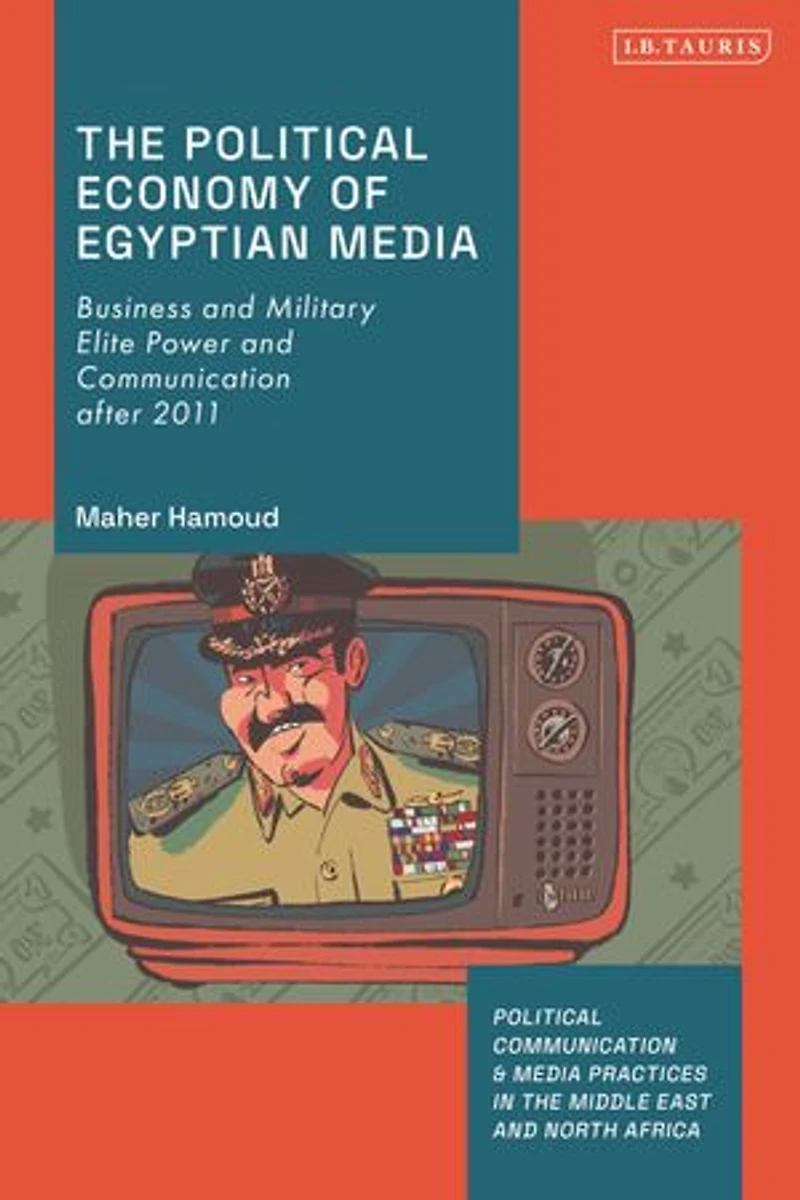
The Political Economy of Egyptian Media: Business and Military Elite Power Communication after 2011 in Grande Prairie, AB
Current price: $42.99
Original price: $52.65
Coles
The Political Economy of Egyptian Media: Business and Military Elite Power Communication after 2011 in Grande Prairie, AB
Current price: $42.99
Original price: $52.65
Loading Inventory...
Size: Kobo eBook
*Product information and pricing may vary - to confirm current pricing, availability, shipping, and return information please contact Coles. In the event of a pricing discrepancy, the retailer's price will apply.
This book critically analyses the hegemony of Egypt's business and military elites and the private media they own or control. Arguing that this hegemony requires the exercise of power to maintain consent under changing conditions such as the 2011 uprising and the 2013 military coup, the book answers the central question of why and how Egypt's ruling elites control the media. Situated within the interdisciplinary domain of 'critical political economy' (CPE), the book focuses on popular privately-owned newspapers and TV channels and their ownership using a qualitative approach involving fifteen interviews conducted over seven years with key actors and experts in the Egyptian media landscape for unprecedented insight. As the first book on the political economy of Egyptian media, The Political Economy of Egyptian Media serves as a case study and a country profile and will be of appeal to scholars and experts of Middle Eastern studies, political sciences, media and the political economy of communication, among others.
This book critically analyses the hegemony of Egypt's business and military elites and the private media they own or control. Arguing that this hegemony requires the exercise of power to maintain consent under changing conditions such as the 2011 uprising and the 2013 military coup, the book answers the central question of why and how Egypt's ruling elites control the media. Situated within the interdisciplinary domain of 'critical political economy' (CPE), the book focuses on popular privately-owned newspapers and TV channels and their ownership using a qualitative approach involving fifteen interviews conducted over seven years with key actors and experts in the Egyptian media landscape for unprecedented insight. As the first book on the political economy of Egyptian media, The Political Economy of Egyptian Media serves as a case study and a country profile and will be of appeal to scholars and experts of Middle Eastern studies, political sciences, media and the political economy of communication, among others.
You May Also Like









Find at Prairie Mall in Grande Prairie, AB
Visit at Prairie Mall in Grande Prairie, AB