


Gifting Made Simple
Give the Gift of ChoiceClick below to purchase a Prairie Mall eGift Card that can be used at participating retailers at Prairie Mall.Buy Gift CardHome
The Political Dynamics of Partisan Polarization
Coles
Loading Inventory...
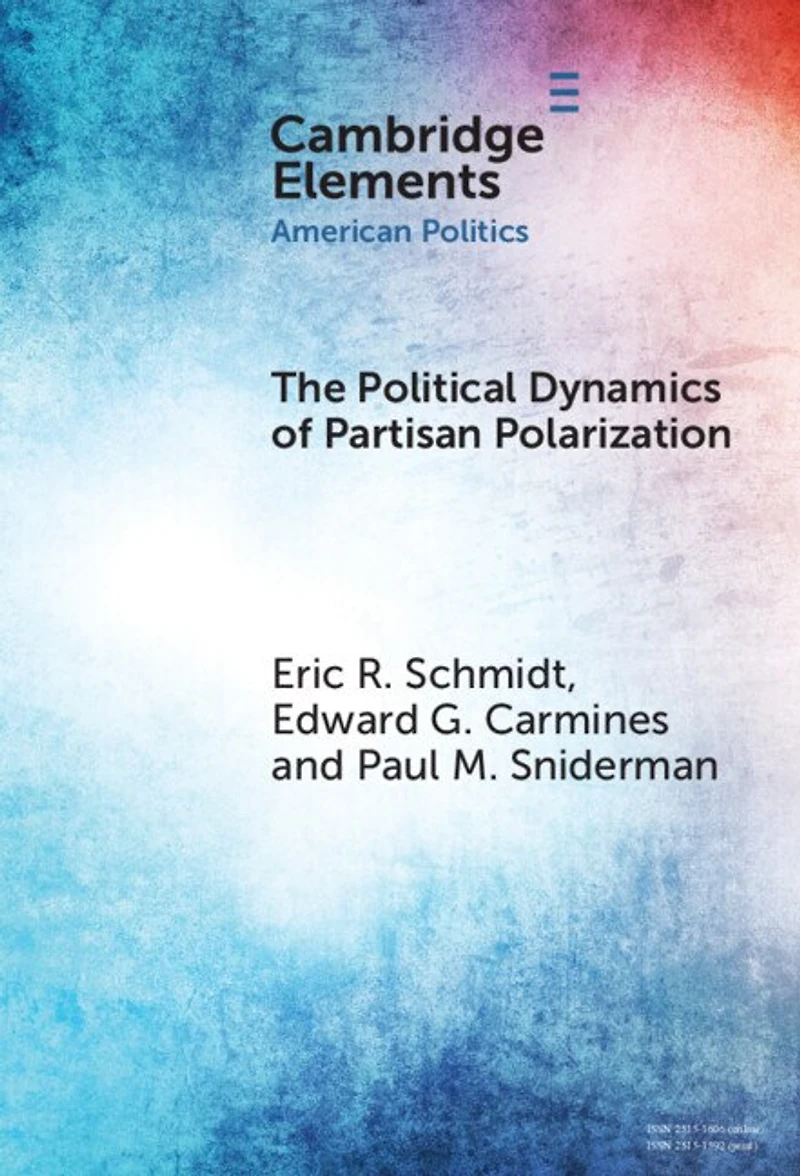
The Political Dynamics of Partisan Polarization in Grande Prairie, AB
Current price: $94.73
Coles
The Political Dynamics of Partisan Polarization in Grande Prairie, AB
Current price: $94.73
Loading Inventory...
Size: Hardcover
*Product information and pricing may vary - to confirm current pricing, availability, shipping, and return information please contact Coles. In the event of a pricing discrepancy, the retailer's price will apply.
This is a study of the dynamics of partisan polarization in the United States. It has three objectives: (1) to identify and explain why some Republicans and Democrats – but not others – have polarized, particularly over the last twenty years; (2) to demonstrate that they have done so not on this or that issue but systematically, programmatically – domain versus issue sorting; and (3) to bring into the open profound asymmetries in polarization between the two parties, not least that Republicans polarized early and thoroughly on issues of race, while Democrats in the largest number stayed neutral or even conservative until only recently. Emerging from the reasoning and results is a revised theory of party identification that specifies the conditions under which ordinary Republicans and Democrats can become ideological partisans – real-life conservatives and liberals in their behavior – in the choices they make on candidates, policies, and parties.
This is a study of the dynamics of partisan polarization in the United States. It has three objectives: (1) to identify and explain why some Republicans and Democrats – but not others – have polarized, particularly over the last twenty years; (2) to demonstrate that they have done so not on this or that issue but systematically, programmatically – domain versus issue sorting; and (3) to bring into the open profound asymmetries in polarization between the two parties, not least that Republicans polarized early and thoroughly on issues of race, while Democrats in the largest number stayed neutral or even conservative until only recently. Emerging from the reasoning and results is a revised theory of party identification that specifies the conditions under which ordinary Republicans and Democrats can become ideological partisans – real-life conservatives and liberals in their behavior – in the choices they make on candidates, policies, and parties.
You May Also Like









Find at Prairie Mall in Grande Prairie, AB
Visit at Prairie Mall in Grande Prairie, AB