


Gifting Made Simple
Give the Gift of ChoiceClick below to purchase a Prairie Mall eGift Card that can be used at participating retailers at Prairie Mall.Buy Gift CardHome
The Philosophy of Tragedy: From Plato to Žižek
Coles
Loading Inventory...
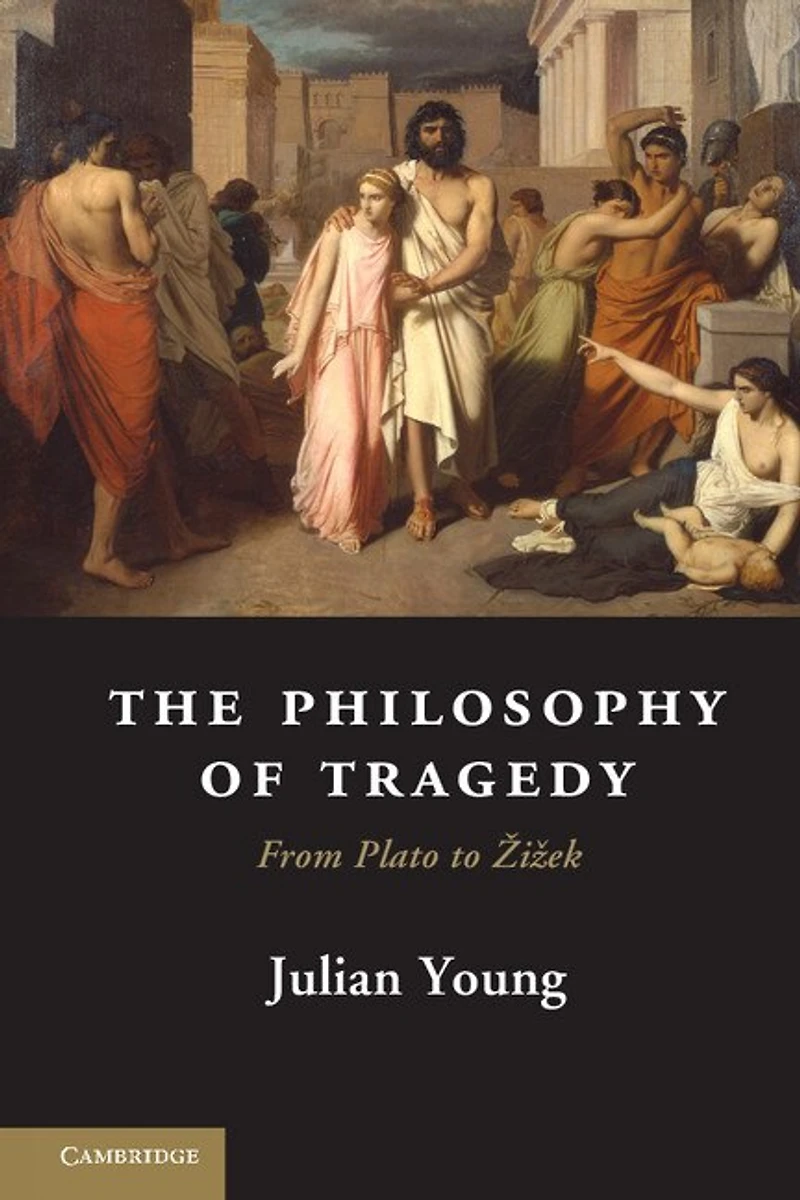
The Philosophy of Tragedy: From Plato to Žižek in Grande Prairie, AB
Current price: $115.95
Coles
The Philosophy of Tragedy: From Plato to Žižek in Grande Prairie, AB
Current price: $115.95
Loading Inventory...
Size: Hardcover
*Product information and pricing may vary - to confirm current pricing, availability, shipping, and return information please contact Coles. In the event of a pricing discrepancy, the retailer's price will apply.
This book is an exhaustive survey of the philosophy of tragedy from antiquity to the present. From Aristotle to Žižek the focal question has been: why, in spite of its distressing content, do we value tragic drama? What is the nature of the “tragic effect”? Some philosophers point to a certain kind of pleasure that results from tragedy. Others, while not excluding pleasure, emphasize the knowledge we gain from tragedy – of psychology, ethics, freedom, or immortality. Through a critical engagement with these and other philosophers, the book concludes by suggesting an answer to the question of what it is that constitutes tragedy “in its highest vocation.” This book will be of equal interest to students of philosophy and of literature.
This book is an exhaustive survey of the philosophy of tragedy from antiquity to the present. From Aristotle to Žižek the focal question has been: why, in spite of its distressing content, do we value tragic drama? What is the nature of the “tragic effect”? Some philosophers point to a certain kind of pleasure that results from tragedy. Others, while not excluding pleasure, emphasize the knowledge we gain from tragedy – of psychology, ethics, freedom, or immortality. Through a critical engagement with these and other philosophers, the book concludes by suggesting an answer to the question of what it is that constitutes tragedy “in its highest vocation.” This book will be of equal interest to students of philosophy and of literature.
You May Also Like








Find at Prairie Mall in Grande Prairie, AB
Visit at Prairie Mall in Grande Prairie, AB