


Gifting Made Simple
Give the Gift of ChoiceClick below to purchase a Prairie Mall eGift Card that can be used at participating retailers at Prairie Mall.Buy Gift CardHome
The Peace Corps in South America: Volunteers and the Global War on Poverty in the 1960s
Coles
Loading Inventory...
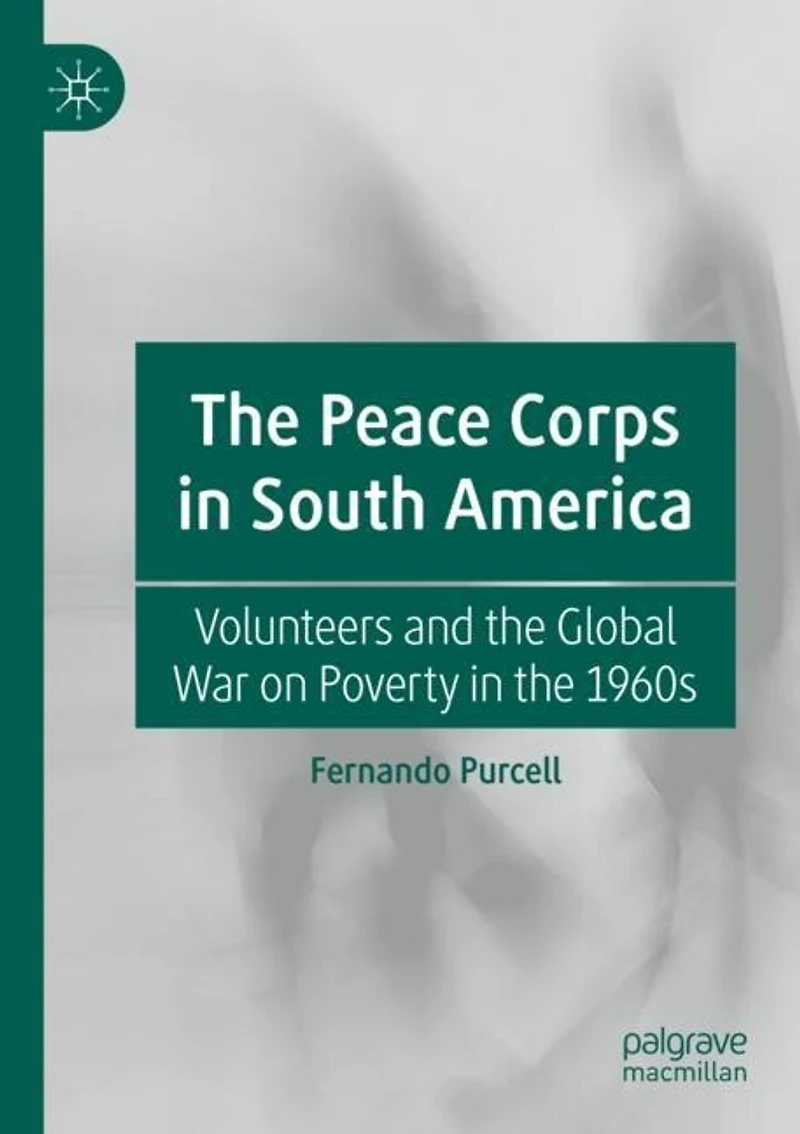
The Peace Corps in South America: Volunteers and the Global War on Poverty in the 1960s in Grande Prairie, AB
Current price: $80.50
Coles
The Peace Corps in South America: Volunteers and the Global War on Poverty in the 1960s in Grande Prairie, AB
Current price: $80.50
Loading Inventory...
Size: Paperback
*Product information and pricing may vary - to confirm current pricing, availability, shipping, and return information please contact Coles. In the event of a pricing discrepancy, the retailer's price will apply.
In the 1960s, twenty-thousand young Americans landed in South America to serve as Peace Corps volunteers. The program was hailed by President John F. Kennedy and by volunteers themselves as an exceptional initiative to end global poverty. In practice, it was another front for fighting the Cold War and promoting American interests in the Global South. This book examines how this ideological project played out on the ground as volunteers encountered a range of local actors and agencies engaged in anti-poverty efforts of their own. As they negotiated the complexities of community intervention, these volunteers faced conflicts and frustrations, struggled to adapt, and gradually transformed the Peace Corps of the 1960s into a truly global, decentralized institution. Drawing on letters, diaries, reports, and newsletters created by volunteers themselves, Fernando Purcell shows how their experiences offer an invaluable perspective on local manifestations of the global Cold War.
In the 1960s, twenty-thousand young Americans landed in South America to serve as Peace Corps volunteers. The program was hailed by President John F. Kennedy and by volunteers themselves as an exceptional initiative to end global poverty. In practice, it was another front for fighting the Cold War and promoting American interests in the Global South. This book examines how this ideological project played out on the ground as volunteers encountered a range of local actors and agencies engaged in anti-poverty efforts of their own. As they negotiated the complexities of community intervention, these volunteers faced conflicts and frustrations, struggled to adapt, and gradually transformed the Peace Corps of the 1960s into a truly global, decentralized institution. Drawing on letters, diaries, reports, and newsletters created by volunteers themselves, Fernando Purcell shows how their experiences offer an invaluable perspective on local manifestations of the global Cold War.
You May Also Like









Find at Prairie Mall in Grande Prairie, AB
Visit at Prairie Mall in Grande Prairie, AB