


Gifting Made Simple
Give the Gift of ChoiceClick below to purchase a Prairie Mall eGift Card that can be used at participating retailers at Prairie Mall.Buy Gift CardHome
The Othering Museum: A Case for Non-Selective Curation
Coles
Loading Inventory...
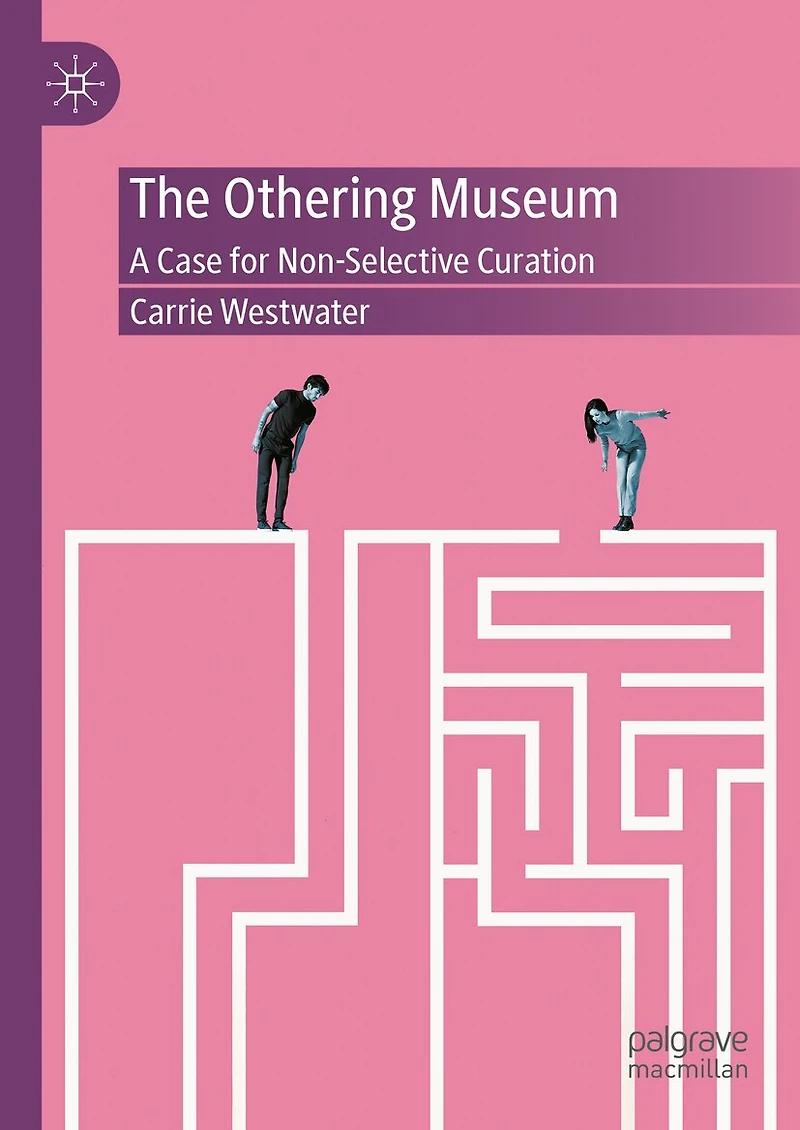
The Othering Museum: A Case for Non-Selective Curation in Grande Prairie, AB
Current price: $204.50
Coles
The Othering Museum: A Case for Non-Selective Curation in Grande Prairie, AB
Current price: $204.50
Loading Inventory...
Size: Hardcover
*Product information and pricing may vary - to confirm current pricing, availability, shipping, and return information please contact Coles. In the event of a pricing discrepancy, the retailer's price will apply.
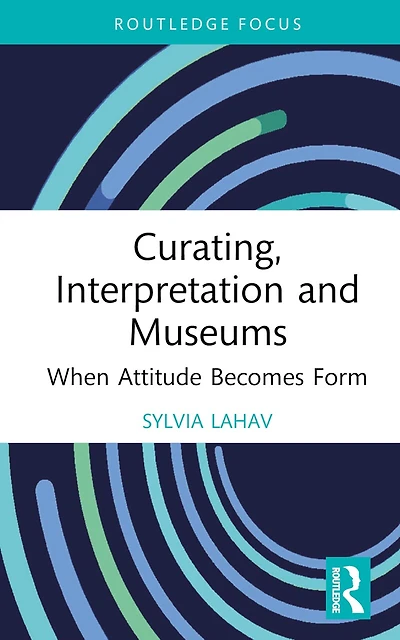
The term "othering" refers to a persistent Us and Them dynamic between museums and their participating public. To reframe this historically paternalistic subject-positioning, over the last decade or so many museums have made firm attempts to address this by attempting to move from being "providers" of engagements to facilitating access to cultural right by embedding co-curatorial techniques and participation. Through the analysis of three co-curated participatory case studies, this book examines how power performs in co-curatorial museum practice. It discusses how it is not just how the participatory process is enacted that is necessary to create this shift to a more socially just profile, but systemic pressures of vulnerability and responsibility found in the political economy of the museum and its participants. This book will chart how this dynamic performs in museums when working with different groups of people, such as volunteers, community participants, and professional artists, presented with differing levels of co-curatorial decision making. The book further investigates whether performances of power are relational to who the participants are, how the processes of participation are constructed, and where the participation takes place, what language is used when conducting these relationships and what the funded institutional responsibilities do to the co-curators (the community and museum staff) when traditional co-curation and co-curation in transition to non-selective curation is applied. Grounding this discussion is the development of this test method of non-selective curation which further illuminates some of these challenges and aims to successfully mitigate them through a radically open and inclusive approach to co-curation.
The term "othering" refers to a persistent Us and Them dynamic between museums and their participating public. To reframe this historically paternalistic subject-positioning, over the last decade or so many museums have made firm attempts to address this by attempting to move from being "providers" of engagements to facilitating access to cultural right by embedding co-curatorial techniques and participation. Through the analysis of three co-curated participatory case studies, this book examines how power performs in co-curatorial museum practice. It discusses how it is not just how the participatory process is enacted that is necessary to create this shift to a more socially just profile, but systemic pressures of vulnerability and responsibility found in the political economy of the museum and its participants. This book will chart how this dynamic performs in museums when working with different groups of people, such as volunteers, community participants, and professional artists, presented with differing levels of co-curatorial decision making. The book further investigates whether performances of power are relational to who the participants are, how the processes of participation are constructed, and where the participation takes place, what language is used when conducting these relationships and what the funded institutional responsibilities do to the co-curators (the community and museum staff) when traditional co-curation and co-curation in transition to non-selective curation is applied. Grounding this discussion is the development of this test method of non-selective curation which further illuminates some of these challenges and aims to successfully mitigate them through a radically open and inclusive approach to co-curation.
You May Also Like








Find at Prairie Mall in Grande Prairie, AB
Visit at Prairie Mall in Grande Prairie, AB