


Gifting Made Simple
Give the Gift of ChoiceClick below to purchase a Prairie Mall eGift Card that can be used at participating retailers at Prairie Mall.Buy Gift CardHome
the Origins and Development of Financial Markets Institutions: From Seventeenth Century to Present
Coles
Loading Inventory...
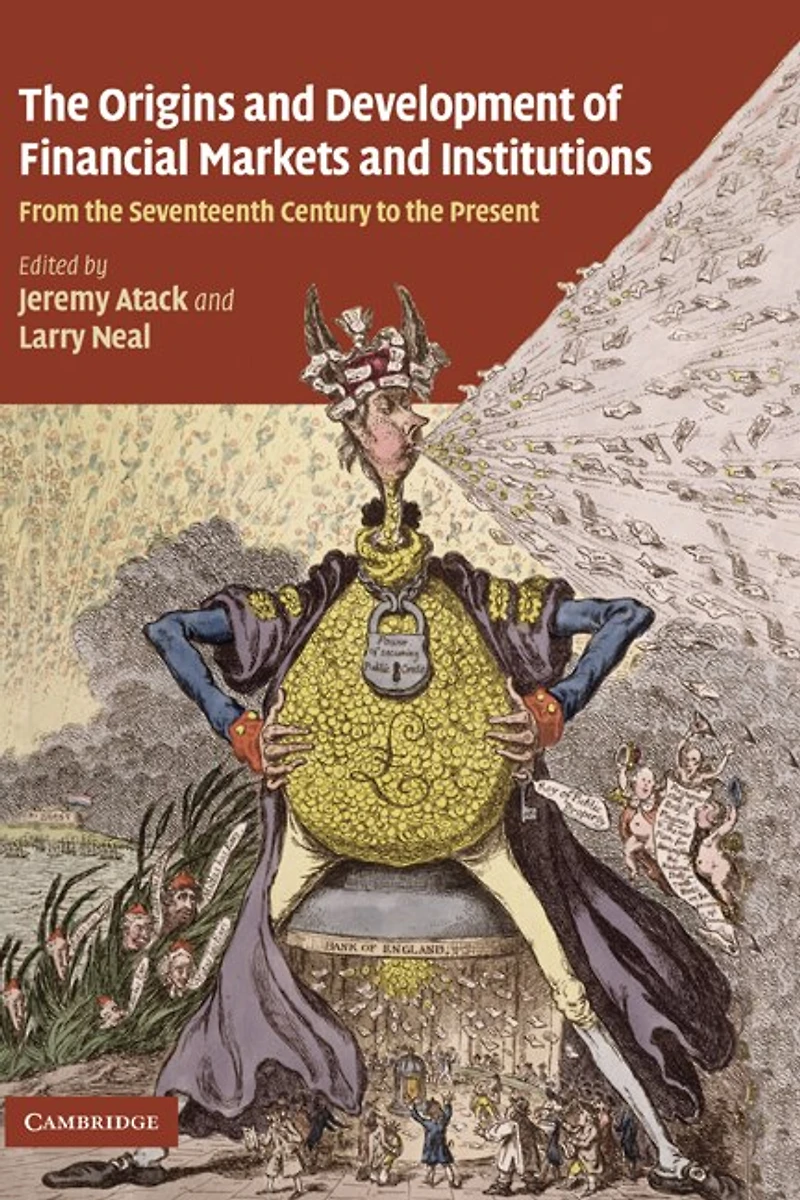
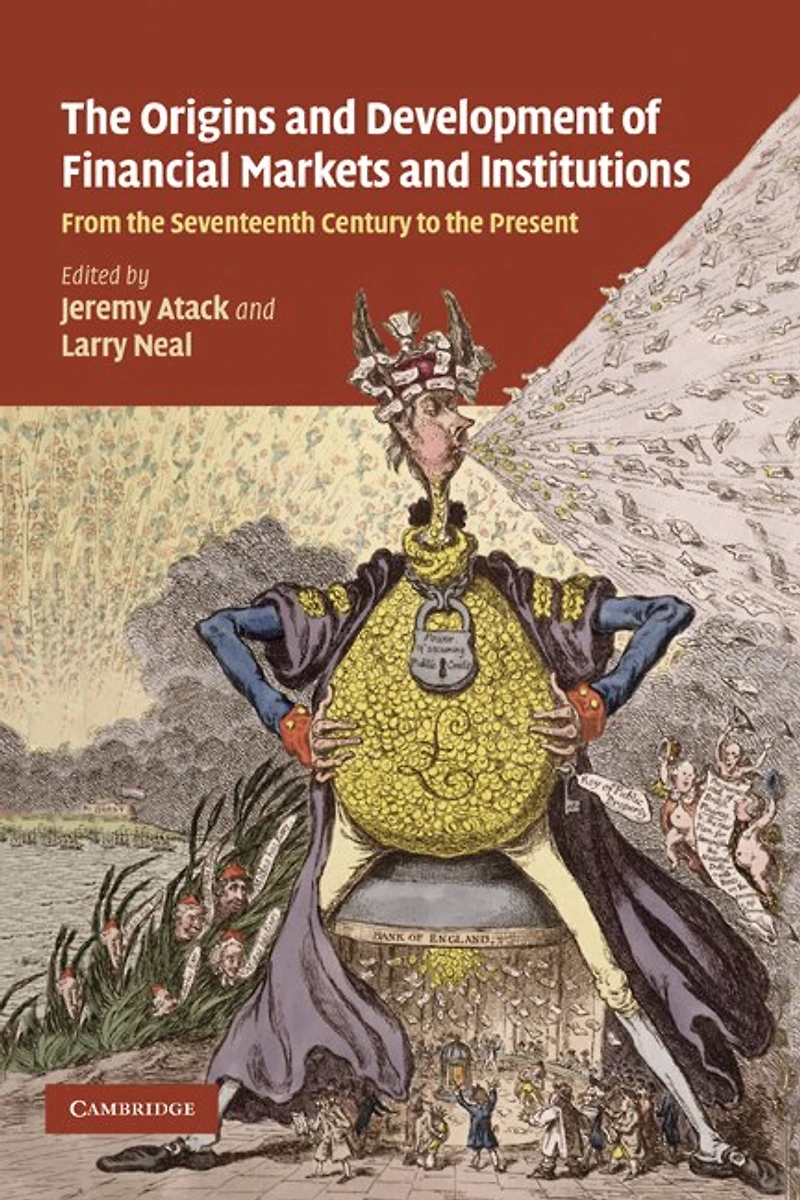
the Origins and Development of Financial Markets Institutions: From Seventeenth Century to Present in Grande Prairie, AB
Current price: $129.95
Coles
the Origins and Development of Financial Markets Institutions: From Seventeenth Century to Present in Grande Prairie, AB
Current price: $129.95
Loading Inventory...
Size: Hardcover
*Product information and pricing may vary - to confirm current pricing, availability, shipping, and return information please contact Coles. In the event of a pricing discrepancy, the retailer's price will apply.
Collectively, mankind has never had it so good despite periodic economic crises of which the current sub-prime crisis is merely the latest example. Much of this success is attributable to the increasing efficiency of the world's financial institutions as finance has proved to be one of the most important causal factors in economic performance. In a series of insightful essays, financial and economic historians examine how financial innovations from the seventeenth century to the present have continually challenged established institutional arrangements, forcing change and adaptation by governments, financial intermediaries, and financial markets. Where these have been successful, wealth creation and growth have followed. When they failed, growth slowed and sometimes economic decline has followed. These essays illustrate the difficulties of co-ordinating financial innovations in order to sustain their benefits for the wider economy, a theme that will be of interest to policy makers as well as economic historians.
Collectively, mankind has never had it so good despite periodic economic crises of which the current sub-prime crisis is merely the latest example. Much of this success is attributable to the increasing efficiency of the world's financial institutions as finance has proved to be one of the most important causal factors in economic performance. In a series of insightful essays, financial and economic historians examine how financial innovations from the seventeenth century to the present have continually challenged established institutional arrangements, forcing change and adaptation by governments, financial intermediaries, and financial markets. Where these have been successful, wealth creation and growth have followed. When they failed, growth slowed and sometimes economic decline has followed. These essays illustrate the difficulties of co-ordinating financial innovations in order to sustain their benefits for the wider economy, a theme that will be of interest to policy makers as well as economic historians.
















Find at Prairie Mall in Grande Prairie, AB
Visit at Prairie Mall in Grande Prairie, AB