


Gifting Made Simple
Give the Gift of ChoiceClick below to purchase a Prairie Mall eGift Card that can be used at participating retailers at Prairie Mall.Buy Gift CardHome
The Old Lady Trill, Victory Yell: Power of Women Native American Literature
Coles
Loading Inventory...
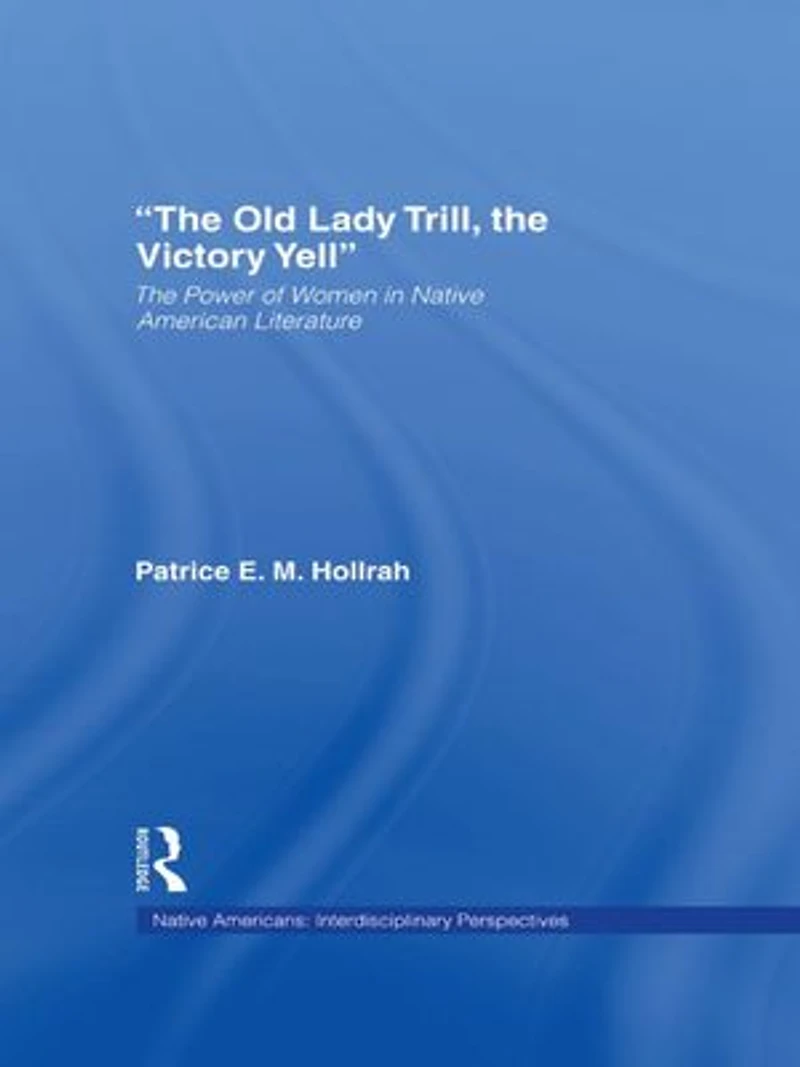
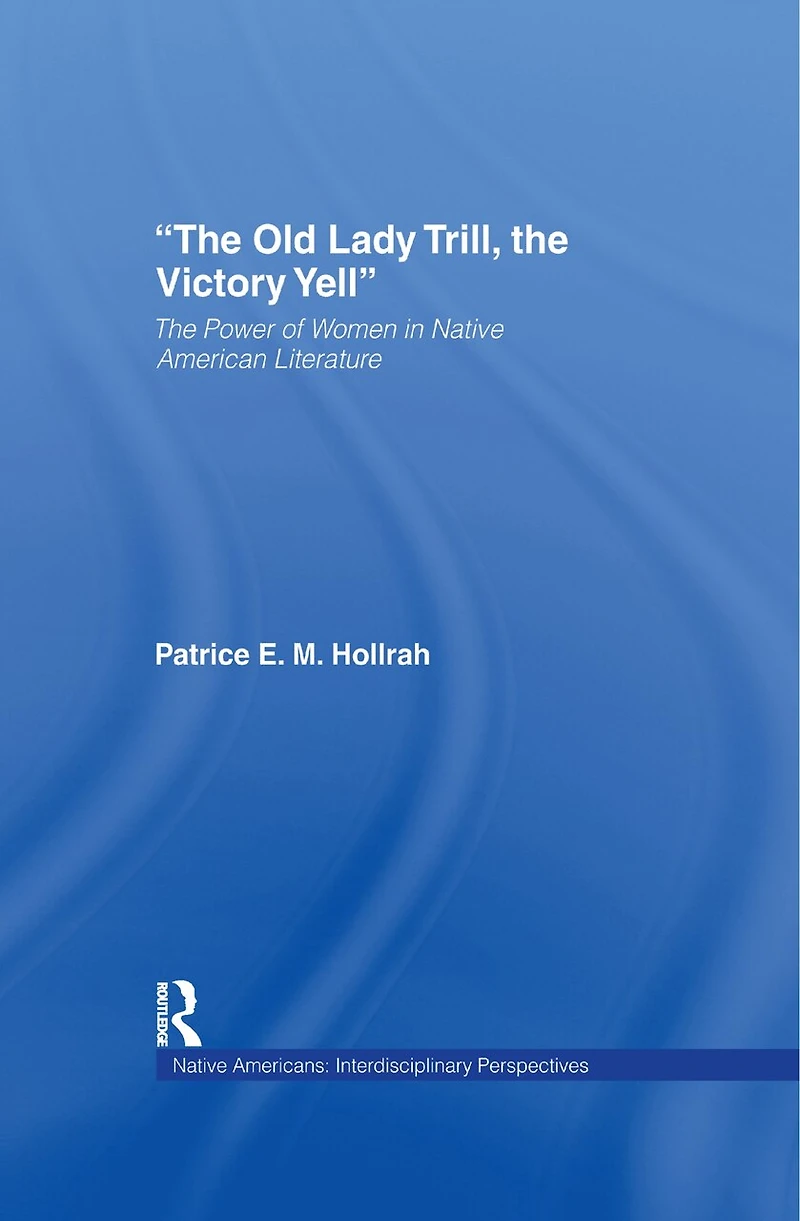
The Old Lady Trill, Victory Yell: Power of Women Native American Literature in Grande Prairie, AB
Current price: $46.13
Coles
The Old Lady Trill, Victory Yell: Power of Women Native American Literature in Grande Prairie, AB
Current price: $46.13
Loading Inventory...
Size: Kobo eBook
*Product information and pricing may vary - to confirm current pricing, availability, shipping, and return information please contact Coles. In the event of a pricing discrepancy, the retailer's price will apply.
From warrior women to female deities who control the cycle of life, female characters in Native American literature exhibit a social and spiritual empowerment that is quite different from the average Pocahontas we are used to seeing in mainstream literature. This work argues that a tribal construct of gender relations, where the relationship between male and female roles is complementary rather than hierarchical, accounts for the existence of these empowered female characters in Native American literature. Focusing on the work of four of the twentieth century's most famous Native American authors, Zitkala-Sa, Leslie Marmon Silko, Louise Erdrich and Sherman Alexie, Hollrah suggests that it is important to evaluate Native American literary female characters in a cultural paradigm that is less Euro-American and more compatible to the complementarity of Native American culture.
From warrior women to female deities who control the cycle of life, female characters in Native American literature exhibit a social and spiritual empowerment that is quite different from the average Pocahontas we are used to seeing in mainstream literature. This work argues that a tribal construct of gender relations, where the relationship between male and female roles is complementary rather than hierarchical, accounts for the existence of these empowered female characters in Native American literature. Focusing on the work of four of the twentieth century's most famous Native American authors, Zitkala-Sa, Leslie Marmon Silko, Louise Erdrich and Sherman Alexie, Hollrah suggests that it is important to evaluate Native American literary female characters in a cultural paradigm that is less Euro-American and more compatible to the complementarity of Native American culture.
You May Also Like








Find at Prairie Mall in Grande Prairie, AB
Visit at Prairie Mall in Grande Prairie, AB