


Gifting Made Simple
Give the Gift of ChoiceClick below to purchase a Prairie Mall eGift Card that can be used at participating retailers at Prairie Mall.Buy Gift CardHome
The Novel and Class Consciousness from Mann to Brecht: Value and Form in German Literature, 1900–1934
Coles
Loading Inventory...
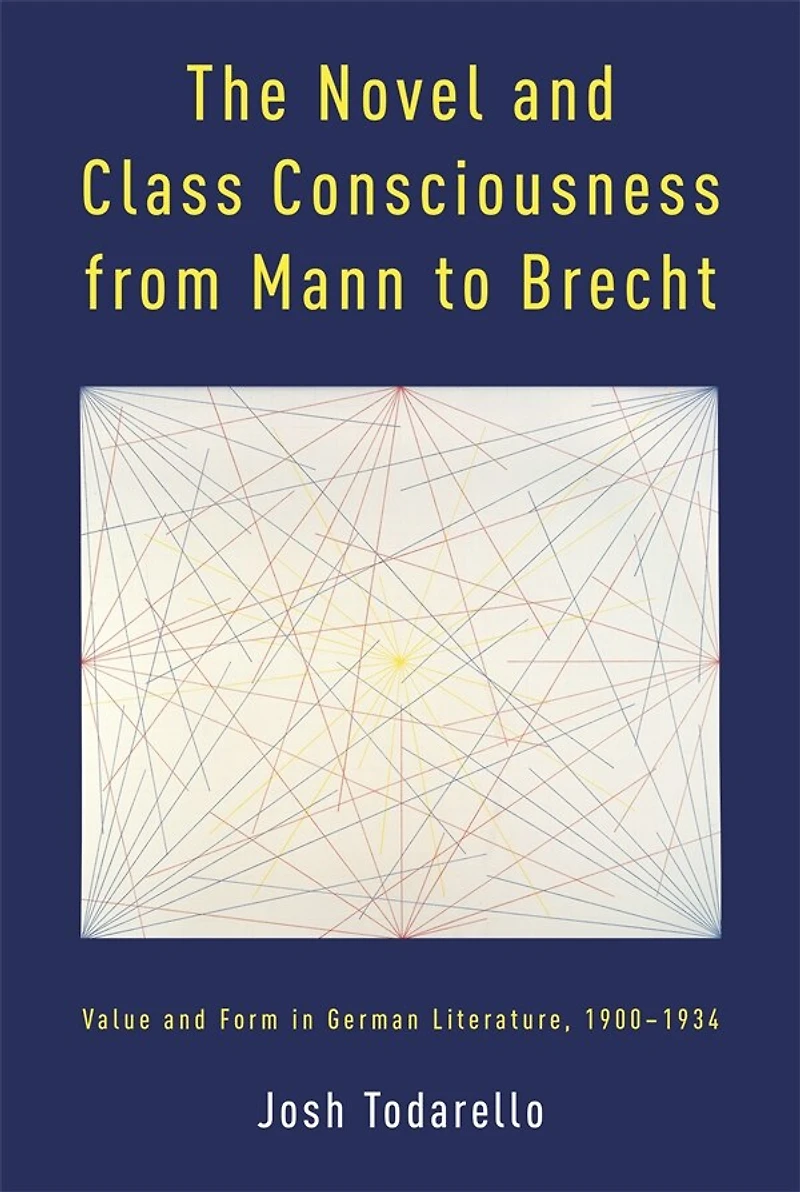
The Novel and Class Consciousness from Mann to Brecht: Value and Form in German Literature, 1900–1934 in Grande Prairie, AB
Current price: $157.20
Coles
The Novel and Class Consciousness from Mann to Brecht: Value and Form in German Literature, 1900–1934 in Grande Prairie, AB
Current price: $157.20
Loading Inventory...
Size: Hardcover
*Product information and pricing may vary - to confirm current pricing, availability, shipping, and return information please contact Coles. In the event of a pricing discrepancy, the retailer's price will apply.
Describes the relationship between economic and novelistic form within the period 1900-1934 by way of major novels by Kafka, Thomas Mann, Brecht, B. Traven, Ödön von Horváth, and Vicki Baum.
One of the most pressing problems facing literary studies-how to connect narrative form to social and historical context-continues to fire debates across periods and approaches. Josh Todarello shifts the conversation, focusing our attention on the tension between the literary and the economic. Taking off from the notion that novels register the economic in their content and embody it in their form, his book argues that the horizon of possibility for what the novel can narrate is underwritten by class consciousness and the mobile force of economic value, the fundamental social relation of capitalism.
Situating his analysis within the early twentieth century, during the hegemonic transition from the British nineteenth century to the American twentieth, Todarello examines works by well-known and lesser-studied authors writing in German-the language of a country late to the nationalist scene and caught in the economic riptide of the hegemonic succession. His book offers a formal analysis of novels by Thomas Mann, B. Traven, Franz Kafka, Ödön von Horváth, Vicki Baum and Bertolt Brecht, revealing how the entwined concepts of economic value and class consciousness occasion the forms these works take, even as they strain against them. The result is a nuanced approach to the form of the novel and a stimulating intervention into literary studies.
Describes the relationship between economic and novelistic form within the period 1900-1934 by way of major novels by Kafka, Thomas Mann, Brecht, B. Traven, Ödön von Horváth, and Vicki Baum.
One of the most pressing problems facing literary studies-how to connect narrative form to social and historical context-continues to fire debates across periods and approaches. Josh Todarello shifts the conversation, focusing our attention on the tension between the literary and the economic. Taking off from the notion that novels register the economic in their content and embody it in their form, his book argues that the horizon of possibility for what the novel can narrate is underwritten by class consciousness and the mobile force of economic value, the fundamental social relation of capitalism.
Situating his analysis within the early twentieth century, during the hegemonic transition from the British nineteenth century to the American twentieth, Todarello examines works by well-known and lesser-studied authors writing in German-the language of a country late to the nationalist scene and caught in the economic riptide of the hegemonic succession. His book offers a formal analysis of novels by Thomas Mann, B. Traven, Franz Kafka, Ödön von Horváth, Vicki Baum and Bertolt Brecht, revealing how the entwined concepts of economic value and class consciousness occasion the forms these works take, even as they strain against them. The result is a nuanced approach to the form of the novel and a stimulating intervention into literary studies.
You May Also Like












Find at Prairie Mall in Grande Prairie, AB
Visit at Prairie Mall in Grande Prairie, AB