


Gifting Made Simple
Give the Gift of ChoiceClick below to purchase a Prairie Mall eGift Card that can be used at participating retailers at Prairie Mall.Buy Gift CardHome
The Nature of Soviet Power: An Arctic Environmental History
Coles
Loading Inventory...
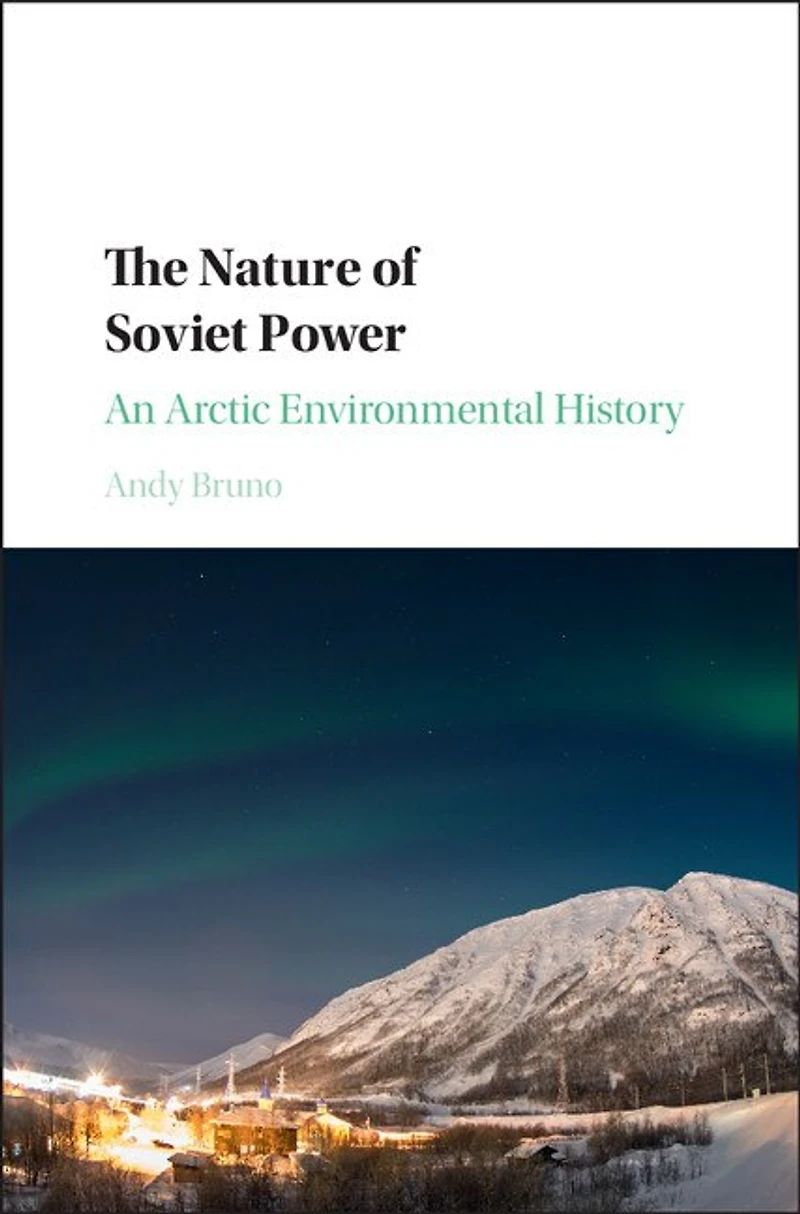
The Nature of Soviet Power: An Arctic Environmental History in Grande Prairie, AB
Current price: $152.95
Coles
The Nature of Soviet Power: An Arctic Environmental History in Grande Prairie, AB
Current price: $152.95
Loading Inventory...
Size: Hardcover
*Product information and pricing may vary - to confirm current pricing, availability, shipping, and return information please contact Coles. In the event of a pricing discrepancy, the retailer's price will apply.
During the twentieth century, the Soviet Union turned the Kola Peninsula in the northwest corner of the country into one of the most populated, industrialized, militarized, and polluted parts of the Arctic. This transformation suggests, above all, that environmental relations fundamentally shaped the Soviet experience. Interactions with the natural world both enabled industrial livelihoods and curtailed socialist promises. Nature itself was a participant in the communist project. Taking a long-term comparative perspective, The Nature of Soviet Power sees Soviet environmental history as part of the global pursuit for unending economic growth among modern states. This in-depth exploration of railroad construction, the mining and processing of phosphorus-rich apatite, reindeer herding, nickel and copper smelting, and energy production in the region examines Soviet cultural perceptions of nature, plans for development, lived experiences, and modifications to the physical world. While Soviet power remade nature, nature also remade Soviet power.
During the twentieth century, the Soviet Union turned the Kola Peninsula in the northwest corner of the country into one of the most populated, industrialized, militarized, and polluted parts of the Arctic. This transformation suggests, above all, that environmental relations fundamentally shaped the Soviet experience. Interactions with the natural world both enabled industrial livelihoods and curtailed socialist promises. Nature itself was a participant in the communist project. Taking a long-term comparative perspective, The Nature of Soviet Power sees Soviet environmental history as part of the global pursuit for unending economic growth among modern states. This in-depth exploration of railroad construction, the mining and processing of phosphorus-rich apatite, reindeer herding, nickel and copper smelting, and energy production in the region examines Soviet cultural perceptions of nature, plans for development, lived experiences, and modifications to the physical world. While Soviet power remade nature, nature also remade Soviet power.
You May Also Like










Find at Prairie Mall in Grande Prairie, AB
Visit at Prairie Mall in Grande Prairie, AB