


Gifting Made Simple
Give the Gift of ChoiceClick below to purchase a Prairie Mall eGift Card that can be used at participating retailers at Prairie Mall.Buy Gift CardHome
The Nature of Intelligence and Its Development in Childhood
Coles
Loading Inventory...
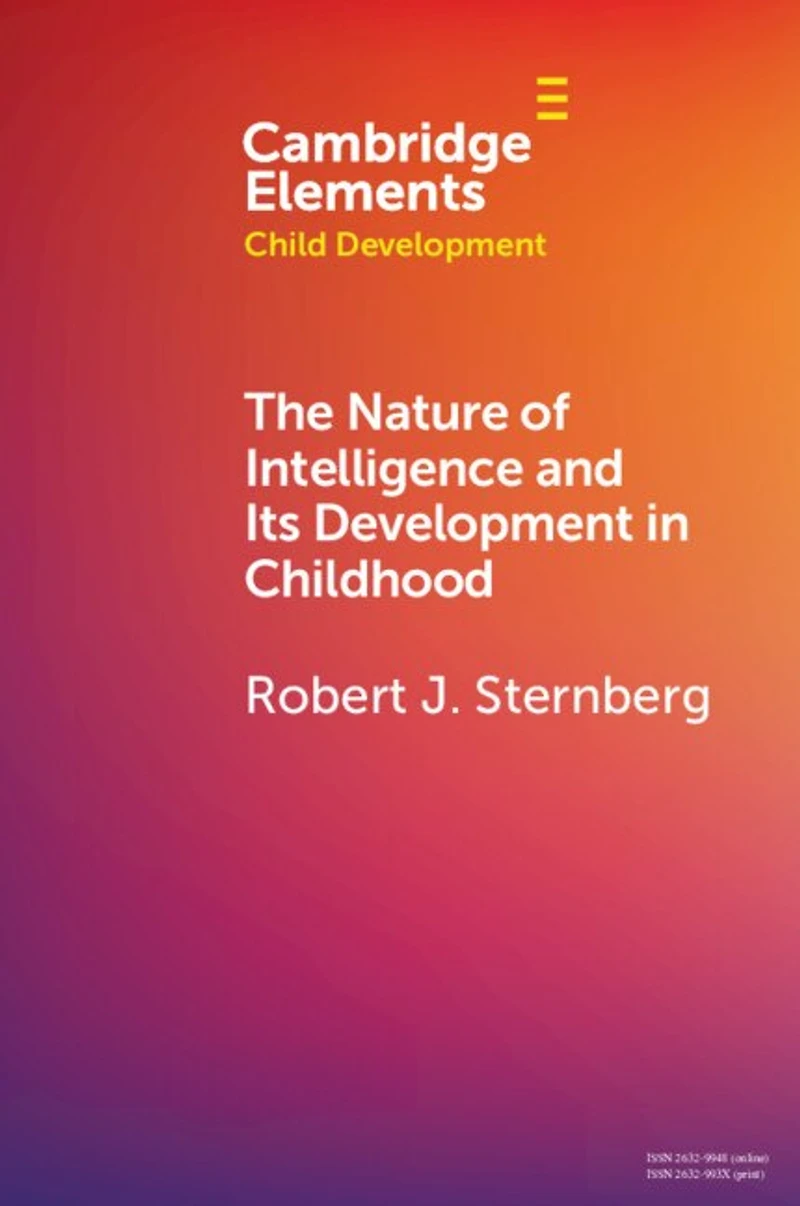
The Nature of Intelligence and Its Development in Childhood in Grande Prairie, AB
Current price: $29.54
Coles
The Nature of Intelligence and Its Development in Childhood in Grande Prairie, AB
Current price: $29.54
Loading Inventory...
Size: Paperback
*Product information and pricing may vary - to confirm current pricing, availability, shipping, and return information please contact Coles. In the event of a pricing discrepancy, the retailer's price will apply.
In this Element, I first introduce intelligence in terms of historical definitions. I show that intelligence, as conceived even by the originators of the first intelligence tests, Alfred Binet and David Wechsler, is a much broader construct than just scores on narrow tests of intelligence and their proxies. I then review the major approaches to understanding intelligence and its development: the psychometric (test-based), cognitive and neurocognitive (intelligence as a set of brain-based cognitive representations and processes), systems, cultural, and developmental. These approaches, taken together, present a much more complex portrait of intelligence and its development than the one that would be ascertained just from scores on intelligence tests. Finally, I draw some take-away conclusions.
In this Element, I first introduce intelligence in terms of historical definitions. I show that intelligence, as conceived even by the originators of the first intelligence tests, Alfred Binet and David Wechsler, is a much broader construct than just scores on narrow tests of intelligence and their proxies. I then review the major approaches to understanding intelligence and its development: the psychometric (test-based), cognitive and neurocognitive (intelligence as a set of brain-based cognitive representations and processes), systems, cultural, and developmental. These approaches, taken together, present a much more complex portrait of intelligence and its development than the one that would be ascertained just from scores on intelligence tests. Finally, I draw some take-away conclusions.
You May Also Like












Find at Prairie Mall in Grande Prairie, AB
Visit at Prairie Mall in Grande Prairie, AB