


Gifting Made Simple
Give the Gift of ChoiceClick below to purchase a Prairie Mall eGift Card that can be used at participating retailers at Prairie Mall.Buy Gift CardHome
The Music of Tragedy: Performance and Imagination Euripidean Theater
Coles
Loading Inventory...
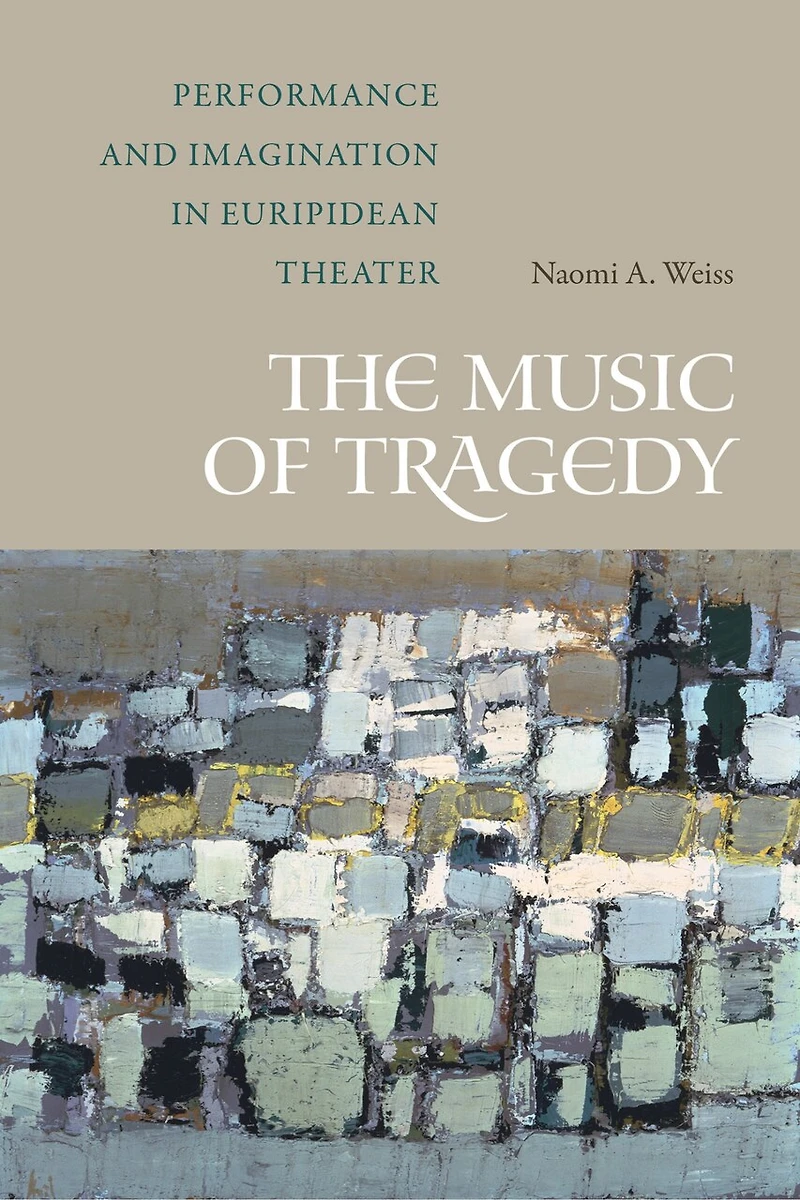
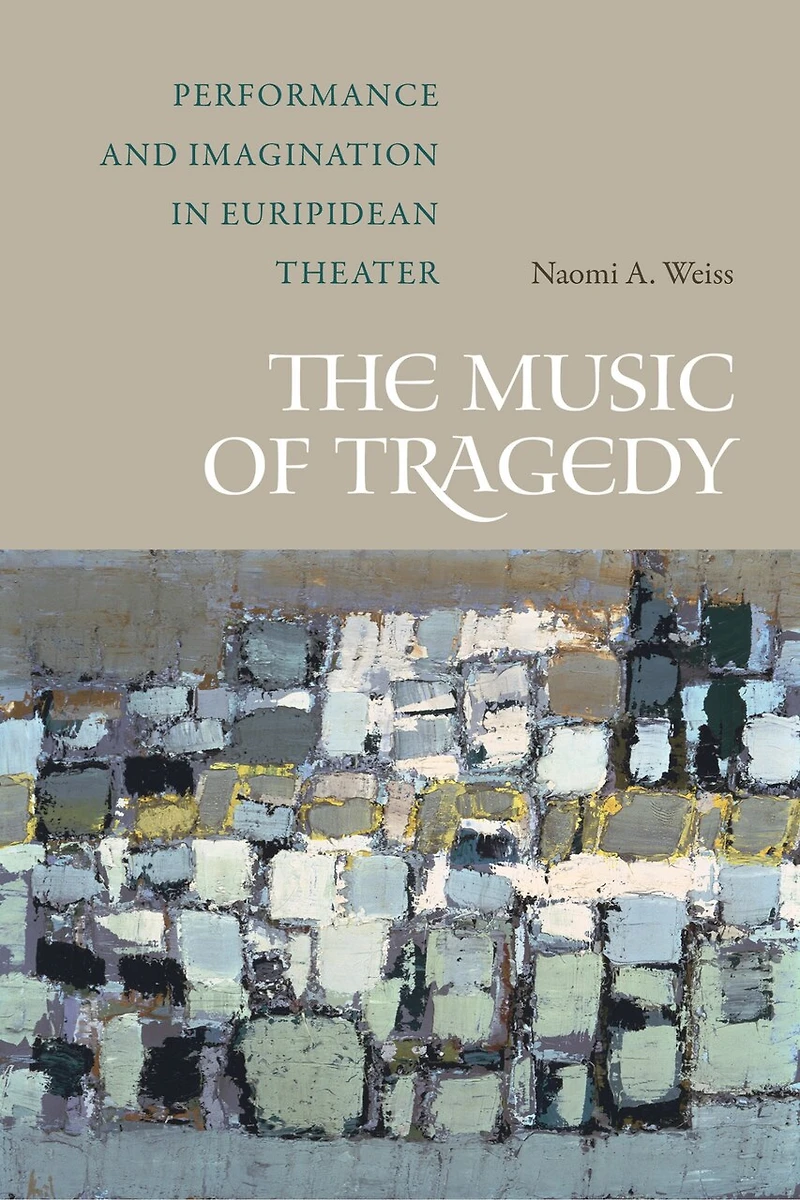
The Music of Tragedy: Performance and Imagination Euripidean Theater in Grande Prairie, AB
Current price: $122.46
Coles
The Music of Tragedy: Performance and Imagination Euripidean Theater in Grande Prairie, AB
Current price: $122.46
Loading Inventory...
Size: Hardcover
*Product information and pricing may vary - to confirm current pricing, availability, shipping, and return information please contact Coles. In the event of a pricing discrepancy, the retailer's price will apply.
The Music of Tragedy offers a new approach to the study of classical Greek theater by examining the use of musical language, imagery, and performance in the late work of Euripides. Naomi Weiss demonstrates that Euripides’ allusions to music-making are not just metatheatrical flourishes or gestures towards musical and religious practices external to the drama but closely interwoven with the dramatic plot. Situating Euripides’ experimentation with the dramaturgical effects of mousik e within a broader cultural context, she shows how much of his novelty lies in his reinvention of traditional lyric styles and motifs for the tragic stage. If we wish to understand better the trajectories of this most important ancient art form, The Music of Tragedy argues, we must pay closer attention to the role played by both music and text.
The Music of Tragedy offers a new approach to the study of classical Greek theater by examining the use of musical language, imagery, and performance in the late work of Euripides. Naomi Weiss demonstrates that Euripides’ allusions to music-making are not just metatheatrical flourishes or gestures towards musical and religious practices external to the drama but closely interwoven with the dramatic plot. Situating Euripides’ experimentation with the dramaturgical effects of mousik e within a broader cultural context, she shows how much of his novelty lies in his reinvention of traditional lyric styles and motifs for the tragic stage. If we wish to understand better the trajectories of this most important ancient art form, The Music of Tragedy argues, we must pay closer attention to the role played by both music and text.
You May Also Like











Find at Prairie Mall in Grande Prairie, AB
Visit at Prairie Mall in Grande Prairie, AB