


Gifting Made Simple
Give the Gift of ChoiceClick below to purchase a Prairie Mall eGift Card that can be used at participating retailers at Prairie Mall.Buy Gift CardHome
the Moral Person of State: Pufendorf, Sovereignty and Composite Polities
Coles
Loading Inventory...
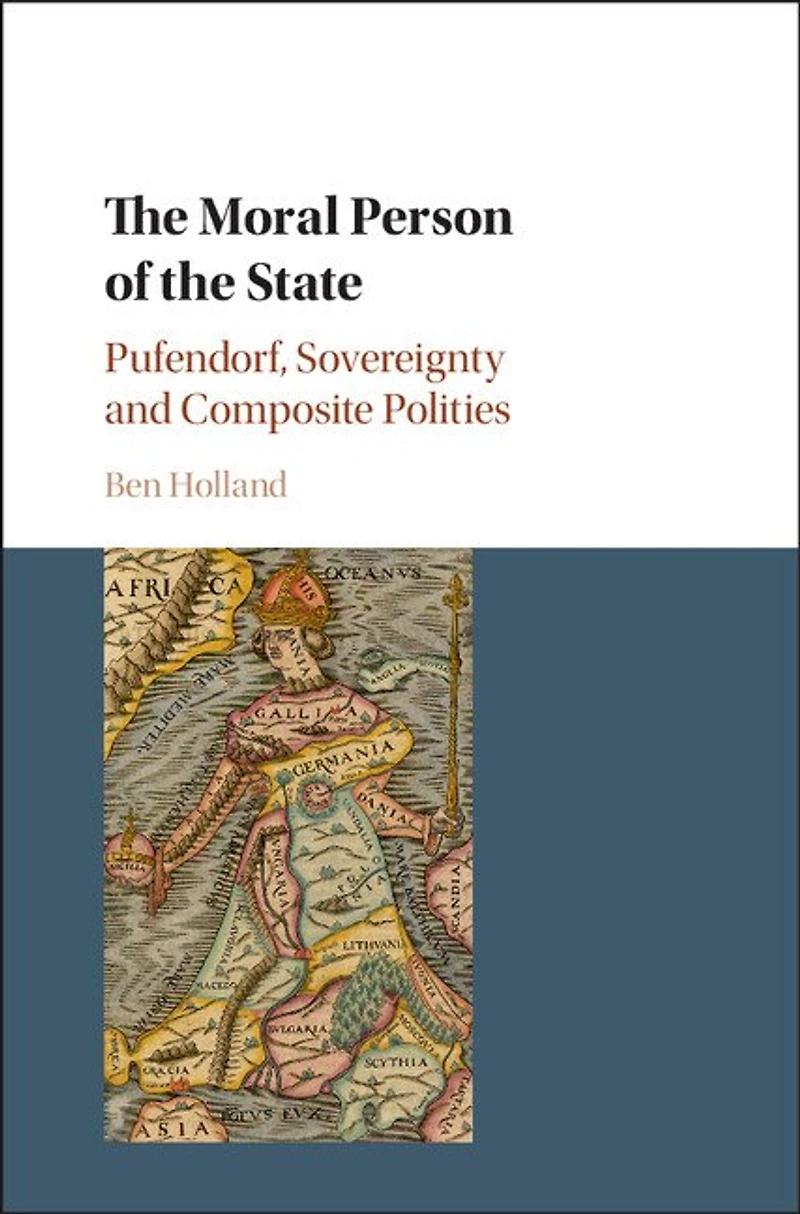
the Moral Person of State: Pufendorf, Sovereignty and Composite Polities in Grande Prairie, AB
Current price: $137.95
Coles
the Moral Person of State: Pufendorf, Sovereignty and Composite Polities in Grande Prairie, AB
Current price: $137.95
Loading Inventory...
Size: Hardcover
*Product information and pricing may vary - to confirm current pricing, availability, shipping, and return information please contact Coles. In the event of a pricing discrepancy, the retailer's price will apply.
This is the first detailed study in any language of the single most influential theory of the modern state: Samuel von Pufendorf's account of the state as a 'moral person'. Ben Holland reconstructs the theological and political contexts in and for which Pufendorf conceived of the state as being a person. Pufendorf took up an early Christian conception of personality and a medieval conception of freedom in order to fashion a theory of the state appropriate to continental Europe, and which could head off some of the absolutist implications of a rival theory of state personality, that of Hobbes. The book traces the fate of the concept in the hands of others - international lawyers, moral philosophers and revolutionaries - until the early twentieth century. It will be essential reading for historians of political thought and for those interested in the development of key ideas in theology, international law and international relations.
This is the first detailed study in any language of the single most influential theory of the modern state: Samuel von Pufendorf's account of the state as a 'moral person'. Ben Holland reconstructs the theological and political contexts in and for which Pufendorf conceived of the state as being a person. Pufendorf took up an early Christian conception of personality and a medieval conception of freedom in order to fashion a theory of the state appropriate to continental Europe, and which could head off some of the absolutist implications of a rival theory of state personality, that of Hobbes. The book traces the fate of the concept in the hands of others - international lawyers, moral philosophers and revolutionaries - until the early twentieth century. It will be essential reading for historians of political thought and for those interested in the development of key ideas in theology, international law and international relations.
You May Also Like








Find at Prairie Mall in Grande Prairie, AB
Visit at Prairie Mall in Grande Prairie, AB