


Gifting Made Simple
Give the Gift of ChoiceClick below to purchase a Prairie Mall eGift Card that can be used at participating retailers at Prairie Mall.Buy Gift CardHome
The Metabolic Ghetto: An Evolutionary Perspective On Nutrition, Power Relations And Chronic Disease
Coles
Loading Inventory...
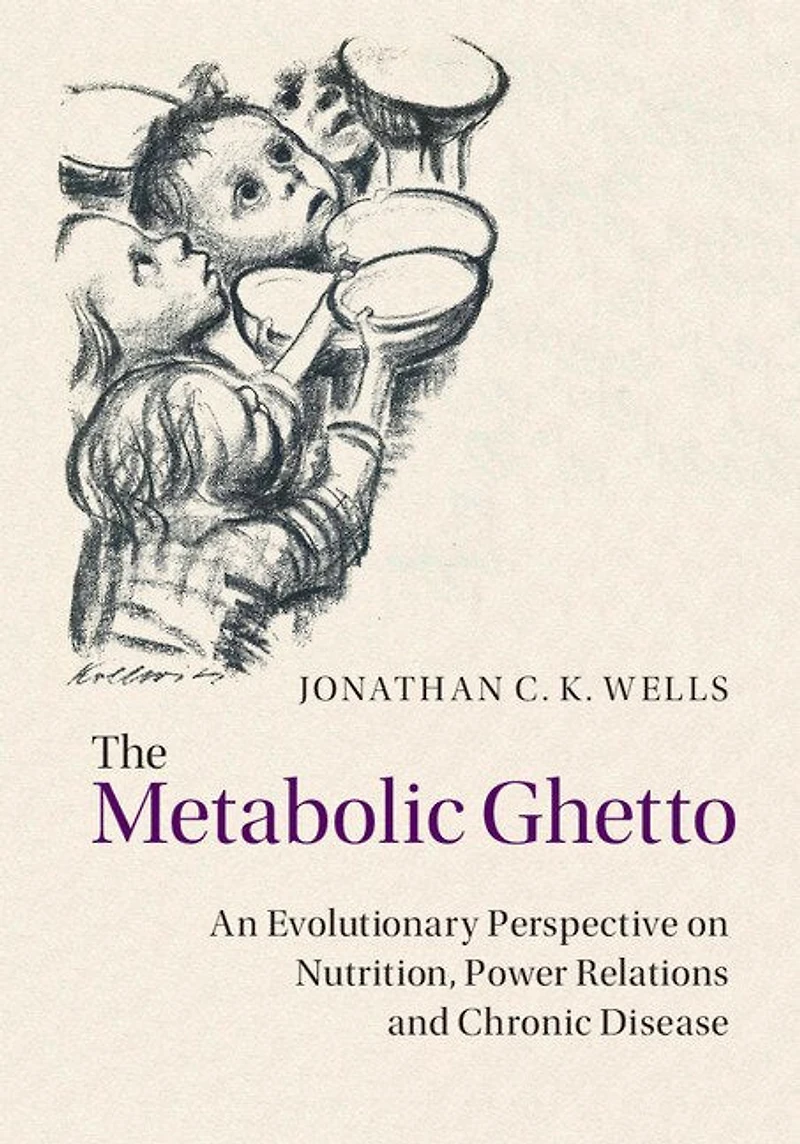
The Metabolic Ghetto: An Evolutionary Perspective On Nutrition, Power Relations And Chronic Disease in Grande Prairie, AB
Current price: $167.95
Coles
The Metabolic Ghetto: An Evolutionary Perspective On Nutrition, Power Relations And Chronic Disease in Grande Prairie, AB
Current price: $167.95
Loading Inventory...
Size: Hardcover
*Product information and pricing may vary - to confirm current pricing, availability, shipping, and return information please contact Coles. In the event of a pricing discrepancy, the retailer's price will apply.
Chronic diseases have rapidly become the leading global cause of morbidity and mortality, yet there is poor understanding of this transition, or why particular social and ethnic groups are especially susceptible. In this book, Wells adopts a multidisciplinary approach to human nutrition, emphasising how power relations shape the physiological pathways to obesity, diabetes, hypertension and cardiovascular disease. Part I reviews the physiological basis of chronic diseases, presenting a 'capacity-load' model that integrates the nutritional contributions of developmental experience and adult lifestyle. Part II presents an evolutionary perspective on the sensitivity of human metabolism to ecological stresses, highlighting how social hierarchy impacts metabolism on an intergenerational timescale. Part III reviews how nutrition has changed over time, as societies evolved and coalesced towards a single global economic system. Part IV integrates these physiological, evolutionary and politico-economic perspectives in a unifying framework, to deepen our understanding of the societal basis of metabolic ill-health.
Chronic diseases have rapidly become the leading global cause of morbidity and mortality, yet there is poor understanding of this transition, or why particular social and ethnic groups are especially susceptible. In this book, Wells adopts a multidisciplinary approach to human nutrition, emphasising how power relations shape the physiological pathways to obesity, diabetes, hypertension and cardiovascular disease. Part I reviews the physiological basis of chronic diseases, presenting a 'capacity-load' model that integrates the nutritional contributions of developmental experience and adult lifestyle. Part II presents an evolutionary perspective on the sensitivity of human metabolism to ecological stresses, highlighting how social hierarchy impacts metabolism on an intergenerational timescale. Part III reviews how nutrition has changed over time, as societies evolved and coalesced towards a single global economic system. Part IV integrates these physiological, evolutionary and politico-economic perspectives in a unifying framework, to deepen our understanding of the societal basis of metabolic ill-health.
You May Also Like













Find at Prairie Mall in Grande Prairie, AB
Visit at Prairie Mall in Grande Prairie, AB