


Gifting Made Simple
Give the Gift of ChoiceClick below to purchase a Prairie Mall eGift Card that can be used at participating retailers at Prairie Mall.Buy Gift CardHome
the March of Women: A Revisionist Analysis Campaign for Women's Suffrage, 1866-1914
Coles
Loading Inventory...
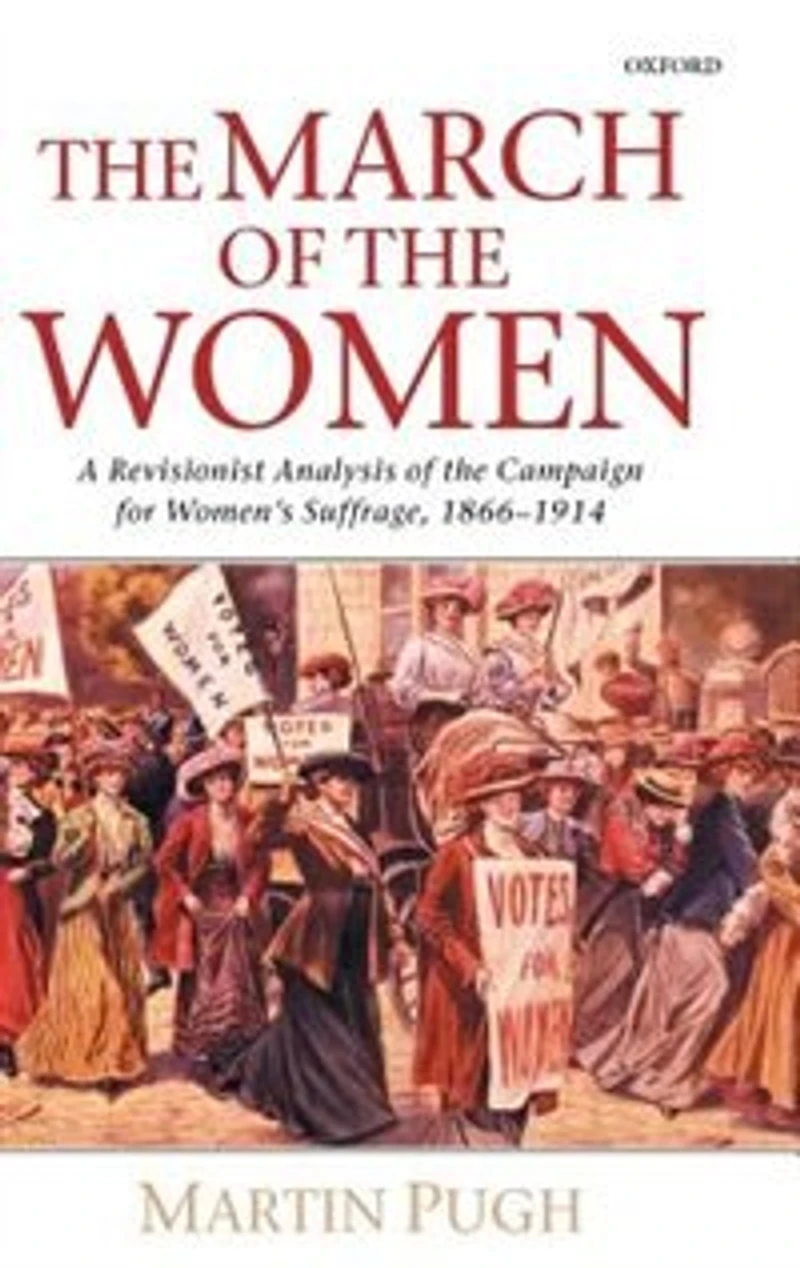
the March of Women: A Revisionist Analysis Campaign for Women's Suffrage, 1866-1914 in Grande Prairie, AB
Current price: $376.50
Coles
the March of Women: A Revisionist Analysis Campaign for Women's Suffrage, 1866-1914 in Grande Prairie, AB
Current price: $376.50
Loading Inventory...
Size: Hardcover
*Product information and pricing may vary - to confirm current pricing, availability, shipping, and return information please contact Coles. In the event of a pricing discrepancy, the retailer's price will apply.
This book is the first comprehensive study of the campaign for women''s suffrage to appear for over thirty years. It challenges the widely-held assumption that the Victorian suffragists underwent a decline during the 1890s, and sets out to prove that, on the contrary, they had effectively won
the argument about votes for womenby 1900. To support this view the author demonstrates how ineffective Anti-Suffragisn was during this period; cites the impetus given to the campaign by the enfranchisement of women in New Zealand and Australia, in 1893 and 1902; and crucially examines the shift
towards suffragist support by the Conservative party in the 1890s.
The March of the Women also evaluates anew the militant campaign of the Edwardian era, contrasting the sharp divisions over tactics among the London leadership with the more pragmatic approach at grass roots level. It shows how the Pankhursts and the WSPU managed to combine attacking the British
Establishment and its values with tapping into it for support and funds; while at the other end of the spectrum the non-militants gathered support for the cause from the working-class and the emergent Labour Party.
This book is the first comprehensive study of the campaign for women''s suffrage to appear for over thirty years. It challenges the widely-held assumption that the Victorian suffragists underwent a decline during the 1890s, and sets out to prove that, on the contrary, they had effectively won
the argument about votes for womenby 1900. To support this view the author demonstrates how ineffective Anti-Suffragisn was during this period; cites the impetus given to the campaign by the enfranchisement of women in New Zealand and Australia, in 1893 and 1902; and crucially examines the shift
towards suffragist support by the Conservative party in the 1890s.
The March of the Women also evaluates anew the militant campaign of the Edwardian era, contrasting the sharp divisions over tactics among the London leadership with the more pragmatic approach at grass roots level. It shows how the Pankhursts and the WSPU managed to combine attacking the British
Establishment and its values with tapping into it for support and funds; while at the other end of the spectrum the non-militants gathered support for the cause from the working-class and the emergent Labour Party.
You May Also Like












Find at Prairie Mall in Grande Prairie, AB
Visit at Prairie Mall in Grande Prairie, AB