


Gifting Made Simple
Give the Gift of ChoiceClick below to purchase a Prairie Mall eGift Card that can be used at participating retailers at Prairie Mall.Buy Gift CardHome
The Making of Modern Kosovo: Reassessing Ibrahim Rugova's Policy Non-Violence
Coles
Loading Inventory...
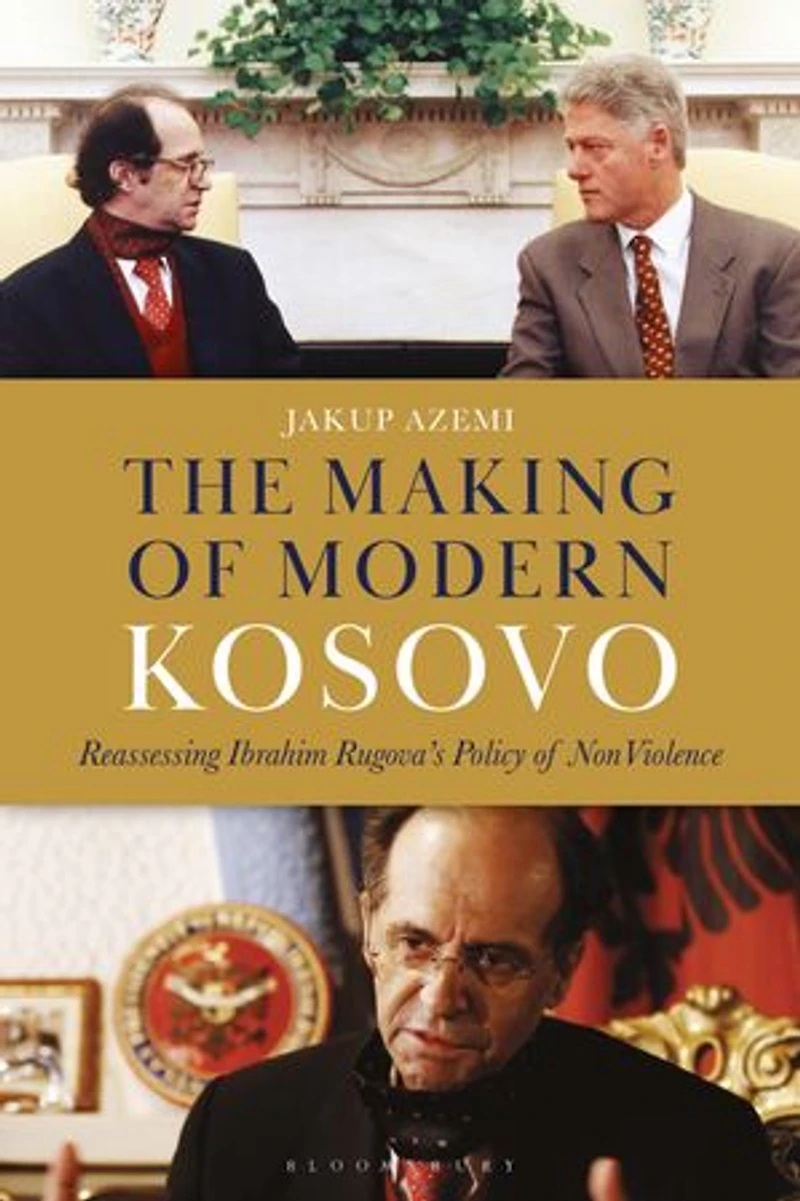
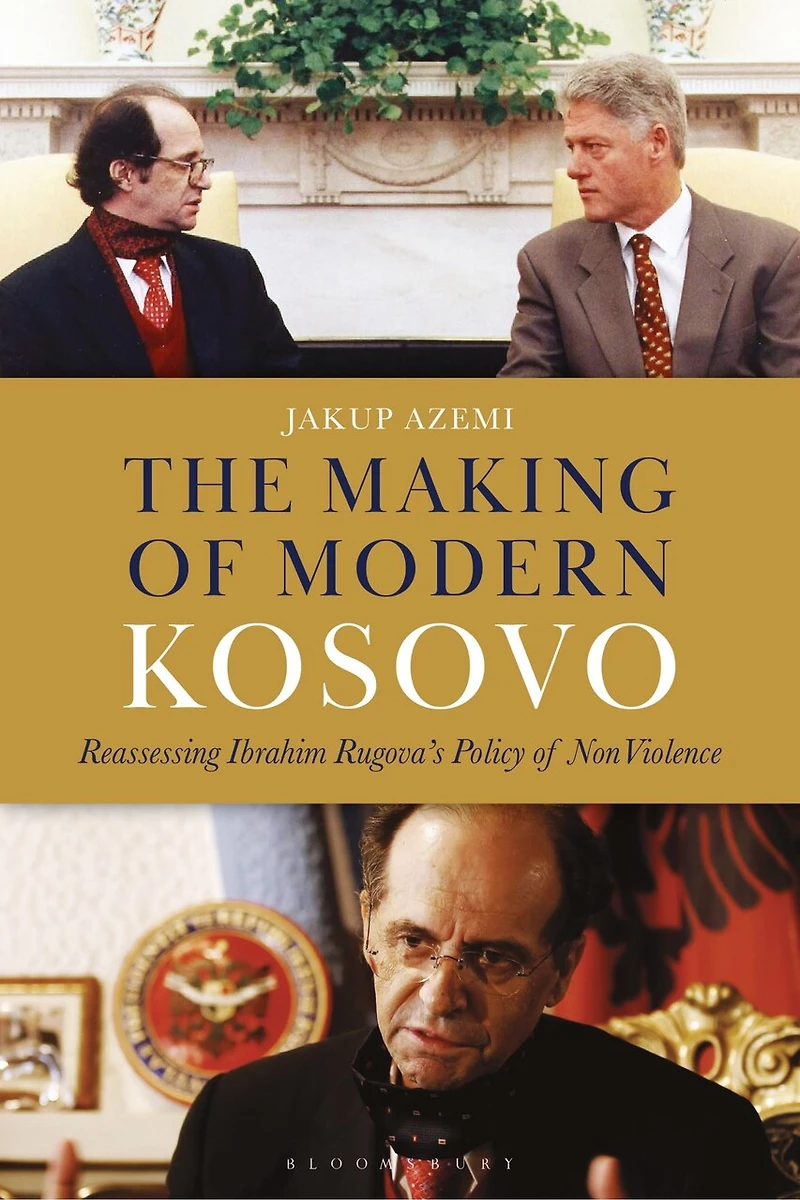
The Making of Modern Kosovo: Reassessing Ibrahim Rugova's Policy Non-Violence in Grande Prairie, AB
Current price: $31.69
Original price: $39.55
Coles
The Making of Modern Kosovo: Reassessing Ibrahim Rugova's Policy Non-Violence in Grande Prairie, AB
Current price: $31.69
Original price: $39.55
Loading Inventory...
Size: Kobo eBook
*Product information and pricing may vary - to confirm current pricing, availability, shipping, and return information please contact Coles. In the event of a pricing discrepancy, the retailer's price will apply.
This book traces the origins and success of Ibrahim Rugova's policy of nonviolence in Kosovo between 1989-1999 and how it laid the framework for the creation of Kosovo's cultural and political identity as an independent state. Ibrahim Rugova has long been neglected in understanding how Kosovo became an independent state, with most observers concentrating on the Kosovo Liberation Army and the armed conflict of 1999 in which NATO was involved. Jakup Azemi seeks to remedy this, arguing that despite the events of 1998/99, local actors and their political organisation mattered much more than is widely recognised. Rugova's movement represented a novelty not only for the Albanians but for the whole Balkan region. He developed a vision that integrated Albanians' cultural and historical experiences into the non-violent movement and presented the Kosovan conflict to the world with a different political and cultural lens. This is a key text for scholars interested in the history of the Kosovar liberation movement, the dissolution of the former Yugoslavia; and those looking at current issues in the Western Balkans, and the Albanian-Kosovar relationship.
This book traces the origins and success of Ibrahim Rugova's policy of nonviolence in Kosovo between 1989-1999 and how it laid the framework for the creation of Kosovo's cultural and political identity as an independent state. Ibrahim Rugova has long been neglected in understanding how Kosovo became an independent state, with most observers concentrating on the Kosovo Liberation Army and the armed conflict of 1999 in which NATO was involved. Jakup Azemi seeks to remedy this, arguing that despite the events of 1998/99, local actors and their political organisation mattered much more than is widely recognised. Rugova's movement represented a novelty not only for the Albanians but for the whole Balkan region. He developed a vision that integrated Albanians' cultural and historical experiences into the non-violent movement and presented the Kosovan conflict to the world with a different political and cultural lens. This is a key text for scholars interested in the history of the Kosovar liberation movement, the dissolution of the former Yugoslavia; and those looking at current issues in the Western Balkans, and the Albanian-Kosovar relationship.
You May Also Like








Find at Prairie Mall in Grande Prairie, AB
Visit at Prairie Mall in Grande Prairie, AB