


Gifting Made Simple
Give the Gift of ChoiceClick below to purchase a Prairie Mall eGift Card that can be used at participating retailers at Prairie Mall.Buy Gift CardHome
The Making of Brazilian Amazonian Societies: A Study Ethnographic and Spatial History
Coles
Loading Inventory...
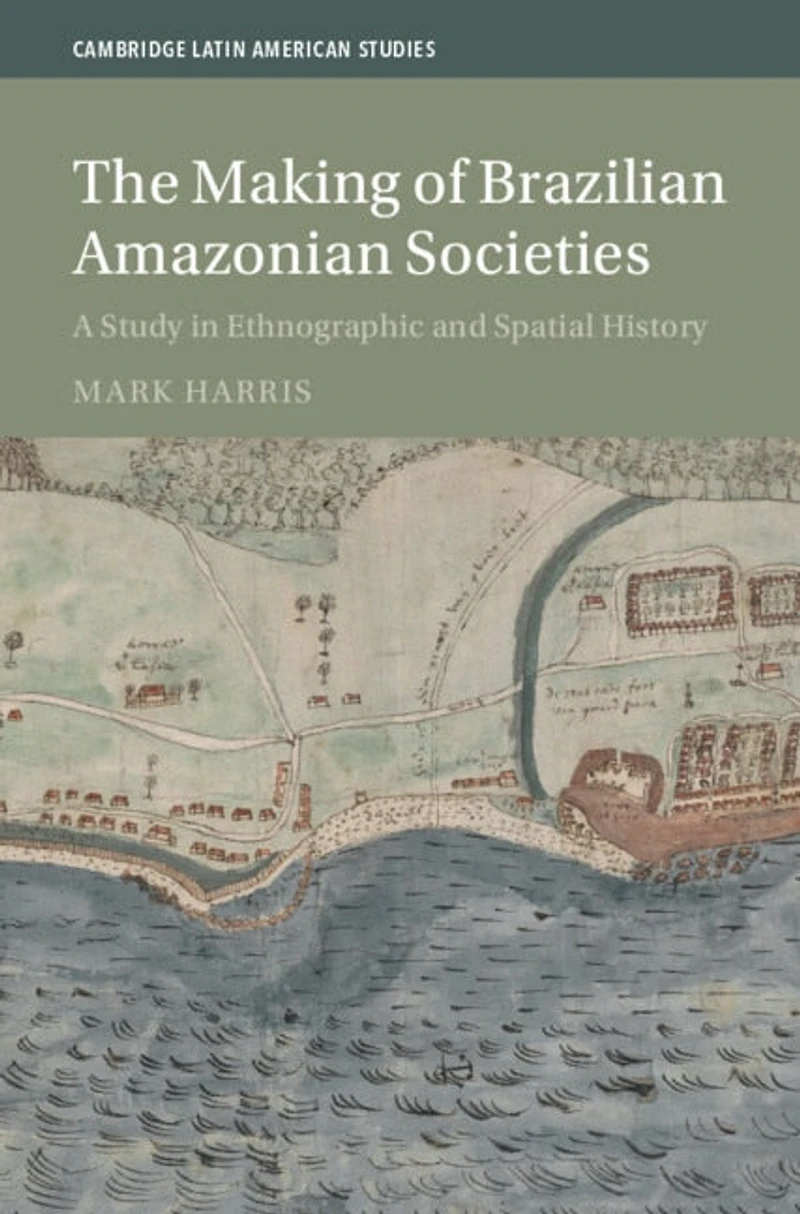
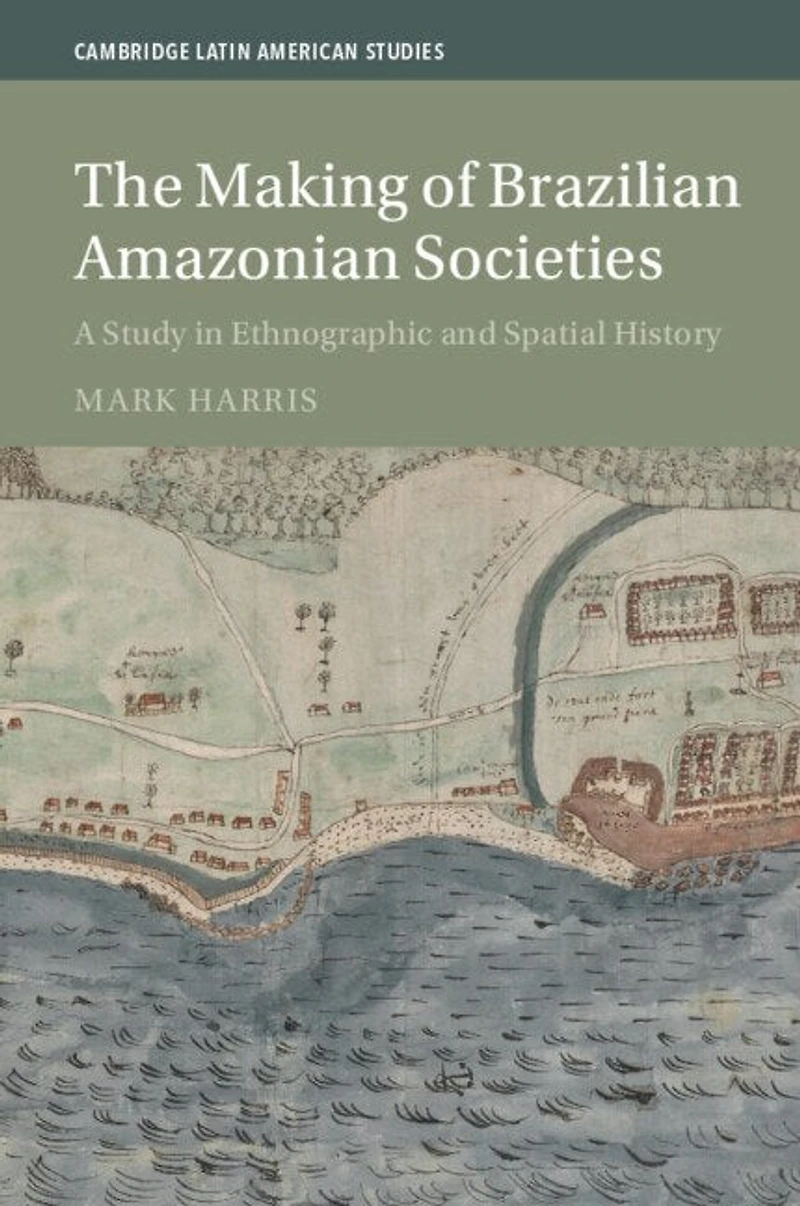
The Making of Brazilian Amazonian Societies: A Study Ethnographic and Spatial History in Grande Prairie, AB
Current price: $154.95
Coles
The Making of Brazilian Amazonian Societies: A Study Ethnographic and Spatial History in Grande Prairie, AB
Current price: $154.95
Loading Inventory...
Size: Hardcover
*Product information and pricing may vary - to confirm current pricing, availability, shipping, and return information please contact Coles. In the event of a pricing discrepancy, the retailer's price will apply.
Amazonia presents the contemporary scholar with myriad challenges. What does it consist of, and what are its limits? In this interdisciplinary book, Mark Harris examines the formation of Brazilian Amazonian societies in the seventeenth and eighteenth centuries, focusing predominantly on the Eastern Amazon, what is today the states of Pará and Amapá in Brazil. His aim is to demonstrate how the region emerged through the activities and movements of Indigenous societies with diverse languages, cultures, individuals of mixed heritage, and impoverished European and African people from various nations. Rarely are these approaches and people examined together, but this comprehensive history insightfully illustrates that the Brazilian Amazon consists of all these communities and their struggles and highlights the ways the Amazon has been defended through partnership and alliance across ethnic identities.
Amazonia presents the contemporary scholar with myriad challenges. What does it consist of, and what are its limits? In this interdisciplinary book, Mark Harris examines the formation of Brazilian Amazonian societies in the seventeenth and eighteenth centuries, focusing predominantly on the Eastern Amazon, what is today the states of Pará and Amapá in Brazil. His aim is to demonstrate how the region emerged through the activities and movements of Indigenous societies with diverse languages, cultures, individuals of mixed heritage, and impoverished European and African people from various nations. Rarely are these approaches and people examined together, but this comprehensive history insightfully illustrates that the Brazilian Amazon consists of all these communities and their struggles and highlights the ways the Amazon has been defended through partnership and alliance across ethnic identities.
You May Also Like












Find at Prairie Mall in Grande Prairie, AB
Visit at Prairie Mall in Grande Prairie, AB