


Gifting Made Simple
Give the Gift of ChoiceClick below to purchase a Prairie Mall eGift Card that can be used at participating retailers at Prairie Mall.Buy Gift CardHome
The Majangir: Ecology and Society of a Southwest Ethiopian People
Coles
Loading Inventory...
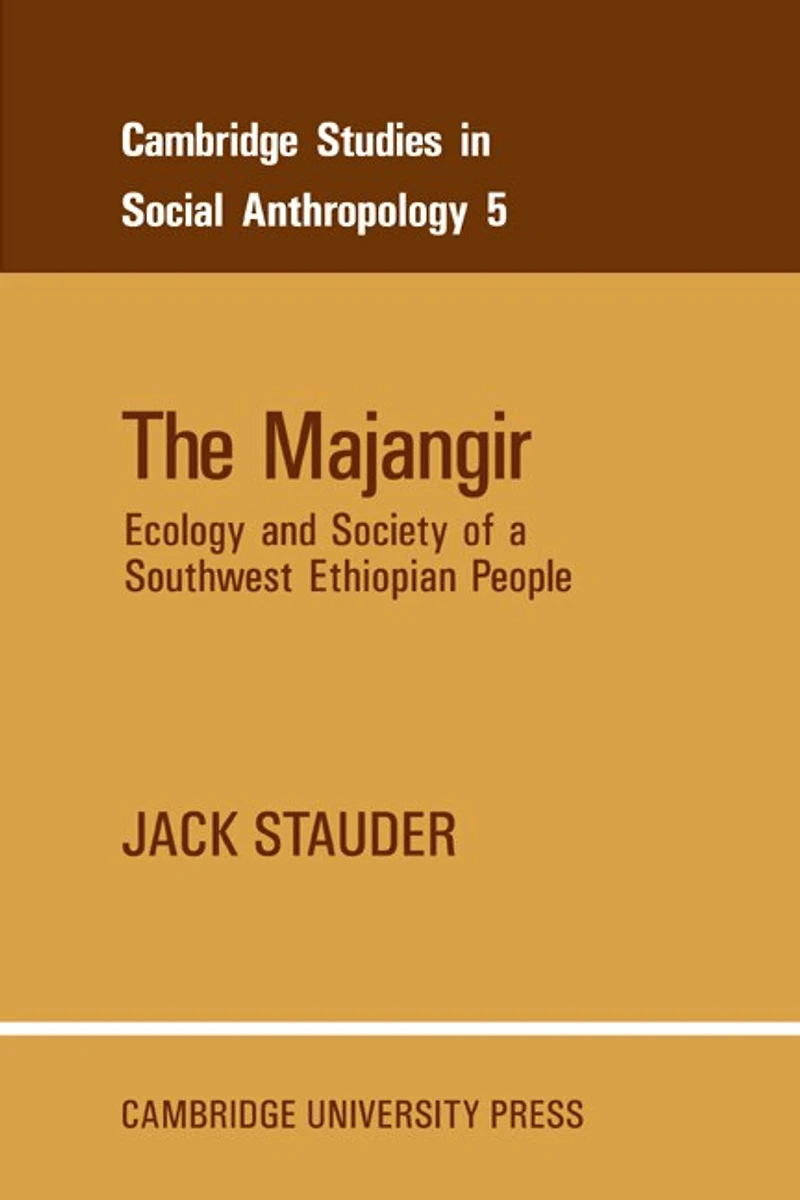
The Majangir: Ecology and Society of a Southwest Ethiopian People in Grande Prairie, AB
Current price: $52.79
Coles
The Majangir: Ecology and Society of a Southwest Ethiopian People in Grande Prairie, AB
Current price: $52.79
Loading Inventory...
Size: Paperback
*Product information and pricing may vary - to confirm current pricing, availability, shipping, and return information please contact Coles. In the event of a pricing discrepancy, the retailer's price will apply.
The Majangir live on the thickly forested slopes of the south-western edge of the Ethiopian plateau, between the Anuak of the plains and the Galla of the highlands. Their way of life is markedly different from that of their neighbours, and is well adapted to their habitat. They are agriculturalists and the structure of their society is loose and simple. They have no political leaders, the only individuals of any authority being ritual leaders whose influence is restricted. Domestic groups tend to farm plots adjacent to those of friends or kin, but the settlements remain small and constantly change in composition (as well as in location). In addition to farming, in which the men and women share the work, the men make occasional hunting and fishing trips, as well as spending quite a considerable amount of time tending and making bee hives. Dr Stauder examines the various social and spatial groupings of Majang society and demonstrates the intimate ecological relationship between these groupings and the system of slash and burn cultivation practised by the Majangir.
The Majangir live on the thickly forested slopes of the south-western edge of the Ethiopian plateau, between the Anuak of the plains and the Galla of the highlands. Their way of life is markedly different from that of their neighbours, and is well adapted to their habitat. They are agriculturalists and the structure of their society is loose and simple. They have no political leaders, the only individuals of any authority being ritual leaders whose influence is restricted. Domestic groups tend to farm plots adjacent to those of friends or kin, but the settlements remain small and constantly change in composition (as well as in location). In addition to farming, in which the men and women share the work, the men make occasional hunting and fishing trips, as well as spending quite a considerable amount of time tending and making bee hives. Dr Stauder examines the various social and spatial groupings of Majang society and demonstrates the intimate ecological relationship between these groupings and the system of slash and burn cultivation practised by the Majangir.
You May Also Like











Find at Prairie Mall in Grande Prairie, AB
Visit at Prairie Mall in Grande Prairie, AB