


Gifting Made Simple
Give the Gift of ChoiceClick below to purchase a Prairie Mall eGift Card that can be used at participating retailers at Prairie Mall.Buy Gift CardHome
The Long Shadow of Extraction: Origins Indigenous Autonomy Demands
Coles
Loading Inventory...
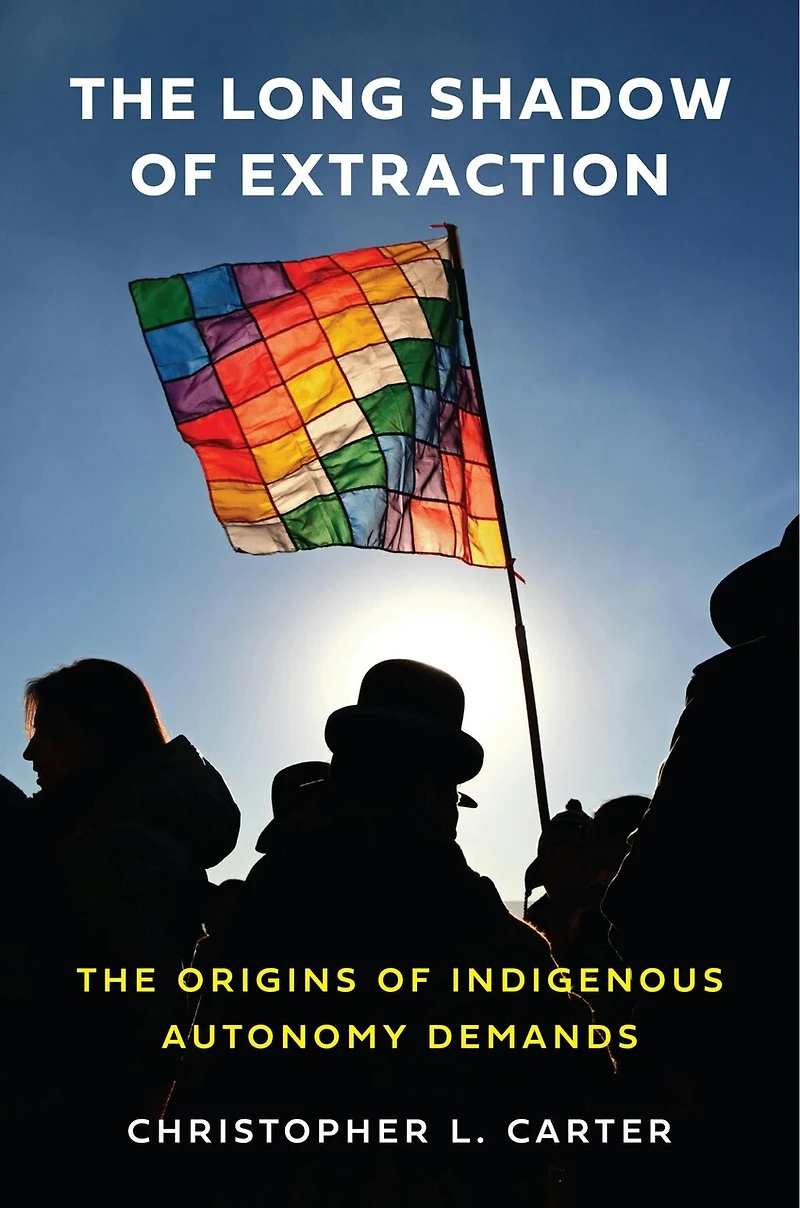
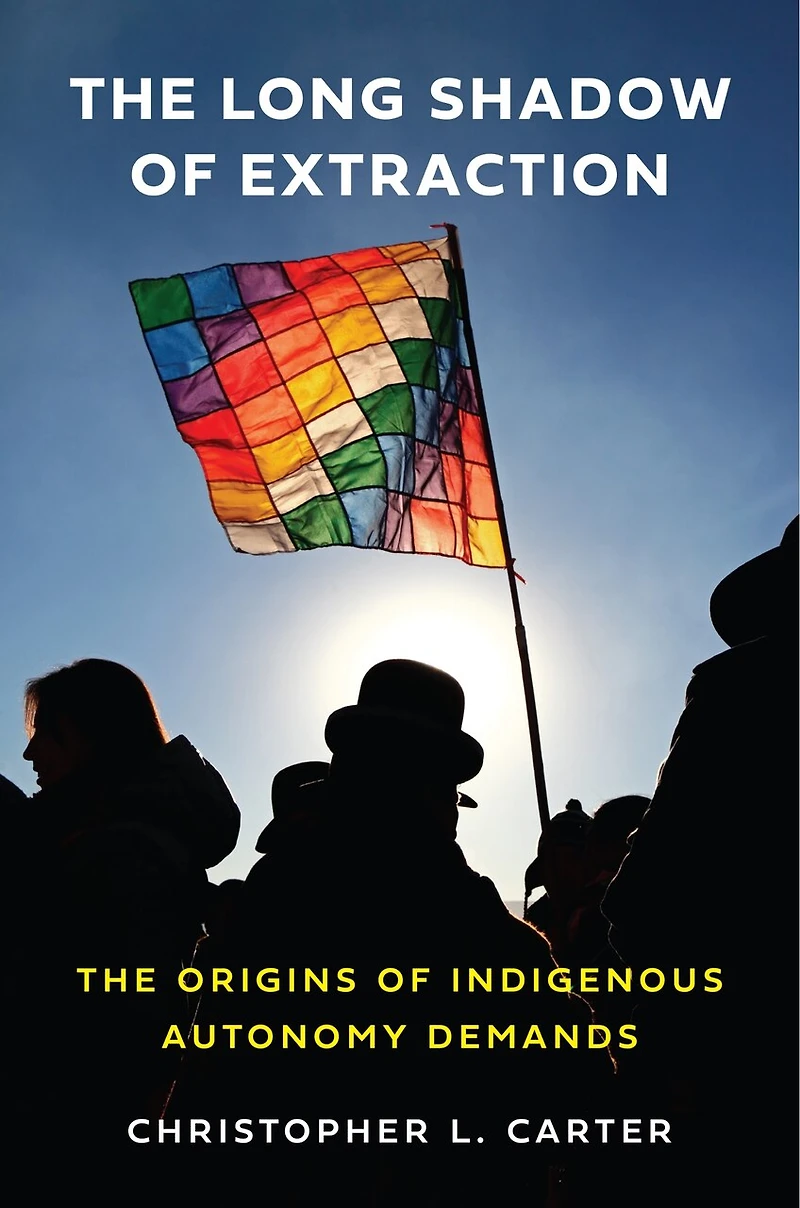
The Long Shadow of Extraction: Origins Indigenous Autonomy Demands in Grande Prairie, AB
Current price: $135.00
Coles
The Long Shadow of Extraction: Origins Indigenous Autonomy Demands in Grande Prairie, AB
Current price: $135.00
Loading Inventory...
Size: Hardcover
*Product information and pricing may vary - to confirm current pricing, availability, shipping, and return information please contact Coles. In the event of a pricing discrepancy, the retailer's price will apply.
How resistance to extraction shaped Indigenous demands for autonomy, integration, or assimilation
From the onset of colonialism, Indigenous communities have faced seizure of their land, labor, and resources by non-Indigenous actors. In The Long Shadow of Extraction , Christopher Carter argues that the native groups’ resistance to extraction took distinct forms, and that this variation explains why some communities demanded autonomy while others demanded integration or assimilation. Countering existing scholarship that assumes a universal demand for autonomy, Carter shows that some Indigenous communities in fact refused government offers to recognize their local political authority and longstanding economic institutions.
Carter argues that contemporary Indigenous demands were forged in early twentieth-century efforts to resist extraction. Drawing on two emblematic Latin American cases, Peru and Bolivia, Carter shows that in communities where traditional Indigenous leaders organized resistance, ethnic mobilization occurred and gave rise to enduring demands for autonomy, or state recognition of Indigenous identities and institutions. In communities where unions and leftist parties organized resistance, class-based mobilization became the norm. This led communities to reject autonomy and demand instead integration (state recognition of Indigenous identities but not Indigenous institutions) or assimilation (state recognition of neither Indigenous identities nor institutions). Carter’s groundbreaking account of Indigenous resistance has important implications for understanding not only the historical emergence of autonomy but variations in identity-based mobilization in multiethnic democracies.
How resistance to extraction shaped Indigenous demands for autonomy, integration, or assimilation
From the onset of colonialism, Indigenous communities have faced seizure of their land, labor, and resources by non-Indigenous actors. In The Long Shadow of Extraction , Christopher Carter argues that the native groups’ resistance to extraction took distinct forms, and that this variation explains why some communities demanded autonomy while others demanded integration or assimilation. Countering existing scholarship that assumes a universal demand for autonomy, Carter shows that some Indigenous communities in fact refused government offers to recognize their local political authority and longstanding economic institutions.
Carter argues that contemporary Indigenous demands were forged in early twentieth-century efforts to resist extraction. Drawing on two emblematic Latin American cases, Peru and Bolivia, Carter shows that in communities where traditional Indigenous leaders organized resistance, ethnic mobilization occurred and gave rise to enduring demands for autonomy, or state recognition of Indigenous identities and institutions. In communities where unions and leftist parties organized resistance, class-based mobilization became the norm. This led communities to reject autonomy and demand instead integration (state recognition of Indigenous identities but not Indigenous institutions) or assimilation (state recognition of neither Indigenous identities nor institutions). Carter’s groundbreaking account of Indigenous resistance has important implications for understanding not only the historical emergence of autonomy but variations in identity-based mobilization in multiethnic democracies.
You May Also Like














Find at Prairie Mall in Grande Prairie, AB
Visit at Prairie Mall in Grande Prairie, AB