


Gifting Made Simple
Give the Gift of ChoiceClick below to purchase a Prairie Mall eGift Card that can be used at participating retailers at Prairie Mall.Buy Gift CardHome
The Judicial Politics of Abortion Latin America: Argentina, Colombia, Costa Rica, and Mexico
Coles
Loading Inventory...
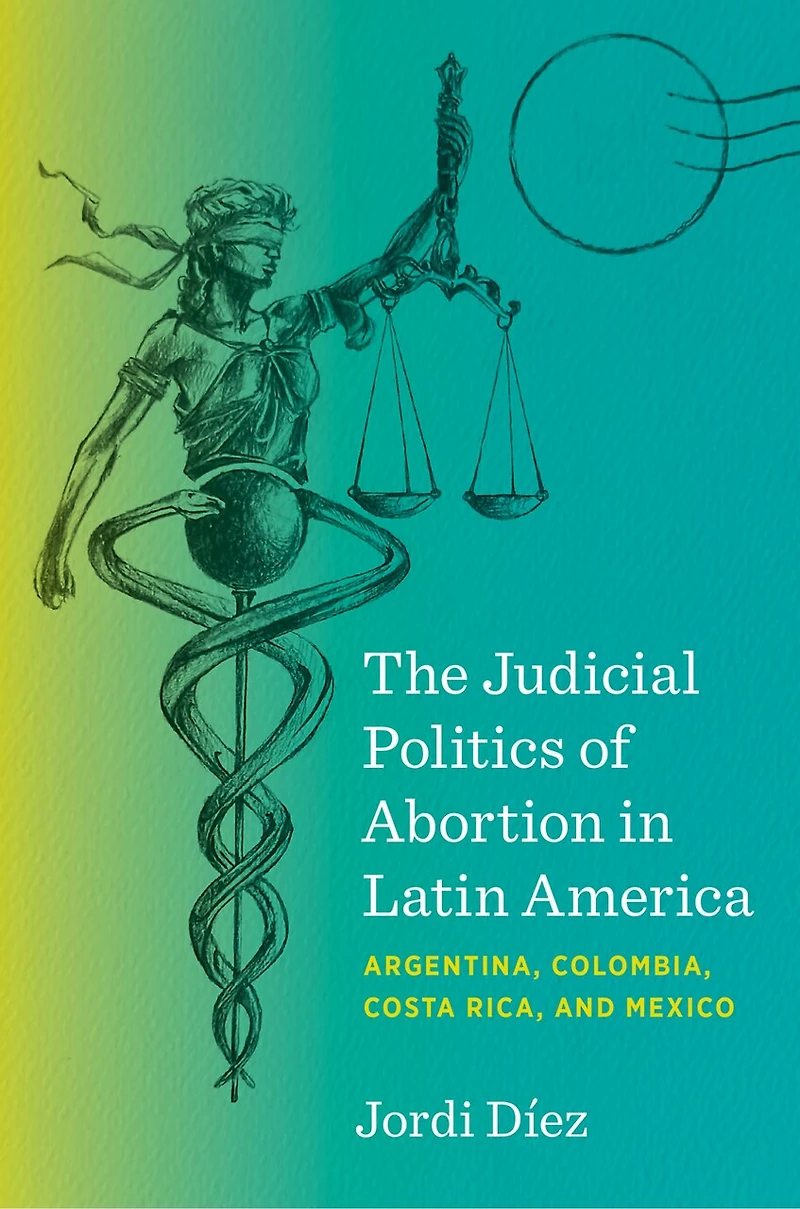
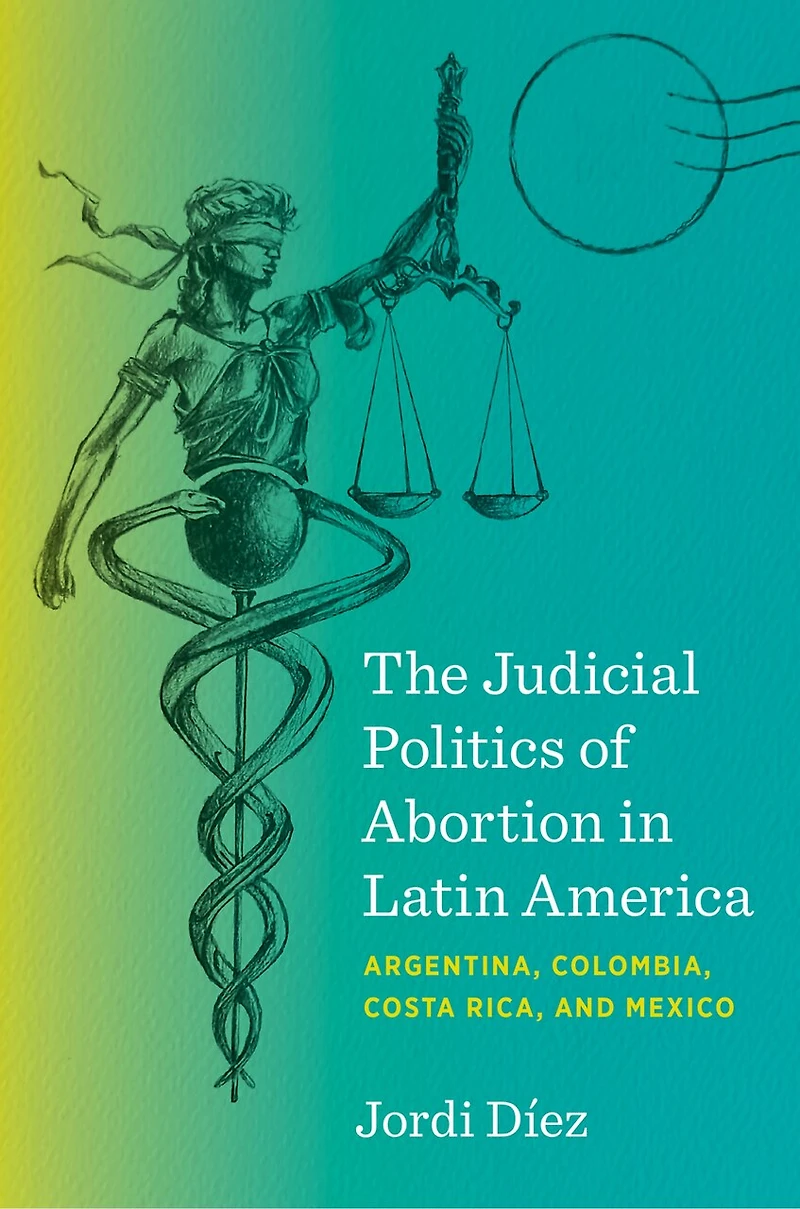
The Judicial Politics of Abortion Latin America: Argentina, Colombia, Costa Rica, and Mexico in Grande Prairie, AB
Current price: $133.95
Coles
The Judicial Politics of Abortion Latin America: Argentina, Colombia, Costa Rica, and Mexico in Grande Prairie, AB
Current price: $133.95
Loading Inventory...
Size: Hardcover
*Product information and pricing may vary - to confirm current pricing, availability, shipping, and return information please contact Coles. In the event of a pricing discrepancy, the retailer's price will apply.
Latin America has traditionally imposed the strictest limits on legal abortion in the democratic world, but over the last twenty years, constitutional courts across the region have issued important rulings on its regulation. In The Judicial Politics of Abortion in Latin America , Jordi Díez analyzes four landmark cases in Argentina, Colombia, Costa Rica, and Mexico. Based on research in all four countries, including interviews with high court justices and law clerks, Díez argues that the decisions' variance is explained by two main factors: justices' and law clerks' ability to assemble legal majorities in favor of reducing abortion restrictions, and each country’s unique political landscape. As debates about a woman’s right to choose unfold around the world, Díez offers important and timely lessons from Latin America.
Latin America has traditionally imposed the strictest limits on legal abortion in the democratic world, but over the last twenty years, constitutional courts across the region have issued important rulings on its regulation. In The Judicial Politics of Abortion in Latin America , Jordi Díez analyzes four landmark cases in Argentina, Colombia, Costa Rica, and Mexico. Based on research in all four countries, including interviews with high court justices and law clerks, Díez argues that the decisions' variance is explained by two main factors: justices' and law clerks' ability to assemble legal majorities in favor of reducing abortion restrictions, and each country’s unique political landscape. As debates about a woman’s right to choose unfold around the world, Díez offers important and timely lessons from Latin America.
You May Also Like















Find at Prairie Mall in Grande Prairie, AB
Visit at Prairie Mall in Grande Prairie, AB