


Gifting Made Simple
Give the Gift of ChoiceClick below to purchase a Prairie Mall eGift Card that can be used at participating retailers at Prairie Mall.Buy Gift CardHome
The Insistence of Art: Aesthetic Philosophy after Early Modernity
Coles
Loading Inventory...
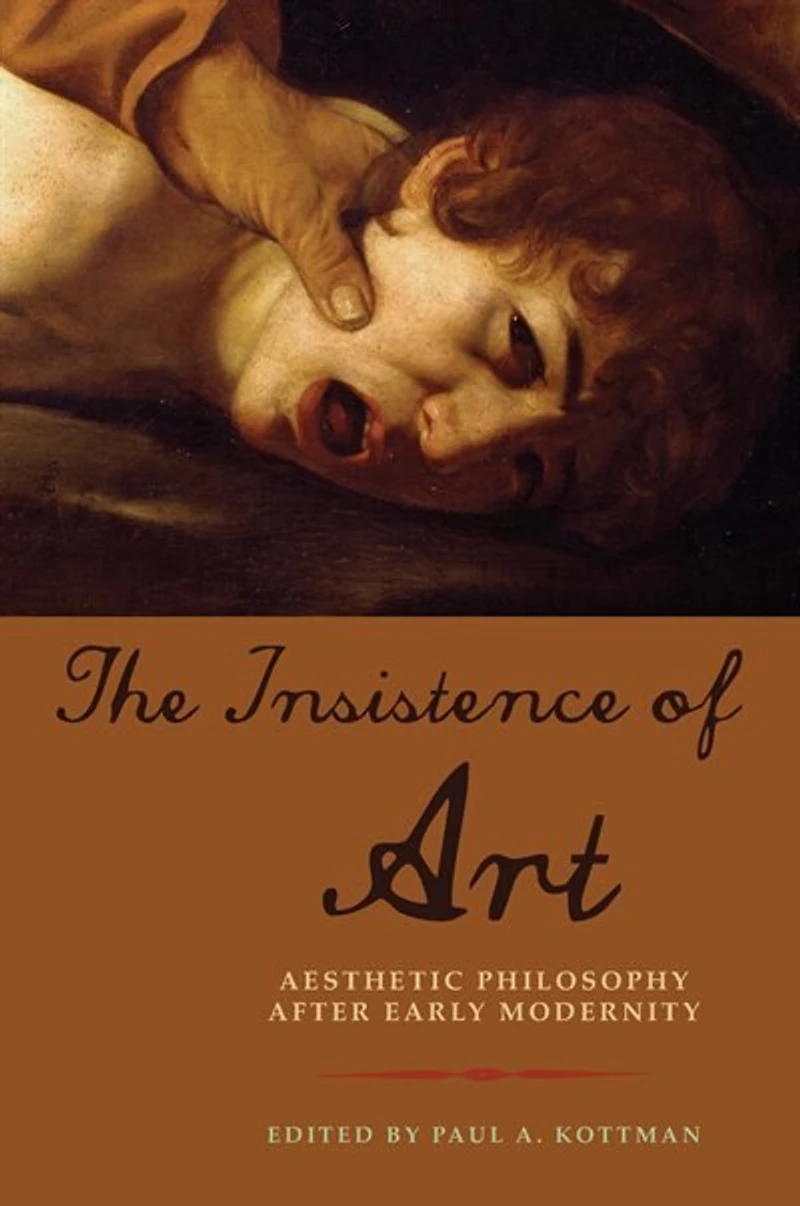
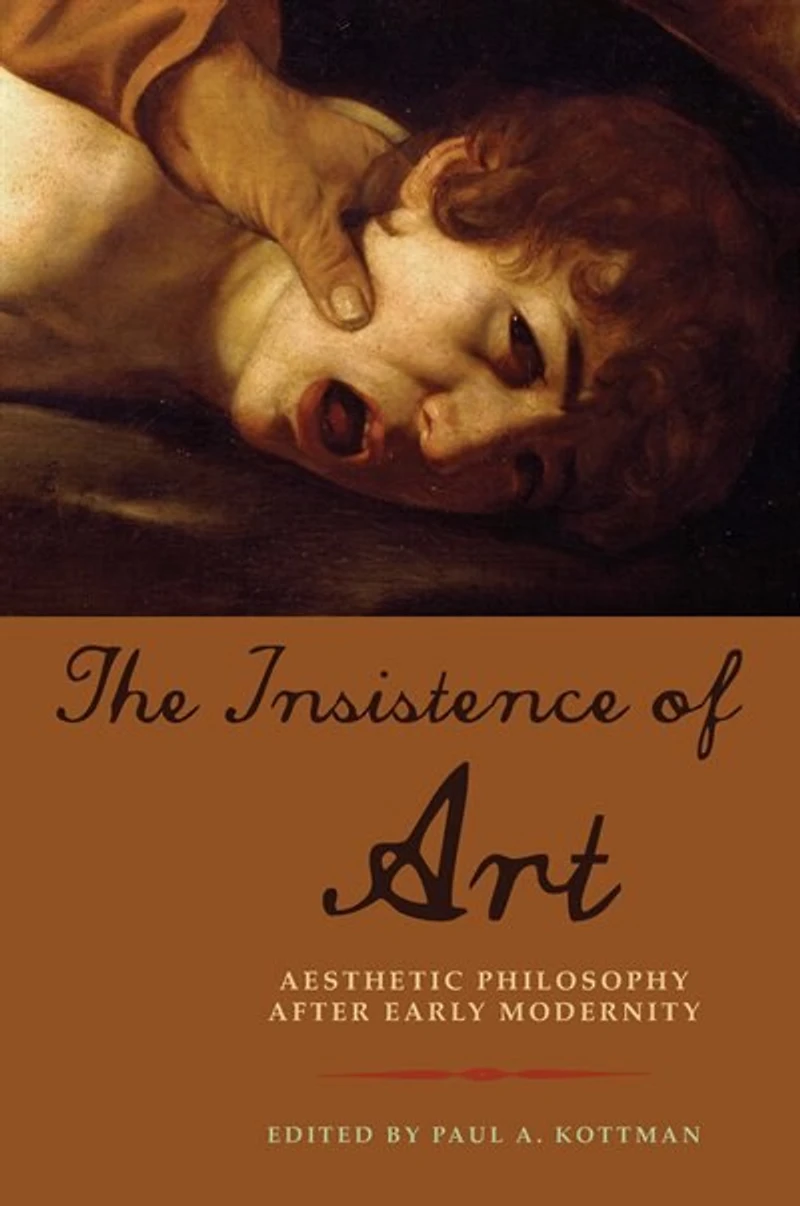
The Insistence of Art: Aesthetic Philosophy after Early Modernity in Grande Prairie, AB
Current price: $188.99
Coles
The Insistence of Art: Aesthetic Philosophy after Early Modernity in Grande Prairie, AB
Current price: $188.99
Loading Inventory...
Size: Hardcover
*Product information and pricing may vary - to confirm current pricing, availability, shipping, and return information please contact Coles. In the event of a pricing discrepancy, the retailer's price will apply.
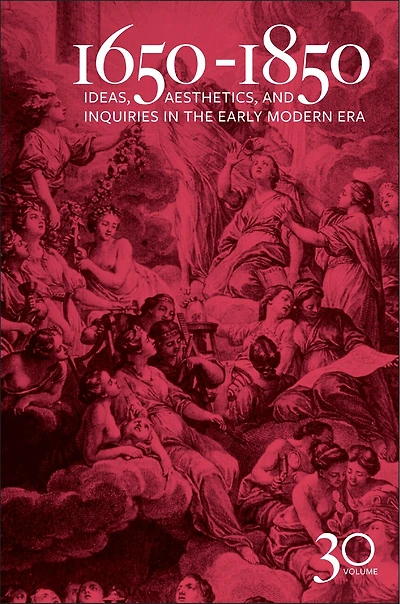
Philosophers working on aesthetics have paid considerable attention to art and artists of the early modern period. Yet early modern artistic practices scarcely figure in recent work on the emergence of aesthetics as a branch of philosophy over the course the eighteenth century. This book addresses that gap, elaborating the extent to which artworks and practices of the fifteenth through the eighteenth centuries were accompanied by an immense range of discussions about the arts and their relation to one another.
Rather than take art as a stand-in for or reflection of some other historical event or social phenomenon, this book treats art as a phenomenon in itself. The contributors suggest ways in which artworks and practices of the early modern period make aesthetic experience central to philosophical reflection, while also showing art’s need for philosophy.
Philosophers working on aesthetics have paid considerable attention to art and artists of the early modern period. Yet early modern artistic practices scarcely figure in recent work on the emergence of aesthetics as a branch of philosophy over the course the eighteenth century. This book addresses that gap, elaborating the extent to which artworks and practices of the fifteenth through the eighteenth centuries were accompanied by an immense range of discussions about the arts and their relation to one another.
Rather than take art as a stand-in for or reflection of some other historical event or social phenomenon, this book treats art as a phenomenon in itself. The contributors suggest ways in which artworks and practices of the early modern period make aesthetic experience central to philosophical reflection, while also showing art’s need for philosophy.
You May Also Like








Find at Prairie Mall in Grande Prairie, AB
Visit at Prairie Mall in Grande Prairie, AB