


Gifting Made Simple
Give the Gift of ChoiceClick below to purchase a Prairie Mall eGift Card that can be used at participating retailers at Prairie Mall.Buy Gift CardHome
The House of Seven Murders
Coles
Loading Inventory...
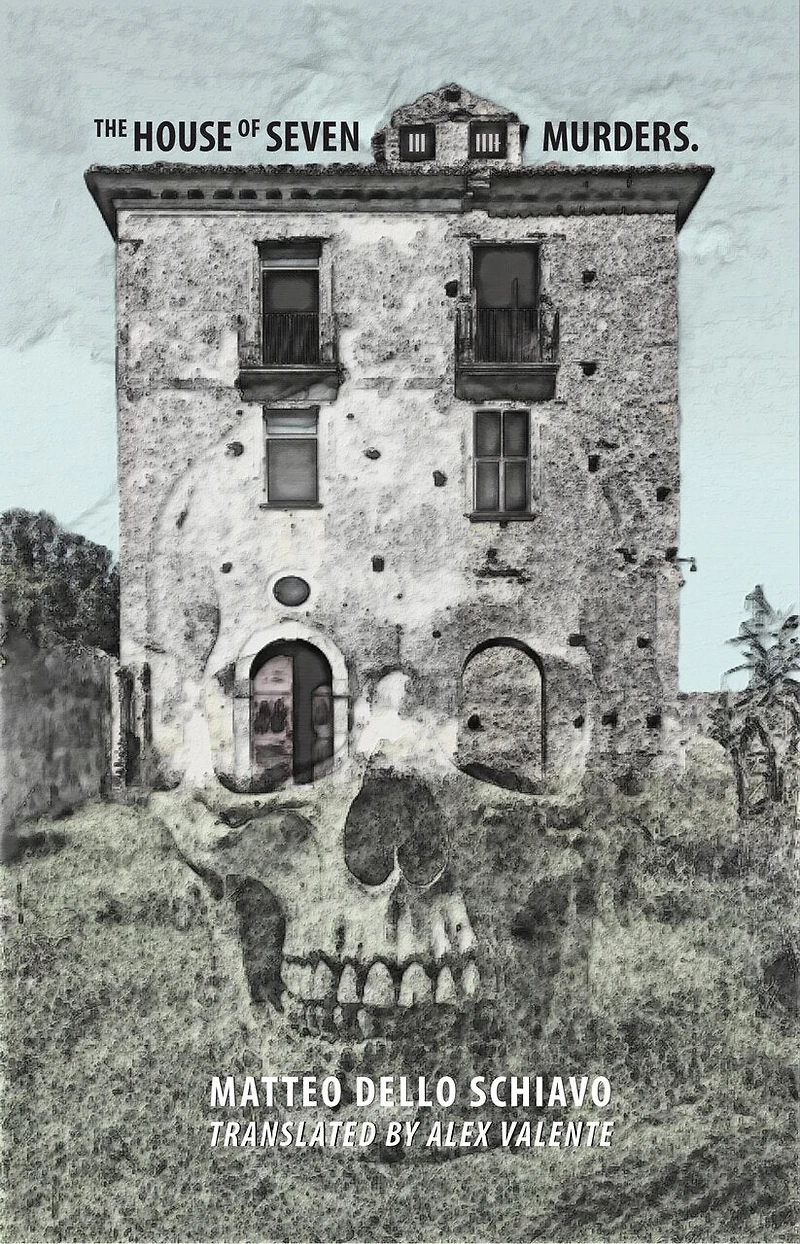
The House of Seven Murders in Grande Prairie, AB
Current price: $21.95
Coles
The House of Seven Murders in Grande Prairie, AB
Current price: $21.95
Loading Inventory...
Size: Paperback
*Product information and pricing may vary - to confirm current pricing, availability, shipping, and return information please contact Coles. In the event of a pricing discrepancy, the retailer's price will apply.
Two murders bookend the pitiable life of cobbler, Oreste Solimeno. The latter he merely witnesses from his cell, but brazenly, flagrantly ideological, the first renders him wrongly accused, convicted, and imprisoned. Two Giuseppes, hatchet-bearing farmworkers, perpetrate it, the instigator “Calabrese,” motivated entirely by class hatred. “’Look at them stuffing themselves,’ Calabrese would say, gesturing to the De Nicola family gathered for lunch. ‘We toil from dawn to dusk for a pittance, and Rosario gets rich on our labour.’” They proceed to hatchet to death both women and children in the house of seven murders, then search for a non-existent 30,000 lira, the illusory blood money of communist ideology.
The second murder is committed by black-shirted fascist prison guards, carried out against a young socialist agitator. Oreste Solimeno sees the beating administered by a lead pipe; the guards see him and report it, but the authorities decide to treat him as a long-term lunatic. Two sets of brutal murders in the 1920s that symbolize the ideological horror of that inter-war period, communism, fascism, with Italy itself, like Oreste Solimeno, caught inexorably in the middle, distrusted, smeared by accusations of mafia affiliations, a true WOP – person “without papers” – consigned, as many Italian Canadian immigrants would know and understand, to a perpetual internment camp.
Two murders bookend the pitiable life of cobbler, Oreste Solimeno. The latter he merely witnesses from his cell, but brazenly, flagrantly ideological, the first renders him wrongly accused, convicted, and imprisoned. Two Giuseppes, hatchet-bearing farmworkers, perpetrate it, the instigator “Calabrese,” motivated entirely by class hatred. “’Look at them stuffing themselves,’ Calabrese would say, gesturing to the De Nicola family gathered for lunch. ‘We toil from dawn to dusk for a pittance, and Rosario gets rich on our labour.’” They proceed to hatchet to death both women and children in the house of seven murders, then search for a non-existent 30,000 lira, the illusory blood money of communist ideology.
The second murder is committed by black-shirted fascist prison guards, carried out against a young socialist agitator. Oreste Solimeno sees the beating administered by a lead pipe; the guards see him and report it, but the authorities decide to treat him as a long-term lunatic. Two sets of brutal murders in the 1920s that symbolize the ideological horror of that inter-war period, communism, fascism, with Italy itself, like Oreste Solimeno, caught inexorably in the middle, distrusted, smeared by accusations of mafia affiliations, a true WOP – person “without papers” – consigned, as many Italian Canadian immigrants would know and understand, to a perpetual internment camp.








Find at Prairie Mall in Grande Prairie, AB
Visit at Prairie Mall in Grande Prairie, AB