


Gifting Made Simple
Give the Gift of ChoiceClick below to purchase a Prairie Mall eGift Card that can be used at participating retailers at Prairie Mall.Buy Gift CardHome
The Historical Performance of Federal Reserve: Importance Rules
Coles
Loading Inventory...
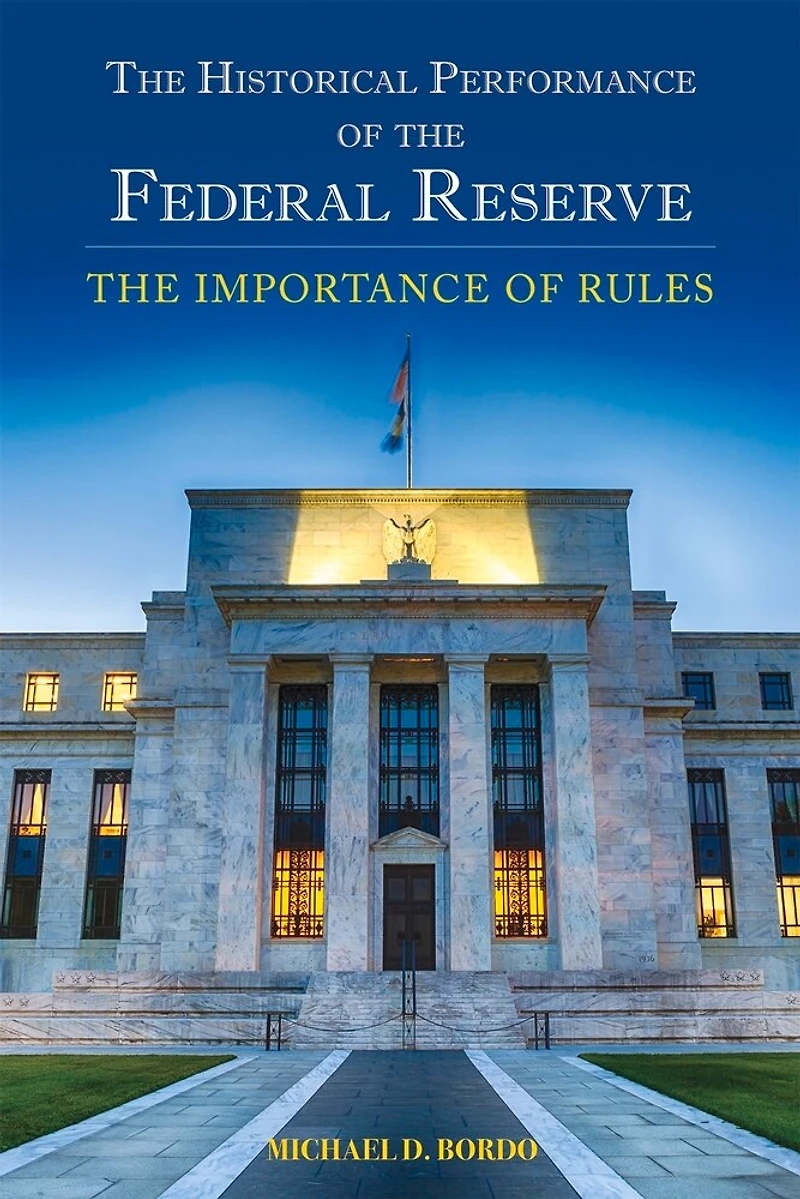
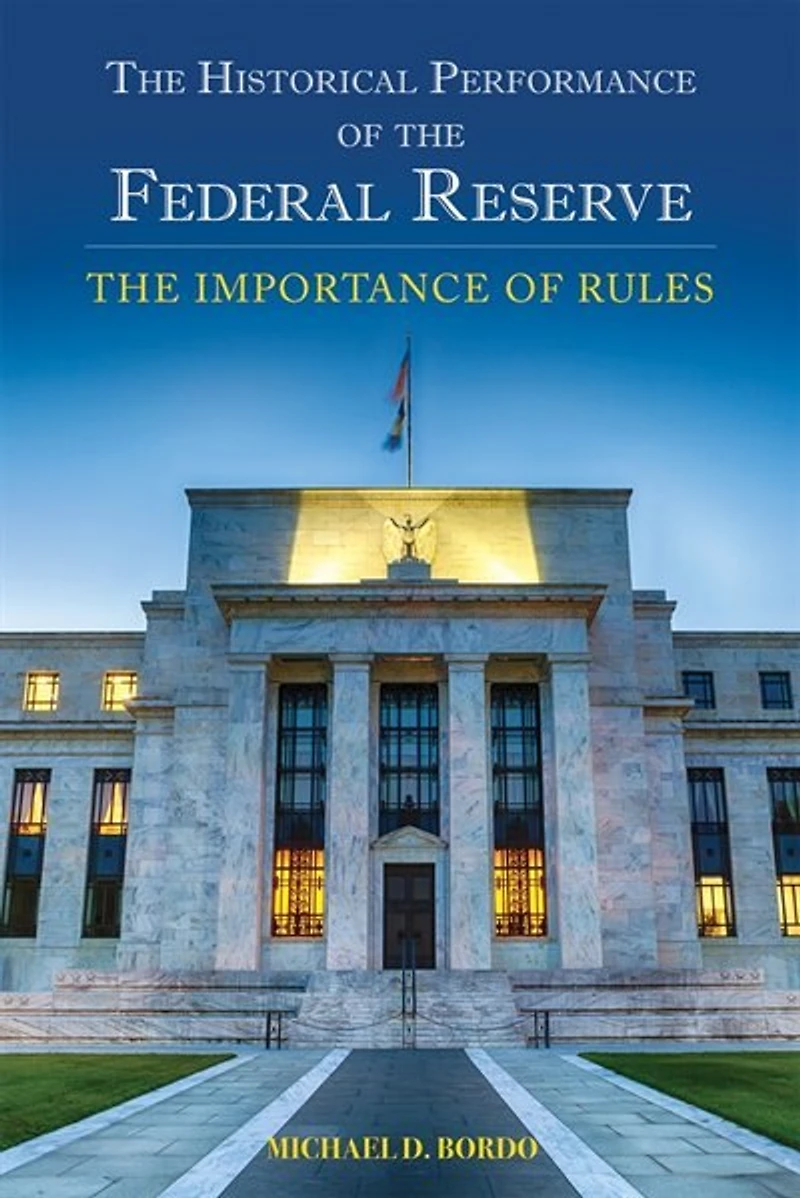
The Historical Performance of Federal Reserve: Importance Rules
By None
Current price: $53.95
Coles
The Historical Performance of Federal Reserve: Importance Rules
By None
Current price: $53.95
Loading Inventory...
Size: Hardcover (2019 A)
*Product information and pricing may vary - to confirm current pricing, availability, shipping, and return information please contact Coles. In the event of a pricing discrepancy, the retailer's price will apply.
Distinguished economist Michael D. Bordo argues for the importance of monetary stability and monetary rules, offering theoretical, empirical, and historical perspectives to support his case. He shows how the pursuit of stable monetary policy guided by central banks following rule-like behavior produces low and stable inflation, stable real performance, and encourages financial stability. In contrast, he explains how the failure to adhere to rules that produce monetary stability will inevitably produce the dire consequences of real, nominal, and financial instability. Bordo also examines the performance of the Federal Reserve and he reviews the history of monetary policy during the Great Depression.
Distinguished economist Michael D. Bordo argues for the importance of monetary stability and monetary rules, offering theoretical, empirical, and historical perspectives to support his case. He shows how the pursuit of stable monetary policy guided by central banks following rule-like behavior produces low and stable inflation, stable real performance, and encourages financial stability. In contrast, he explains how the failure to adhere to rules that produce monetary stability will inevitably produce the dire consequences of real, nominal, and financial instability. Bordo also examines the performance of the Federal Reserve and he reviews the history of monetary policy during the Great Depression.
You May Also Like









More About Coles at Prairie Mall
11801 100 St #104, Grande Prairie, AB T8V 3Y2, Canada
Find Coles at Prairie Mall in Grande Prairie, AB
Visit Coles at Prairie Mall in Grande Prairie, AB