


Gifting Made Simple
Give the Gift of ChoiceClick below to purchase a Prairie Mall eGift Card that can be used at participating retailers at Prairie Mall.Buy Gift CardHome
The Hidden Tier of Social Services: Frontline Workers' Provision of Informal Resources in the Public, Nonprofit, and Private Sectors
Coles
Loading Inventory...
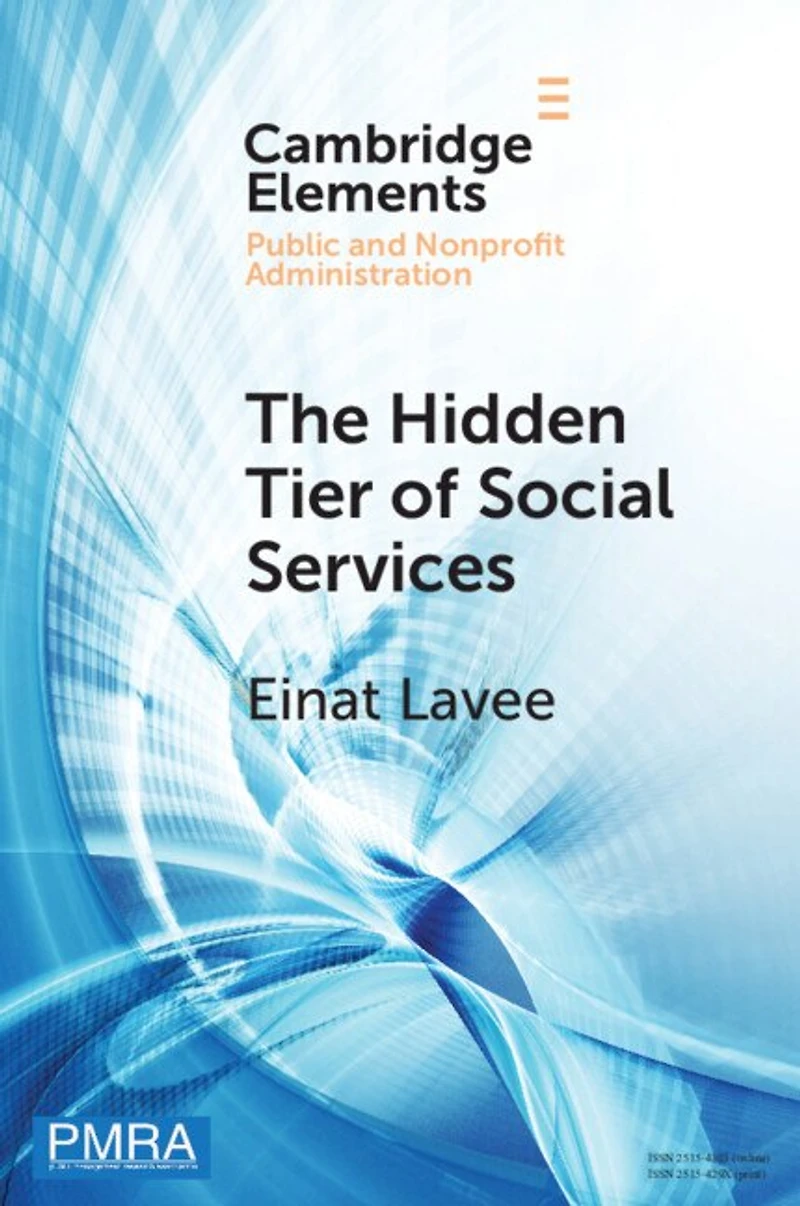
The Hidden Tier of Social Services: Frontline Workers' Provision of Informal Resources in the Public, Nonprofit, and Private Sectors in Grande Prairie, AB
Current price: $29.54
Coles
The Hidden Tier of Social Services: Frontline Workers' Provision of Informal Resources in the Public, Nonprofit, and Private Sectors in Grande Prairie, AB
Current price: $29.54
Loading Inventory...
Size: Paperback
*Product information and pricing may vary - to confirm current pricing, availability, shipping, and return information please contact Coles. In the event of a pricing discrepancy, the retailer's price will apply.
What do frontline social service providers do during client interactions when they lack adequate formal organizational resources to respond to clients' needs? To answer this question, this Element presents two large-scale qualitative studies of Israeli frontline providers of social services. Drawing on interviews of public-sector workers (Study 1, N=214), it introduces a widespread phenomenon, where the vast majority of frontline workers regularly provide a large range of informal personal resources (IFRs) to clients. Study 2 (N=84) then compares IFR provision between workers from the public, nonprofit and private sectors. The comparative analysis demonstrates how workers' rationale for providing personal resources to clients is shaped by particular role perceptions embedded in values, norms and behavioral expectations that vary by employment sector. The Element concludes by presenting ramifications of the phenomenon of IFR provision in terms of citizens' wellbeing, social inequality, gender relations and the future of work in public administration.
What do frontline social service providers do during client interactions when they lack adequate formal organizational resources to respond to clients' needs? To answer this question, this Element presents two large-scale qualitative studies of Israeli frontline providers of social services. Drawing on interviews of public-sector workers (Study 1, N=214), it introduces a widespread phenomenon, where the vast majority of frontline workers regularly provide a large range of informal personal resources (IFRs) to clients. Study 2 (N=84) then compares IFR provision between workers from the public, nonprofit and private sectors. The comparative analysis demonstrates how workers' rationale for providing personal resources to clients is shaped by particular role perceptions embedded in values, norms and behavioral expectations that vary by employment sector. The Element concludes by presenting ramifications of the phenomenon of IFR provision in terms of citizens' wellbeing, social inequality, gender relations and the future of work in public administration.
You May Also Like



















Find at Prairie Mall in Grande Prairie, AB
Visit at Prairie Mall in Grande Prairie, AB