


Gifting Made Simple
Give the Gift of ChoiceClick below to purchase a Prairie Mall eGift Card that can be used at participating retailers at Prairie Mall.Buy Gift CardHome
The German Poetry of Paul Fleming: Studies in Genre and History
Coles
Loading Inventory...
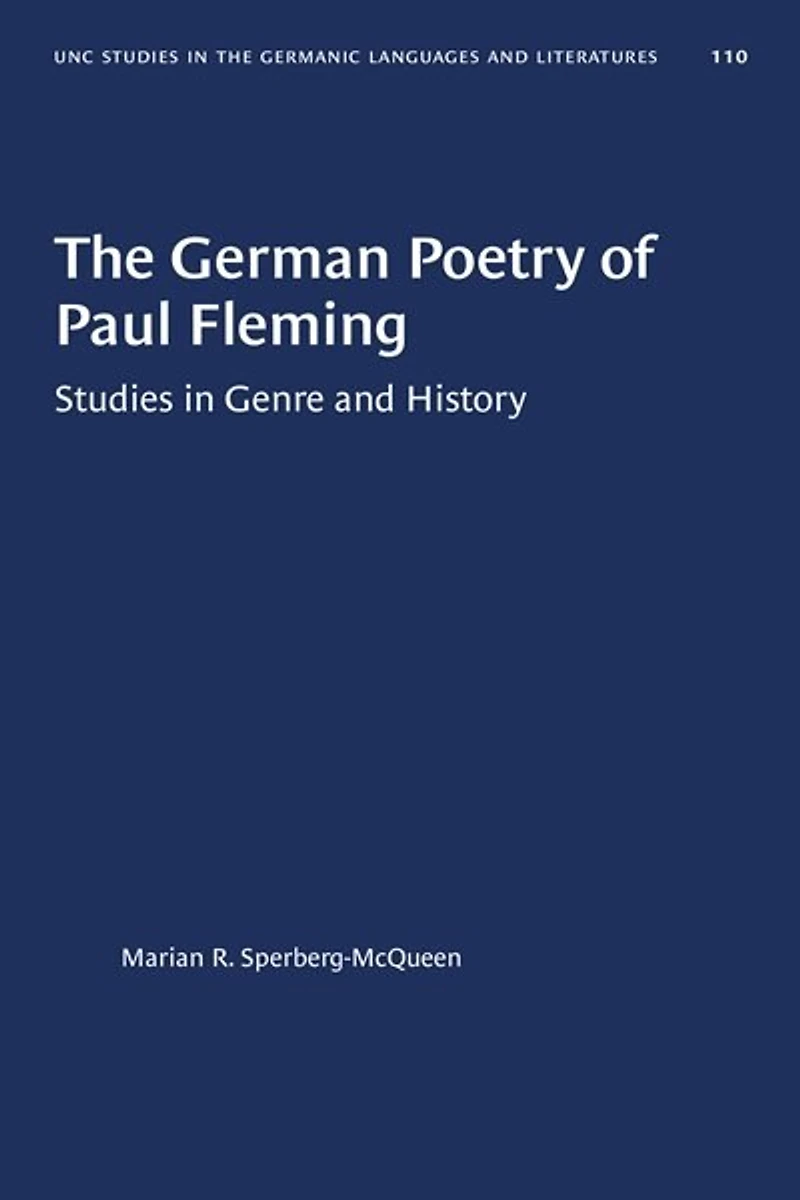
The German Poetry of Paul Fleming: Studies in Genre and History in Grande Prairie, AB
Current price: $35.95
Coles
The German Poetry of Paul Fleming: Studies in Genre and History in Grande Prairie, AB
Current price: $35.95
Loading Inventory...
Size: Paperback
*Product information and pricing may vary - to confirm current pricing, availability, shipping, and return information please contact Coles. In the event of a pricing discrepancy, the retailer's price will apply.
This study reassesses the poetry of Paul Fleming (1609–1640) in the context of its own literary, historical, and social background. The four chapters focus initially on generic and historical context. The study of selected texts leads to more general considerations of the sources and significance of certain major themes. A number of poems by Fleming and poets contemporary with him uncovered in the twentieth century are evaluated here for the first time.
The result is a substantially revised view of Fleming’s poetic development. Fleming is shown to have been a more complex and wide-ranging poet than was conventionally thought, one whose debt to Renaissance literary traditions has been underestimated.
This study reassesses the poetry of Paul Fleming (1609–1640) in the context of its own literary, historical, and social background. The four chapters focus initially on generic and historical context. The study of selected texts leads to more general considerations of the sources and significance of certain major themes. A number of poems by Fleming and poets contemporary with him uncovered in the twentieth century are evaluated here for the first time.
The result is a substantially revised view of Fleming’s poetic development. Fleming is shown to have been a more complex and wide-ranging poet than was conventionally thought, one whose debt to Renaissance literary traditions has been underestimated.
You May Also Like












Find at Prairie Mall in Grande Prairie, AB
Visit at Prairie Mall in Grande Prairie, AB