


Gifting Made Simple
Give the Gift of ChoiceClick below to purchase a Prairie Mall eGift Card that can be used at participating retailers at Prairie Mall.Buy Gift CardHome
the Gateway to Pacific: Japanese Americans and Remaking of San Francisco
Coles
Loading Inventory...
the Gateway to Pacific: Japanese Americans and Remaking of San Francisco in Grande Prairie, AB
Current price: $41.29
Original price: $51.56
Coles
the Gateway to Pacific: Japanese Americans and Remaking of San Francisco in Grande Prairie, AB
Current price: $41.29
Original price: $51.56
Loading Inventory...
Size: Kobo eBook
*Product information and pricing may vary - to confirm current pricing, availability, shipping, and return information please contact Coles. In the event of a pricing discrepancy, the retailer's price will apply.
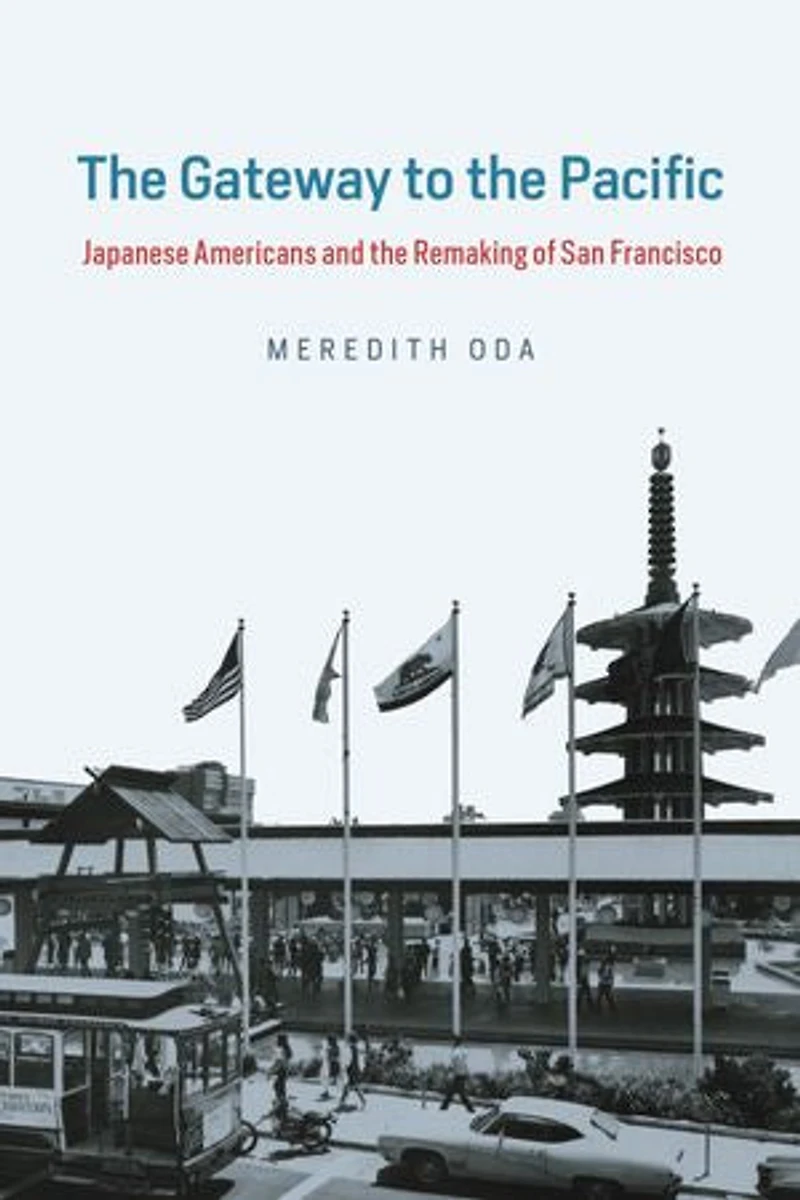
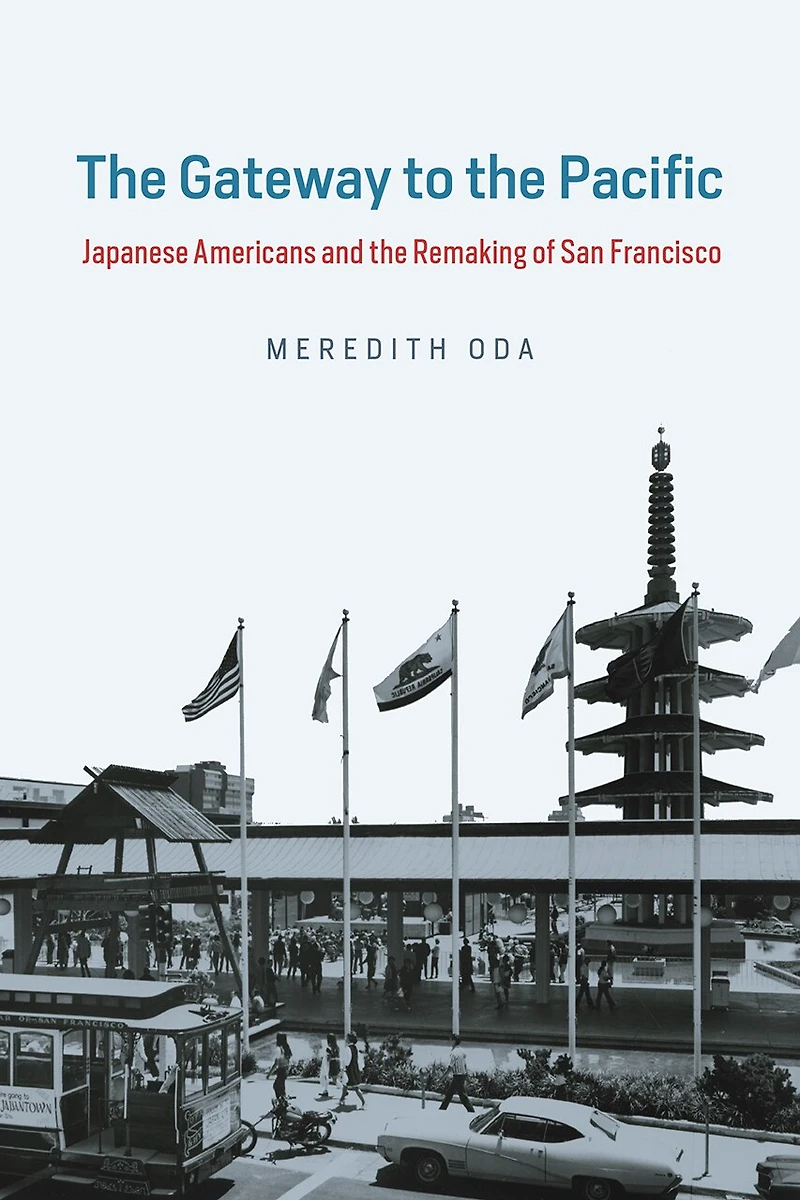
In the decades following World War II, municipal leaders and ordinary citizens embraced San Francisco’s identity as the “Gateway to the Pacific,” using it to reimagine and rebuild the city. The city became a cosmopolitan center on account of its newfound celebration of its Japanese and other Asian American residents, its economy linked with Asia, and its favorable location for transpacific partnerships. The most conspicuous testament to San Francisco’s postwar transpacific connections is the Japanese Cultural and Trade Center in the city’s redeveloped Japanese-American enclave.
Focusing on the development of the Center, Meredith Oda shows how this multilayered story was embedded within a larger story of the changing institutions and ideas that were shaping the city. During these formative decades, Oda argues, San Francisco’s relations with and ideas about Japan were being forged within the intimate, local sites of civic and community life. This shift took many forms, including changes in city leadership, new municipal institutions, and especially transformations in the built environment. Newly friendly relations between Japan and the United States also meant that Japanese Americans found fresh, if highly constrained, job and community prospects just as the city’s African Americans struggled against rising barriers. San Francisco’s story is an inherently local one, but it also a broader story of a city collectively, if not cooperatively, reimagining its place in a global economy.
In the decades following World War II, municipal leaders and ordinary citizens embraced San Francisco’s identity as the “Gateway to the Pacific,” using it to reimagine and rebuild the city. The city became a cosmopolitan center on account of its newfound celebration of its Japanese and other Asian American residents, its economy linked with Asia, and its favorable location for transpacific partnerships. The most conspicuous testament to San Francisco’s postwar transpacific connections is the Japanese Cultural and Trade Center in the city’s redeveloped Japanese-American enclave.
Focusing on the development of the Center, Meredith Oda shows how this multilayered story was embedded within a larger story of the changing institutions and ideas that were shaping the city. During these formative decades, Oda argues, San Francisco’s relations with and ideas about Japan were being forged within the intimate, local sites of civic and community life. This shift took many forms, including changes in city leadership, new municipal institutions, and especially transformations in the built environment. Newly friendly relations between Japan and the United States also meant that Japanese Americans found fresh, if highly constrained, job and community prospects just as the city’s African Americans struggled against rising barriers. San Francisco’s story is an inherently local one, but it also a broader story of a city collectively, if not cooperatively, reimagining its place in a global economy.
You May Also Like











Find at Prairie Mall in Grande Prairie, AB
Visit at Prairie Mall in Grande Prairie, AB