


Gifting Made Simple
Give the Gift of ChoiceClick below to purchase a Prairie Mall eGift Card that can be used at participating retailers at Prairie Mall.Buy Gift CardHome
The Future of Plant Protein: Innovations, Challenges, and Opportunities
Coles
Loading Inventory...
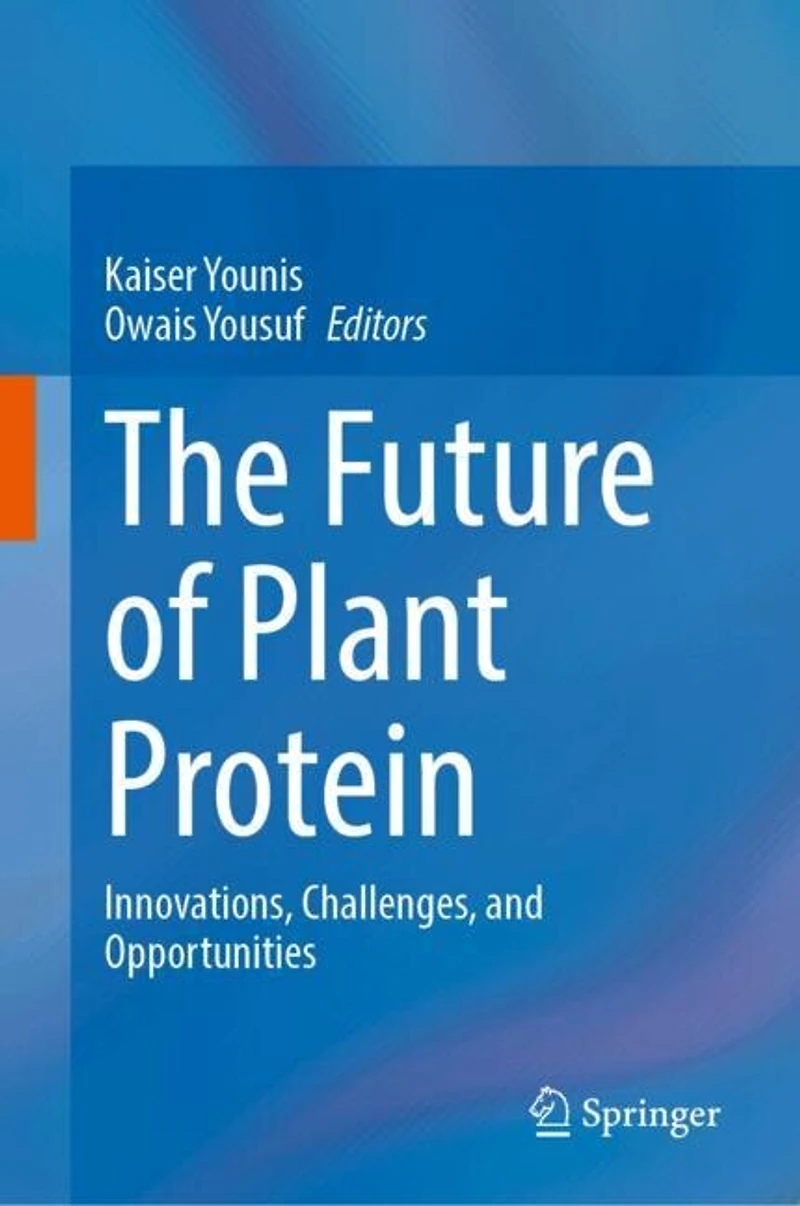
The Future of Plant Protein: Innovations, Challenges, and Opportunities in Grande Prairie, AB
Current price: $291.95
Coles
The Future of Plant Protein: Innovations, Challenges, and Opportunities in Grande Prairie, AB
Current price: $291.95
Loading Inventory...
Size: Hardcover
*Product information and pricing may vary - to confirm current pricing, availability, shipping, and return information please contact Coles. In the event of a pricing discrepancy, the retailer's price will apply.
This book presents plant proteins as sustainable and healthy substitutes for animal proteins, highlighting innovations, challenges, and opportunities. Chapters cover emerging sources like duckweed, microalgae, quinoa, and hemp, comparing their nutritional aspects with traditional sources such as soybeans, beans, and nuts. Further chapters not only discuss the environmental impact, production methods, and potential applications of plant protein but also address barriers like consumer perception, affordability, and distribution. The book provides solutions from plant-based food companies to these challenges, tackling the rising global demand driven by population growth, income increase, urbanization, environmental awareness, health consciousness, and animal welfare concerns. Overall, it provides a summary of plant proteins, exploring their nutritional, environmental, and consumer-related aspects in the context of a shifting protein landscape. The book is relevant forfood scientists and technologists, nutritionists, policymakers, and professionals alike providing insights into plant-based diets and the future of food.
This book presents plant proteins as sustainable and healthy substitutes for animal proteins, highlighting innovations, challenges, and opportunities. Chapters cover emerging sources like duckweed, microalgae, quinoa, and hemp, comparing their nutritional aspects with traditional sources such as soybeans, beans, and nuts. Further chapters not only discuss the environmental impact, production methods, and potential applications of plant protein but also address barriers like consumer perception, affordability, and distribution. The book provides solutions from plant-based food companies to these challenges, tackling the rising global demand driven by population growth, income increase, urbanization, environmental awareness, health consciousness, and animal welfare concerns. Overall, it provides a summary of plant proteins, exploring their nutritional, environmental, and consumer-related aspects in the context of a shifting protein landscape. The book is relevant forfood scientists and technologists, nutritionists, policymakers, and professionals alike providing insights into plant-based diets and the future of food.
You May Also Like













Find at Prairie Mall in Grande Prairie, AB
Visit at Prairie Mall in Grande Prairie, AB