


Gifting Made Simple
Give the Gift of ChoiceClick below to purchase a Prairie Mall eGift Card that can be used at participating retailers at Prairie Mall.Buy Gift CardHome
The Fragmentation of Aid: Concepts, Measurements and Implications for Development Cooperation
Coles
Loading Inventory...
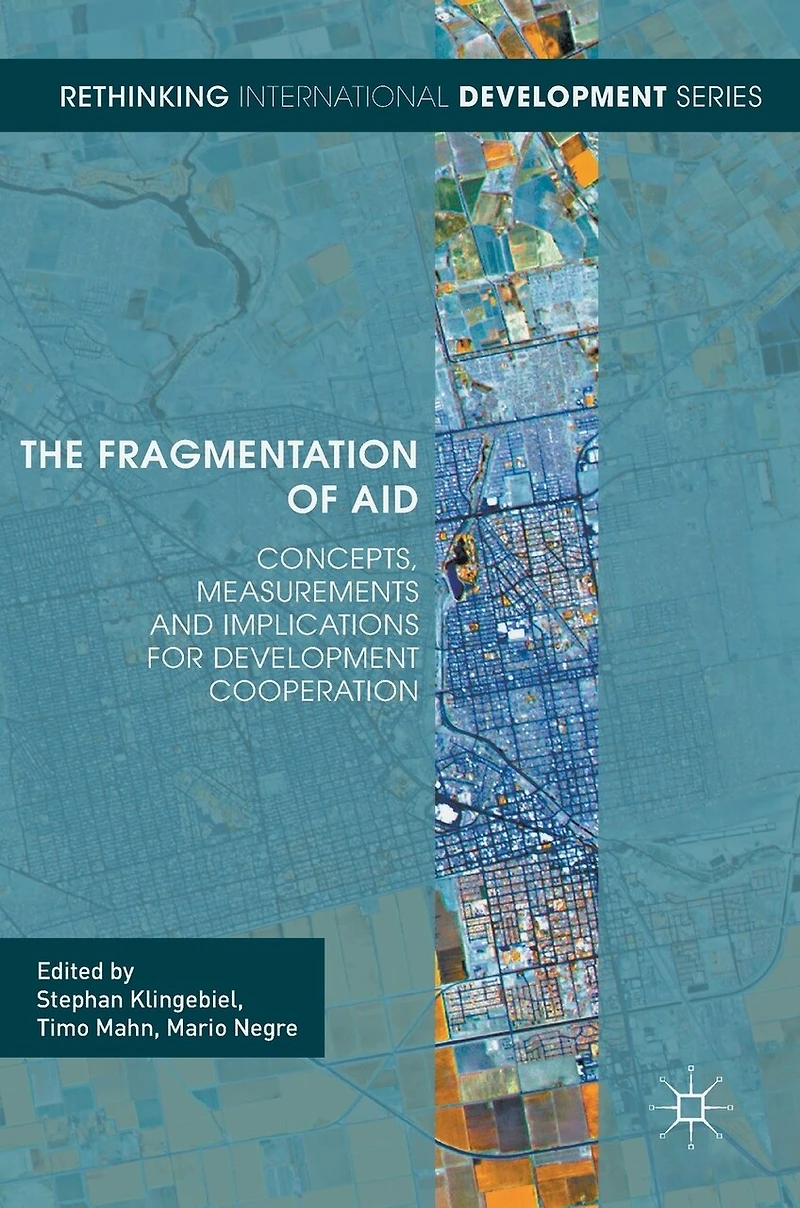
The Fragmentation of Aid: Concepts, Measurements and Implications for Development Cooperation in Grande Prairie, AB
Current price: $233.95
Coles
The Fragmentation of Aid: Concepts, Measurements and Implications for Development Cooperation in Grande Prairie, AB
Current price: $233.95
Loading Inventory...
Size: Hardcover
*Product information and pricing may vary - to confirm current pricing, availability, shipping, and return information please contact Coles. In the event of a pricing discrepancy, the retailer's price will apply.
This edited volume provides an assessment of an increasingly fragmented aid system. Development cooperation is fundamentally changing its character in the wake of global economic and political transformations and an ongoing debate about what constitutes, and how best to achieve, global development. This also has important implications for the setup of the aid architecture. The increasing number of donors and other actors as well as goals and instruments has created an environment that is increasingly difficult to manoeuvre. Critics describe today's aid architecture as 'fragmented': inefficient, overly complex and rigid in adapting to the dynamic landscape of international cooperation. By analysing the actions of donors and new development actors, this book gives important insights into how and why the aid architecture has moved in this direction. The contributors also discuss the associated costs, but also potential benefits of a diverse aid system, and provide someconcrete options for the way forward.
This edited volume provides an assessment of an increasingly fragmented aid system. Development cooperation is fundamentally changing its character in the wake of global economic and political transformations and an ongoing debate about what constitutes, and how best to achieve, global development. This also has important implications for the setup of the aid architecture. The increasing number of donors and other actors as well as goals and instruments has created an environment that is increasingly difficult to manoeuvre. Critics describe today's aid architecture as 'fragmented': inefficient, overly complex and rigid in adapting to the dynamic landscape of international cooperation. By analysing the actions of donors and new development actors, this book gives important insights into how and why the aid architecture has moved in this direction. The contributors also discuss the associated costs, but also potential benefits of a diverse aid system, and provide someconcrete options for the way forward.
You May Also Like










Find at Prairie Mall in Grande Prairie, AB
Visit at Prairie Mall in Grande Prairie, AB