


Gifting Made Simple
Give the Gift of ChoiceClick below to purchase a Prairie Mall eGift Card that can be used at participating retailers at Prairie Mall.Buy Gift CardHome
The Films of Luis Bunuel: Subjectivity and Desire
Coles
Loading Inventory...
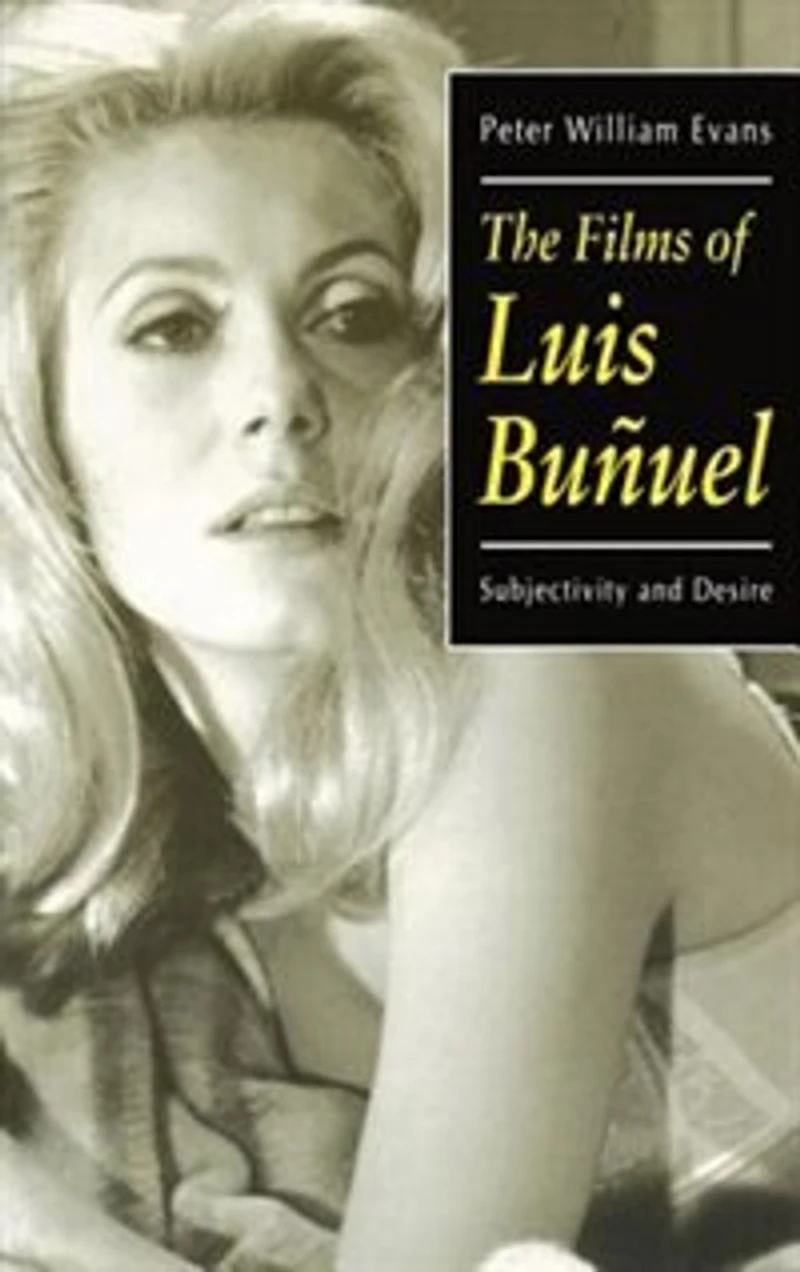
The Films of Luis Bunuel: Subjectivity and Desire in Grande Prairie, AB
Current price: $182.95
Coles
The Films of Luis Bunuel: Subjectivity and Desire in Grande Prairie, AB
Current price: $182.95
Loading Inventory...
Size: Paperback
*Product information and pricing may vary - to confirm current pricing, availability, shipping, and return information please contact Coles. In the event of a pricing discrepancy, the retailer's price will apply.
This is a major new study of the films of Luis Bunuel, surrealist scourge of the bourgeoisie and enduring influence on European cinema.
Uniquely, the book offers an extended analysis of Bunuel''s films in the context of contemporary debates in film studies, focusing in particular on questions of subjectivity and desire. Throughout, Bunuel''s films are viewed as both the brilliant, subversive expressions of the director''s fantasies
and obsessions and as reflections of wider cultural norms and preoccupations. Making use of psychoanalysis and gender theory, Peter Evans explores Bunuel''s characteristic thematics of transgression and his status as exile or outsider. The whole range of his work is discussed, from the critically
neglected `bread and butter'' Mexican melodramas of the 1950s to such classics of European cinema as The Discreet Charm of the Bourgeoisie, That Obscure Object of Desire, and Belle de Jour.
Accessible, lively, and compelling, The Films of Luis Bunuel provides a much-needed revaluation of one of the world''s greatest film-makers.
This is a major new study of the films of Luis Bunuel, surrealist scourge of the bourgeoisie and enduring influence on European cinema.
Uniquely, the book offers an extended analysis of Bunuel''s films in the context of contemporary debates in film studies, focusing in particular on questions of subjectivity and desire. Throughout, Bunuel''s films are viewed as both the brilliant, subversive expressions of the director''s fantasies
and obsessions and as reflections of wider cultural norms and preoccupations. Making use of psychoanalysis and gender theory, Peter Evans explores Bunuel''s characteristic thematics of transgression and his status as exile or outsider. The whole range of his work is discussed, from the critically
neglected `bread and butter'' Mexican melodramas of the 1950s to such classics of European cinema as The Discreet Charm of the Bourgeoisie, That Obscure Object of Desire, and Belle de Jour.
Accessible, lively, and compelling, The Films of Luis Bunuel provides a much-needed revaluation of one of the world''s greatest film-makers.
You May Also Like








Find at Prairie Mall in Grande Prairie, AB
Visit at Prairie Mall in Grande Prairie, AB