


Gifting Made Simple
Give the Gift of ChoiceClick below to purchase a Prairie Mall eGift Card that can be used at participating retailers at Prairie Mall.Buy Gift CardHome
The Film Archipelago: Islands Latin American Cinema
Coles
Loading Inventory...
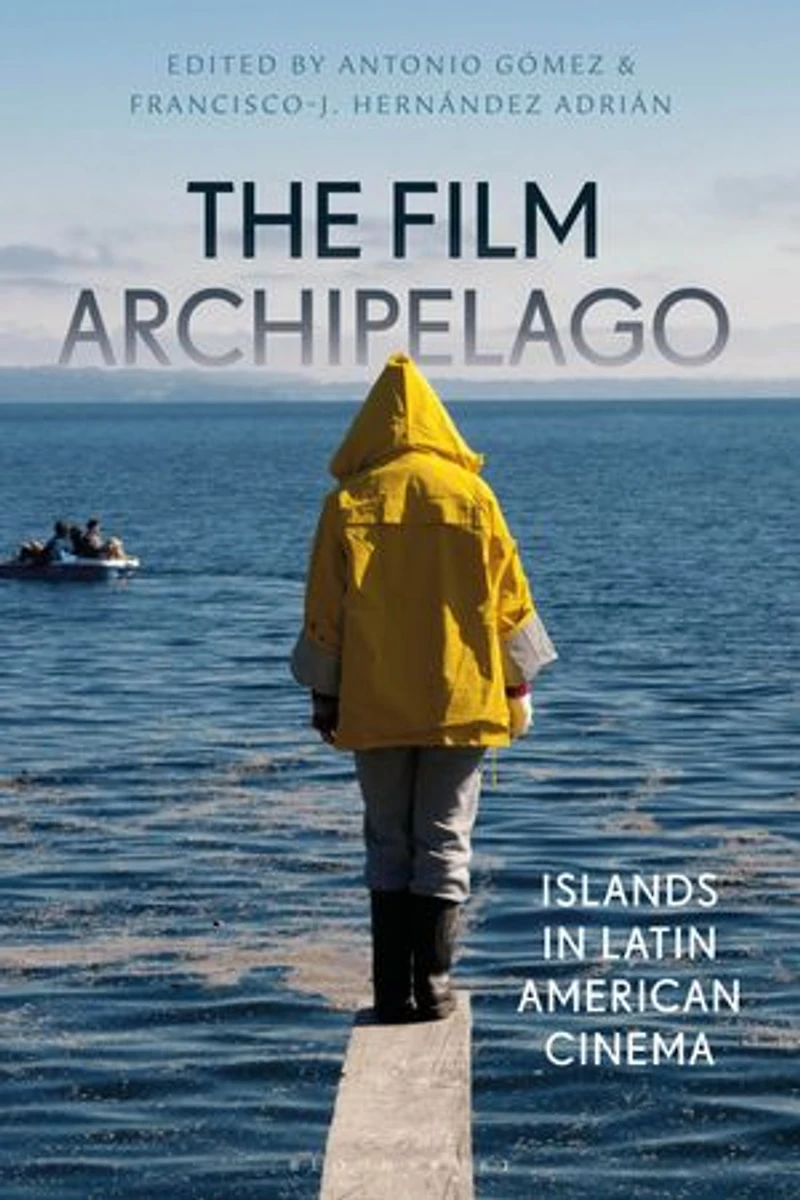
The Film Archipelago: Islands Latin American Cinema in Grande Prairie, AB
Current price: $43.19
Original price: $53.95
Coles
The Film Archipelago: Islands Latin American Cinema in Grande Prairie, AB
Current price: $43.19
Original price: $53.95
Loading Inventory...
Size: Kobo eBook
*Product information and pricing may vary - to confirm current pricing, availability, shipping, and return information please contact Coles. In the event of a pricing discrepancy, the retailer's price will apply.
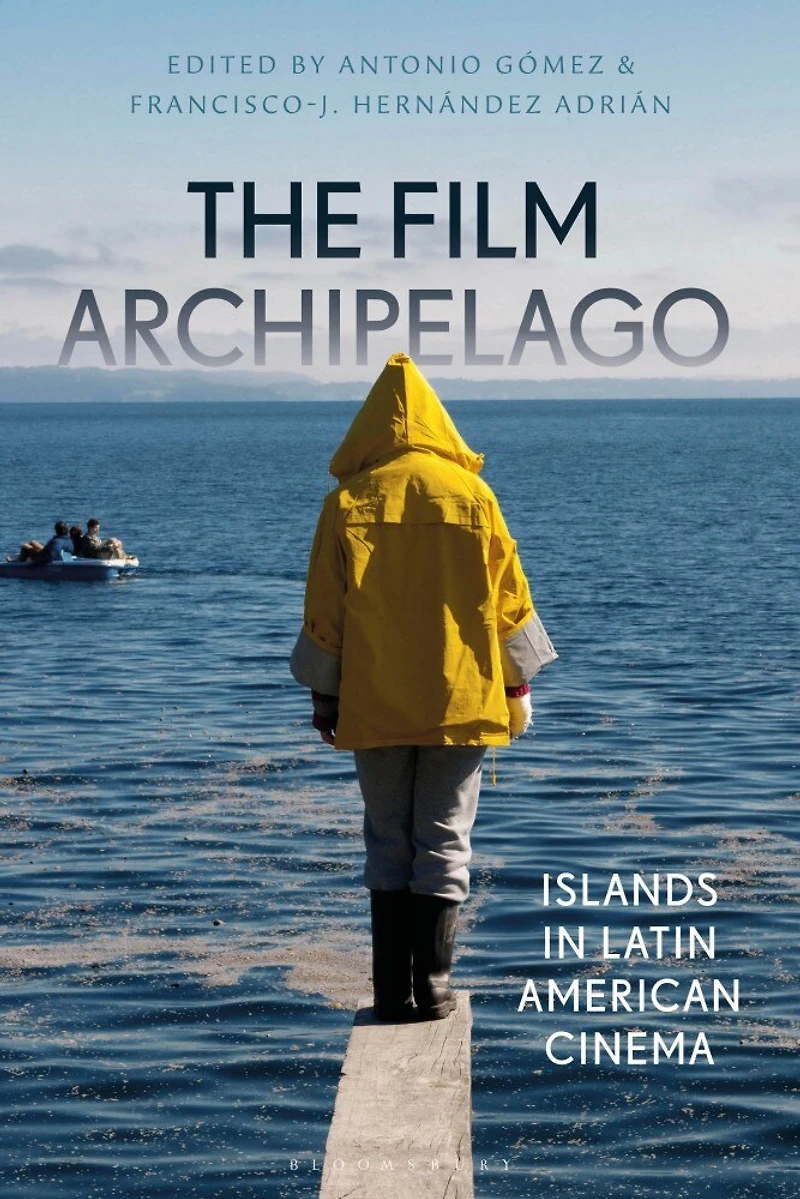
How do the islands and archipelagos of the New World figure in Latin American cinema? Comprising 15 essays and a critical introduction, The Film Archipelago: Islands in Latin American Cinema addresses this question by examining a series of intersections between insular spaces and filmmaking in Latin America. The volume brings together international scholars and filmmakers to consider a diverse corpus of films about islands, films that take place on islands, films produced in islands, and films that problematise islands. The book explores a diverse range of films that extend from the Chilean documentaries of Patricio Guzmán to work on the Malvinas/Falkland Islands, and films by Argentine directors Gustavo Fontán and Lucrecia Martel. Chapters focus on Rapa Nui (Easter Island), the Mexican Islas Marías, and the Panamanian Caribbean; on ecocritical, environmental and film historical aspects of Brazilian and Argentine river islands; and on Cuban, Guadeloupean, Haitian, and Puerto Rican contexts. The Film Archipelago argues that the islands and archipelagos of Latin American cinema constitute a critically interesting, analytically complex, and historically suggestive angle to explore issues of marginality and peripherality, remoteness and isolation, and fragility and dependency. As a whole, the collection demonstrates to what extent the combined insular and archipelagic lens can re-frame and re-figure both longstanding and recent discussions on the spaces of Latin American cinema.
How do the islands and archipelagos of the New World figure in Latin American cinema? Comprising 15 essays and a critical introduction, The Film Archipelago: Islands in Latin American Cinema addresses this question by examining a series of intersections between insular spaces and filmmaking in Latin America. The volume brings together international scholars and filmmakers to consider a diverse corpus of films about islands, films that take place on islands, films produced in islands, and films that problematise islands. The book explores a diverse range of films that extend from the Chilean documentaries of Patricio Guzmán to work on the Malvinas/Falkland Islands, and films by Argentine directors Gustavo Fontán and Lucrecia Martel. Chapters focus on Rapa Nui (Easter Island), the Mexican Islas Marías, and the Panamanian Caribbean; on ecocritical, environmental and film historical aspects of Brazilian and Argentine river islands; and on Cuban, Guadeloupean, Haitian, and Puerto Rican contexts. The Film Archipelago argues that the islands and archipelagos of Latin American cinema constitute a critically interesting, analytically complex, and historically suggestive angle to explore issues of marginality and peripherality, remoteness and isolation, and fragility and dependency. As a whole, the collection demonstrates to what extent the combined insular and archipelagic lens can re-frame and re-figure both longstanding and recent discussions on the spaces of Latin American cinema.
You May Also Like












Find at Prairie Mall in Grande Prairie, AB
Visit at Prairie Mall in Grande Prairie, AB