


Gifting Made Simple
Give the Gift of ChoiceClick below to purchase a Prairie Mall eGift Card that can be used at participating retailers at Prairie Mall.Buy Gift CardHome
The Fifth World of Forster Bennett: Portrait of a Navajo
Coles
Loading Inventory...
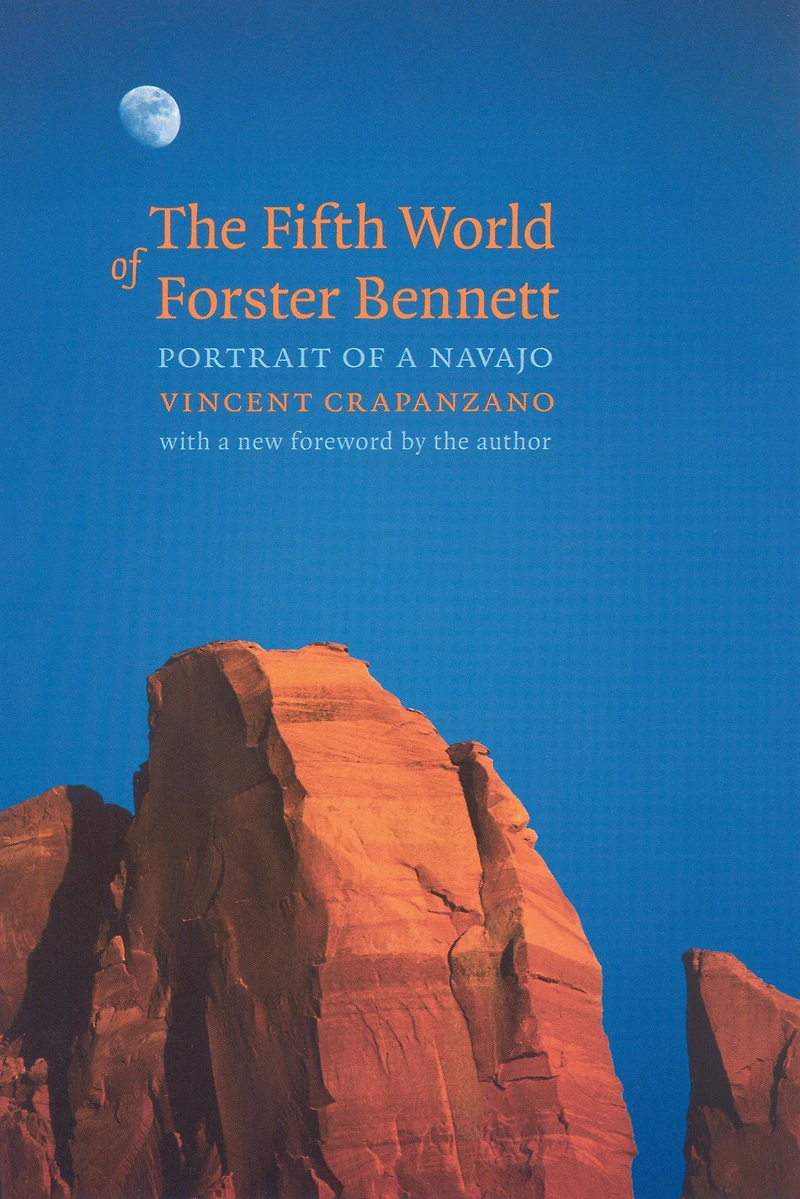
The Fifth World of Forster Bennett: Portrait of a Navajo
By None
Current price: $24.95
Coles
The Fifth World of Forster Bennett: Portrait of a Navajo
By None
Current price: $24.95
Loading Inventory...
Size: Paperback
*Product information and pricing may vary - to confirm current pricing, availability, shipping, and return information please contact Coles. In the event of a pricing discrepancy, the retailer's price will apply.
It is told that the ancestors of the Navajos journeyed through four worlds to reach the fifth, or present, one. The pressing complexities and underlying wonder of their fifth world of modern reservation life are portrayed in this classic ethnographic account by Vincent Crapanzano. As a young, inexperienced anthropologist, Crapanzano spent a summer with a Navajo man he calls Forster Bennett. In his fifties, Bennett was raised during the early reservation years, fought in the South Pacific in the Second World War, and, like many, carried a deep but not always openly expressed resentment toward whites. Crapanzano’s honest and gritty account of his time with Bennett and Bennett's community reveals a stark portrait of the “flat, slow quality of reservation life,” where boredom and poverty coexist with age-old sacred rituals and the varying ways that Navajos react and adjust to changes in their culture.
It is told that the ancestors of the Navajos journeyed through four worlds to reach the fifth, or present, one. The pressing complexities and underlying wonder of their fifth world of modern reservation life are portrayed in this classic ethnographic account by Vincent Crapanzano. As a young, inexperienced anthropologist, Crapanzano spent a summer with a Navajo man he calls Forster Bennett. In his fifties, Bennett was raised during the early reservation years, fought in the South Pacific in the Second World War, and, like many, carried a deep but not always openly expressed resentment toward whites. Crapanzano’s honest and gritty account of his time with Bennett and Bennett's community reveals a stark portrait of the “flat, slow quality of reservation life,” where boredom and poverty coexist with age-old sacred rituals and the varying ways that Navajos react and adjust to changes in their culture.
You May Also Like












More About Coles at Prairie Mall
11801 100 St #104, Grande Prairie, AB T8V 3Y2, Canada
Find Coles at Prairie Mall in Grande Prairie, AB
Visit Coles at Prairie Mall in Grande Prairie, AB