


Gifting Made Simple
Give the Gift of ChoiceClick below to purchase a Prairie Mall eGift Card that can be used at participating retailers at Prairie Mall.Buy Gift CardHome
The Failure of Counterinsurgency: Why Hearts and Minds Are Seldom Won
Coles
Loading Inventory...
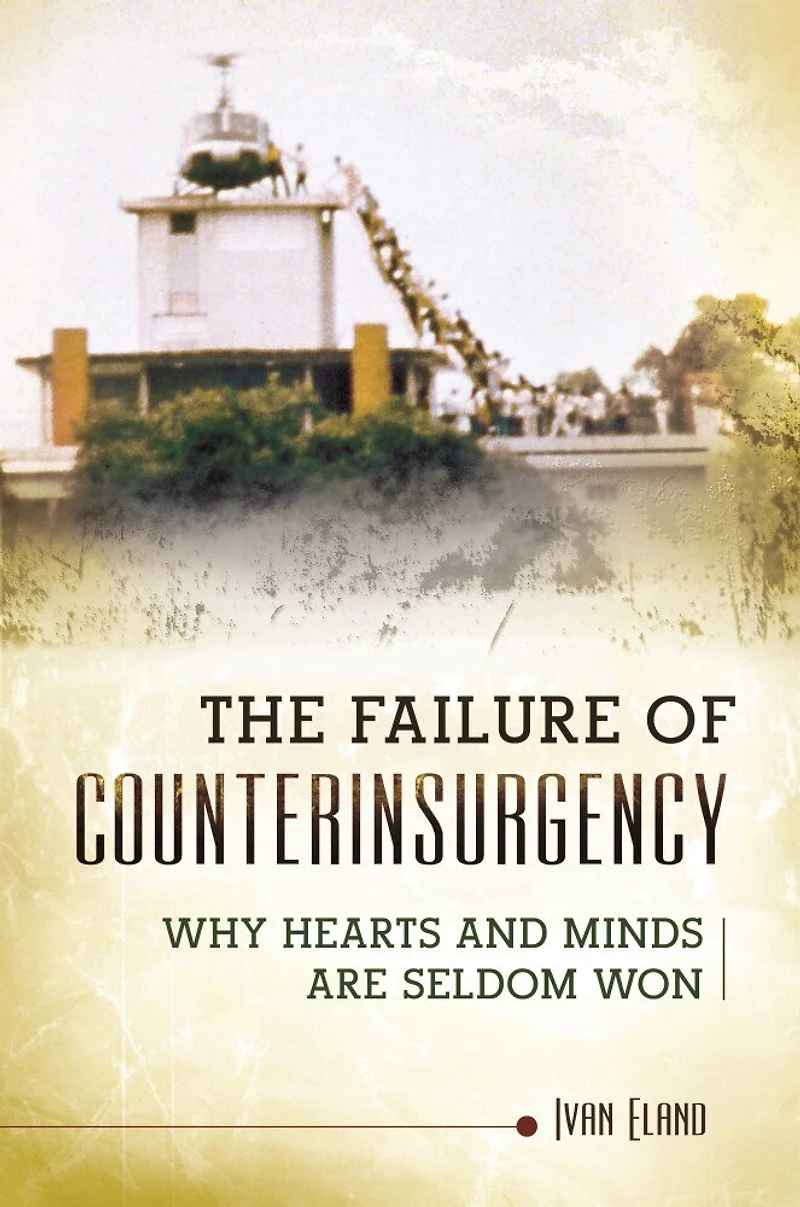
The Failure of Counterinsurgency: Why Hearts and Minds Are Seldom Won in Grande Prairie, AB
Current price: $67.50
Coles
The Failure of Counterinsurgency: Why Hearts and Minds Are Seldom Won in Grande Prairie, AB
Current price: $67.50
Loading Inventory...
Size: Hardcover
*Product information and pricing may vary - to confirm current pricing, availability, shipping, and return information please contact Coles. In the event of a pricing discrepancy, the retailer's price will apply.
This book examines the implications of counterinsurgency warfare for U.S. defense policy and makes the compelling argument that the United States' default position on counterinsurgency wars should be to avoid them. Given the unsatisfactory outcomes of the counterinsurgency (COIN) wars in Afghanistan and Iraq, the U.S. military is now in a heated debate over whether wars involving COIN operations are worth fighting. This book provides a comprehensive analysis of the effectiveness of COIN through key historic episodes and concludes that the answer is an emphatic "no," based on a dominant record of U.S. military or political failure, and inconsistency in the reasons for the rare cases of success. The author also examines the implications of his findings for U.S. foreign policy, defense policy, and future weapons procurement.
This book examines the implications of counterinsurgency warfare for U.S. defense policy and makes the compelling argument that the United States' default position on counterinsurgency wars should be to avoid them. Given the unsatisfactory outcomes of the counterinsurgency (COIN) wars in Afghanistan and Iraq, the U.S. military is now in a heated debate over whether wars involving COIN operations are worth fighting. This book provides a comprehensive analysis of the effectiveness of COIN through key historic episodes and concludes that the answer is an emphatic "no," based on a dominant record of U.S. military or political failure, and inconsistency in the reasons for the rare cases of success. The author also examines the implications of his findings for U.S. foreign policy, defense policy, and future weapons procurement.
You May Also Like
















Find at Prairie Mall in Grande Prairie, AB
Visit at Prairie Mall in Grande Prairie, AB