


Gifting Made Simple
Give the Gift of ChoiceClick below to purchase a Prairie Mall eGift Card that can be used at participating retailers at Prairie Mall.Buy Gift CardHome
The Dynamics of Epistemic Injustice: Situating Power and Agency
Coles
Loading Inventory...
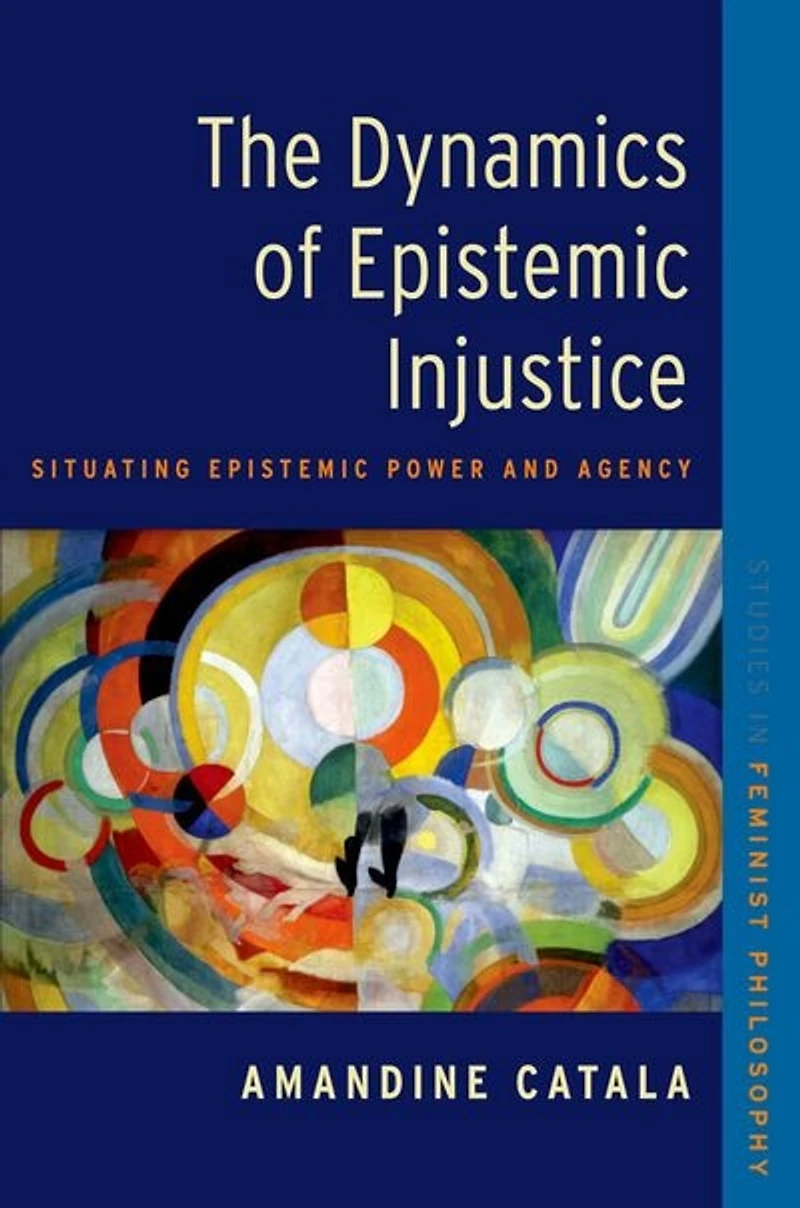
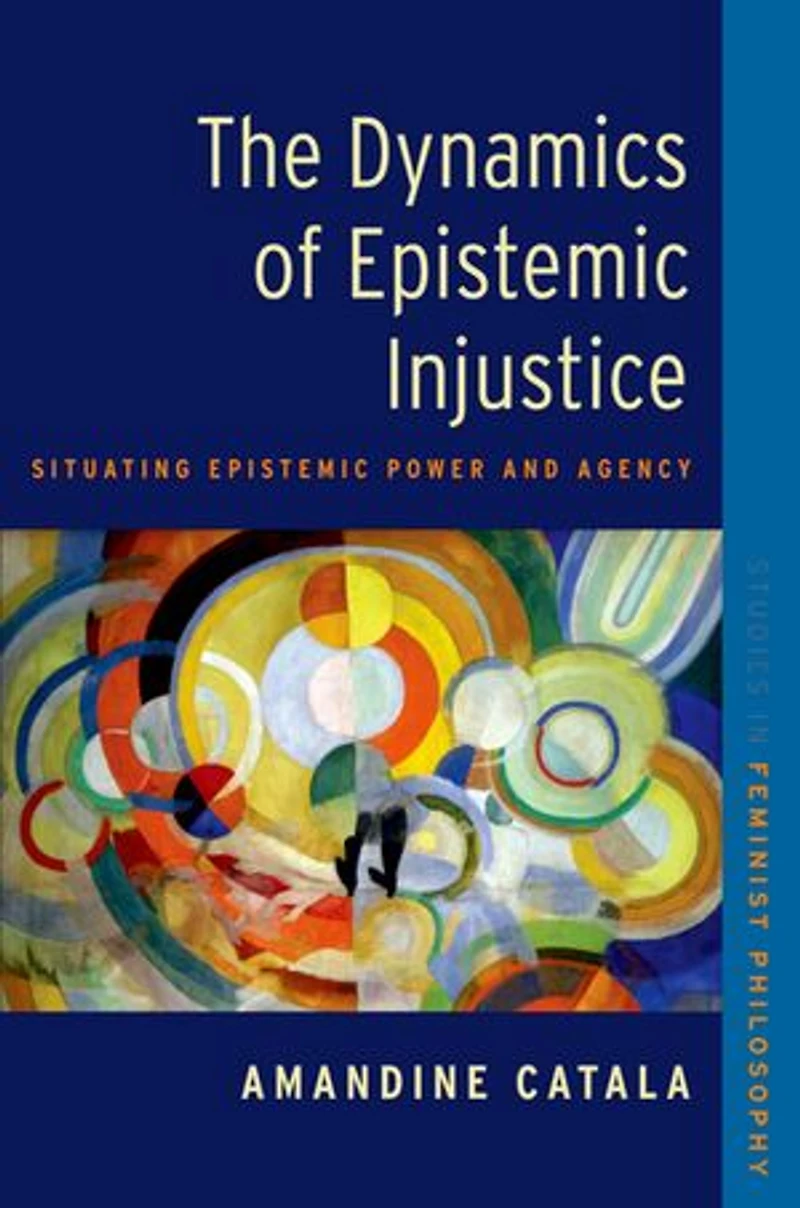
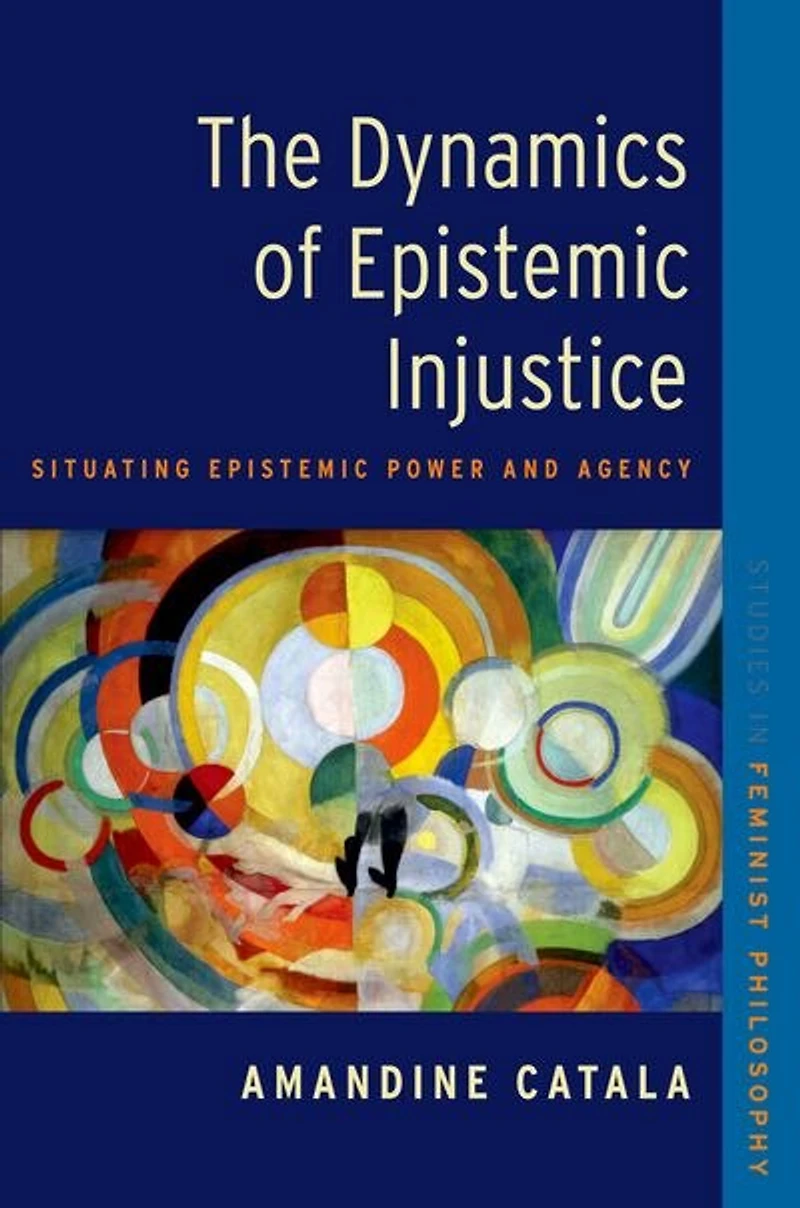
The Dynamics of Epistemic Injustice: Situating Power and Agency in Grande Prairie, AB
Current price: $130.00
Coles
The Dynamics of Epistemic Injustice: Situating Power and Agency in Grande Prairie, AB
Current price: $130.00
Loading Inventory...
Size: Hardcover
*Product information and pricing may vary - to confirm current pricing, availability, shipping, and return information please contact Coles. In the event of a pricing discrepancy, the retailer's price will apply.
Epistemic injustice refers to the injustice that a person suffers specifically in their capacity as a knower--i.e., as someone who produces, conveys, or uses knowledge. Epistemic injustice occurs every day when members of non-dominant groups are not included or taken seriously in conversations or social representations due to individual or societal biases. Epistemic injustice is inherently connected to epistemic power and epistemic agency: understanding and addressing epistemic injustice allows us to better understand and address epistemic power and agency, and vice versa. Yet, despite vast and rich discussions of epistemic injustice, which often invoke the notions of epistemic power and epistemic agency, both notions remain undertheorized and hence largely elusive. Amandine Catala offers a systematic account of epistemic power and agency by turning to the dynamics of epistemic injustice -- that is, the many forms epistemic injustice can take, the different sites and mechanisms through which it operates, and the various transformations consequently required to cultivate greater epistemic justice. Adopting standpoint theory as both a theoretical and a methodological framework, Catala considers several pressing social questions, such as deliberative impasses in divided societies, colonial memory, academic migration, the underrepresentation of members of non-dominant groups in certain fields, the marginalization of minoritized minds such as intellectually disabled people, and the underdiagnosing of autistic women. By analyzing these social questions through the lens of the dynamics of epistemic injustice, this book makes two main contributions: it develops a systematic account of epistemic power and agency that highlights the interaction between individual and structural factors, and it offers a pluralist account of epistemic injustice and agency that reveals their non-propositional and non-verbal dimensions.
Epistemic injustice refers to the injustice that a person suffers specifically in their capacity as a knower--i.e., as someone who produces, conveys, or uses knowledge. Epistemic injustice occurs every day when members of non-dominant groups are not included or taken seriously in conversations or social representations due to individual or societal biases. Epistemic injustice is inherently connected to epistemic power and epistemic agency: understanding and addressing epistemic injustice allows us to better understand and address epistemic power and agency, and vice versa. Yet, despite vast and rich discussions of epistemic injustice, which often invoke the notions of epistemic power and epistemic agency, both notions remain undertheorized and hence largely elusive. Amandine Catala offers a systematic account of epistemic power and agency by turning to the dynamics of epistemic injustice -- that is, the many forms epistemic injustice can take, the different sites and mechanisms through which it operates, and the various transformations consequently required to cultivate greater epistemic justice. Adopting standpoint theory as both a theoretical and a methodological framework, Catala considers several pressing social questions, such as deliberative impasses in divided societies, colonial memory, academic migration, the underrepresentation of members of non-dominant groups in certain fields, the marginalization of minoritized minds such as intellectually disabled people, and the underdiagnosing of autistic women. By analyzing these social questions through the lens of the dynamics of epistemic injustice, this book makes two main contributions: it develops a systematic account of epistemic power and agency that highlights the interaction between individual and structural factors, and it offers a pluralist account of epistemic injustice and agency that reveals their non-propositional and non-verbal dimensions.
You May Also Like



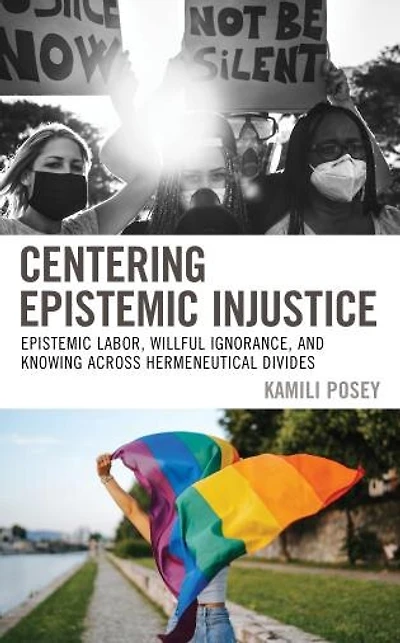












Find at Prairie Mall in Grande Prairie, AB
Visit at Prairie Mall in Grande Prairie, AB