


Gifting Made Simple
Give the Gift of ChoiceClick below to purchase a Prairie Mall eGift Card that can be used at participating retailers at Prairie Mall.Buy Gift CardHome
The Dialectic of Position and Maneuver: Understanding Gramsci’s Military Metaphor
Coles
Loading Inventory...
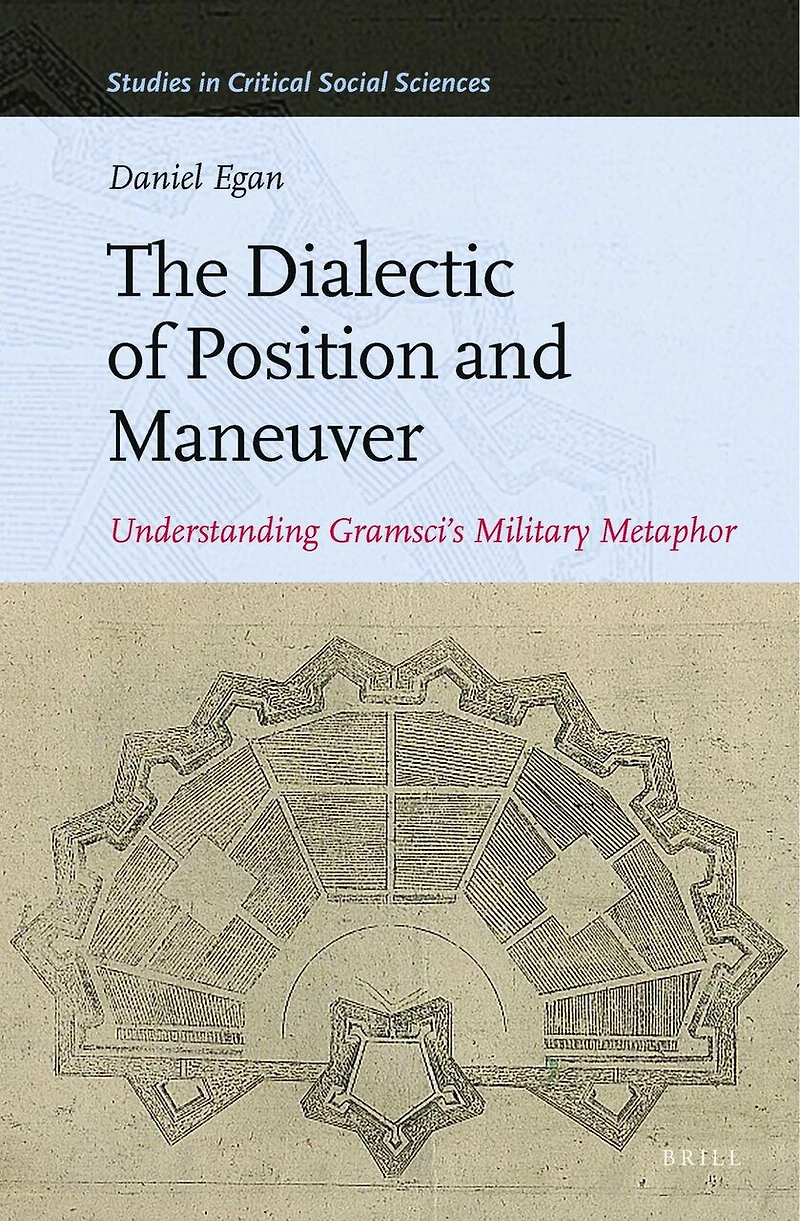
The Dialectic of Position and Maneuver: Understanding Gramsci’s Military Metaphor in Grande Prairie, AB
Current price: $177.99
Coles
The Dialectic of Position and Maneuver: Understanding Gramsci’s Military Metaphor in Grande Prairie, AB
Current price: $177.99
Loading Inventory...
Size: Hardcover
*Product information and pricing may vary - to confirm current pricing, availability, shipping, and return information please contact Coles. In the event of a pricing discrepancy, the retailer's price will apply.
In The Dialectic of Position and Maneuver , Daniel Egan examines the role that the military metaphors of war of position and war of maneuver play in Antonio Gramsci’s social theory. The foundation for this analysis is the different ways in which Marxists have understood war and military strategy since the mid-nineteenth century. In doing so, Egan argues that the distinction between war of position and war of maneuver which is so central to Gramsci’s work as well as contemporary interpretations of his work must be understood in a more dialectical manner. This conclusion is important not only in terms of Gramsci’s social theory, but also for understanding the limits and possibilities of contemporary political strategies for the left worldwide.
In The Dialectic of Position and Maneuver , Daniel Egan examines the role that the military metaphors of war of position and war of maneuver play in Antonio Gramsci’s social theory. The foundation for this analysis is the different ways in which Marxists have understood war and military strategy since the mid-nineteenth century. In doing so, Egan argues that the distinction between war of position and war of maneuver which is so central to Gramsci’s work as well as contemporary interpretations of his work must be understood in a more dialectical manner. This conclusion is important not only in terms of Gramsci’s social theory, but also for understanding the limits and possibilities of contemporary political strategies for the left worldwide.
You May Also Like









Find at Prairie Mall in Grande Prairie, AB
Visit at Prairie Mall in Grande Prairie, AB