


Gifting Made Simple
Give the Gift of ChoiceClick below to purchase a Prairie Mall eGift Card that can be used at participating retailers at Prairie Mall.Buy Gift CardHome
The Demands of Justice: Enslaved Women, Capital Crime, and Clemency Early Virginia
Coles
Loading Inventory...
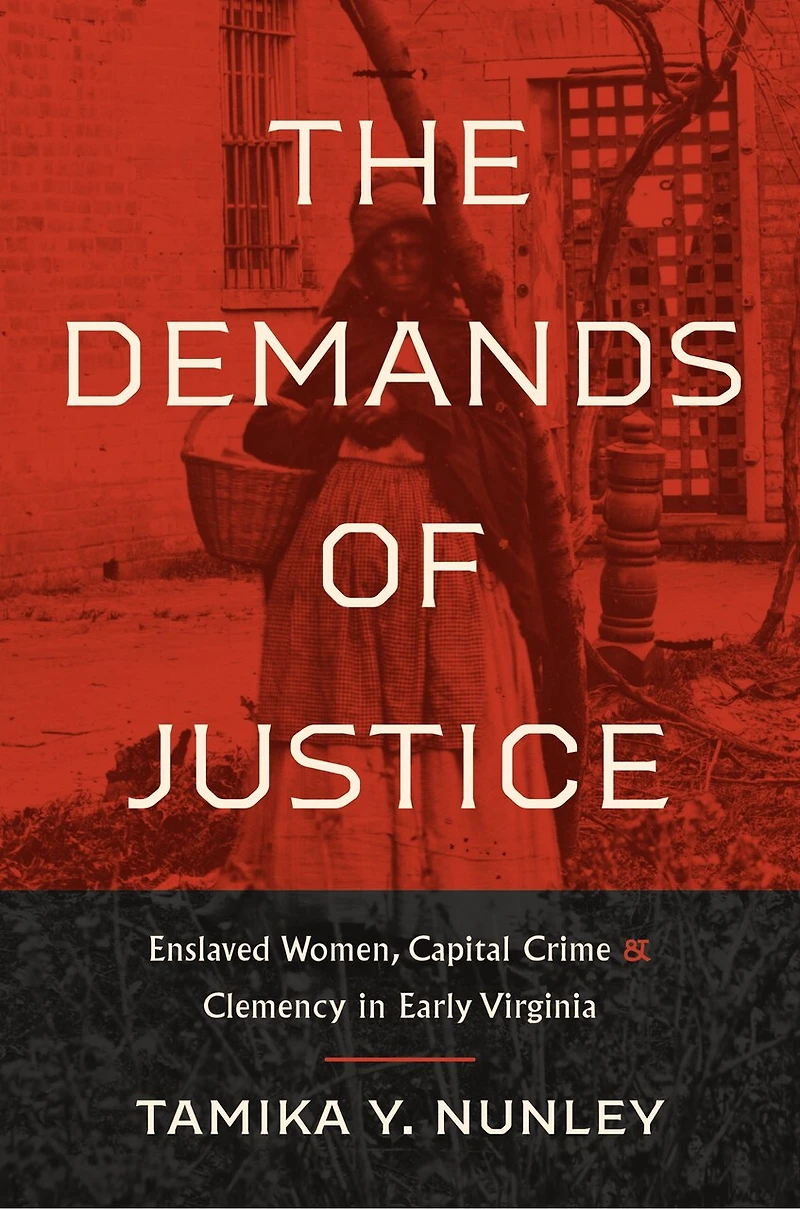
The Demands of Justice: Enslaved Women, Capital Crime, and Clemency Early Virginia in Grande Prairie, AB
Current price: $141.95
Coles
The Demands of Justice: Enslaved Women, Capital Crime, and Clemency Early Virginia in Grande Prairie, AB
Current price: $141.95
Loading Inventory...
Size: Hardcover
*Product information and pricing may vary - to confirm current pricing, availability, shipping, and return information please contact Coles. In the event of a pricing discrepancy, the retailer's price will apply.
Award-winning historian Tamika Y. Nunley has unearthed the stories of enslaved Black women charged by their owners with poisoning, theft, murder, infanticide, and arson. While free Black and white people accused of capital crimes received a hearing, trial, and, if convicted, an opportunity to appeal, none of these options were available to enslaved people. Conviction was final, and only the state or owners could spare their accused chattel of punishment by death. For enslaved women in Virginia, clemency was not uncommon, but Nunley shows why this act ultimately benefitted owners and punished the accused with sale outside of the state as the best possible outcome.
Demonstrating how crimes, convictions, and clemency functioned within a slave society that upheld the property interests of white Virginians, Nunley reveals the frequency with which owners preferred to keep the accused in bondage, which allowed them, behind the veil of paternalism, to continue to benefit from Black women’s labor. This so-called clemency also sought to rob Black women of the power they exercised when they committed capital crimes. The testimonies that Nunley has collected and analyzed offer compelling glimpses of the self-identities forged by Black women as they attempted to resist enslavement and the limits of justice available to them in the antebellum courtroom.
Award-winning historian Tamika Y. Nunley has unearthed the stories of enslaved Black women charged by their owners with poisoning, theft, murder, infanticide, and arson. While free Black and white people accused of capital crimes received a hearing, trial, and, if convicted, an opportunity to appeal, none of these options were available to enslaved people. Conviction was final, and only the state or owners could spare their accused chattel of punishment by death. For enslaved women in Virginia, clemency was not uncommon, but Nunley shows why this act ultimately benefitted owners and punished the accused with sale outside of the state as the best possible outcome.
Demonstrating how crimes, convictions, and clemency functioned within a slave society that upheld the property interests of white Virginians, Nunley reveals the frequency with which owners preferred to keep the accused in bondage, which allowed them, behind the veil of paternalism, to continue to benefit from Black women’s labor. This so-called clemency also sought to rob Black women of the power they exercised when they committed capital crimes. The testimonies that Nunley has collected and analyzed offer compelling glimpses of the self-identities forged by Black women as they attempted to resist enslavement and the limits of justice available to them in the antebellum courtroom.
You May Also Like












Find at Prairie Mall in Grande Prairie, AB
Visit at Prairie Mall in Grande Prairie, AB