


Gifting Made Simple
Give the Gift of ChoiceClick below to purchase a Prairie Mall eGift Card that can be used at participating retailers at Prairie Mall.Buy Gift CardHome
The Dancing Girl: Autobiographical Novel
Coles
Loading Inventory...
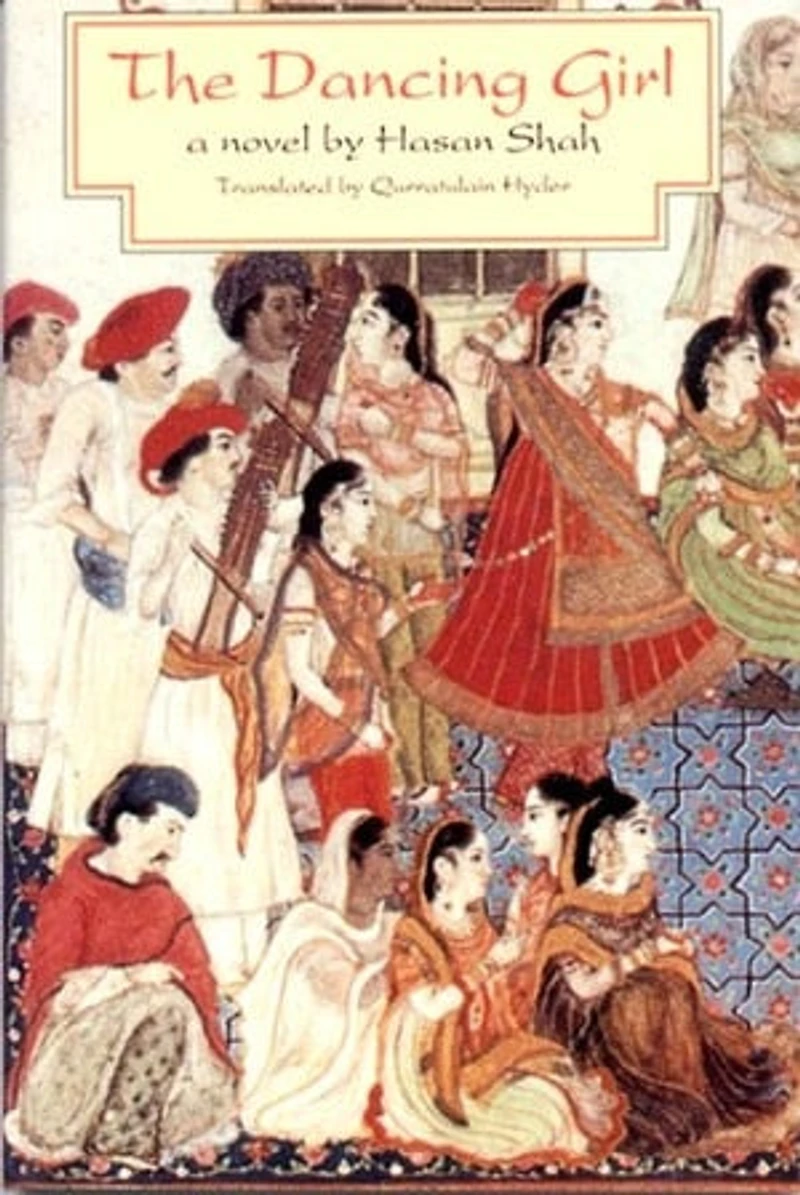
The Dancing Girl: Autobiographical Novel in Grande Prairie, AB
Current price: $22.95
Coles
The Dancing Girl: Autobiographical Novel in Grande Prairie, AB
Current price: $22.95
Loading Inventory...
Size: Paperback
*Product information and pricing may vary - to confirm current pricing, availability, shipping, and return information please contact Coles. In the event of a pricing discrepancy, the retailer's price will apply.
Written in 1790, Hasan Shah’s autobiographical romance, The Dancing Girl , is remarkable for both its lyrical prose and its fine recreation of a time, a place, and a culture––India in the 1780s, a tolerant, affable era before the full establishment of British colonial rule. The Dancing Girl tells of the doomed love of Hasan Shah (aide-de-camp to a British officer) and Khanum Jan (a courageous and gifted dancer of the courtesan caste) whose secret marriage could not prevent their separation. At Khanum Jan’s death, her grief-striken husband turned his raw emotion into a surprisingly modern, first-person narrative “without realizing,” as leading Urdu novelist Qurratulain Hyder observes in the foreword to her translation (from the 1893 Urdu translation of the original Persian), “that he had become a pioneer of the modern Indian novel.”
Written in 1790, Hasan Shah’s autobiographical romance, The Dancing Girl , is remarkable for both its lyrical prose and its fine recreation of a time, a place, and a culture––India in the 1780s, a tolerant, affable era before the full establishment of British colonial rule. The Dancing Girl tells of the doomed love of Hasan Shah (aide-de-camp to a British officer) and Khanum Jan (a courageous and gifted dancer of the courtesan caste) whose secret marriage could not prevent their separation. At Khanum Jan’s death, her grief-striken husband turned his raw emotion into a surprisingly modern, first-person narrative “without realizing,” as leading Urdu novelist Qurratulain Hyder observes in the foreword to her translation (from the 1893 Urdu translation of the original Persian), “that he had become a pioneer of the modern Indian novel.”









Find at Prairie Mall in Grande Prairie, AB
Visit at Prairie Mall in Grande Prairie, AB