


Gifting Made Simple
Give the Gift of ChoiceClick below to purchase a Prairie Mall eGift Card that can be used at participating retailers at Prairie Mall.Buy Gift CardHome
The COVID-19 Intelligence Failure: Why Warning Was Not Enough
Coles
Loading Inventory...
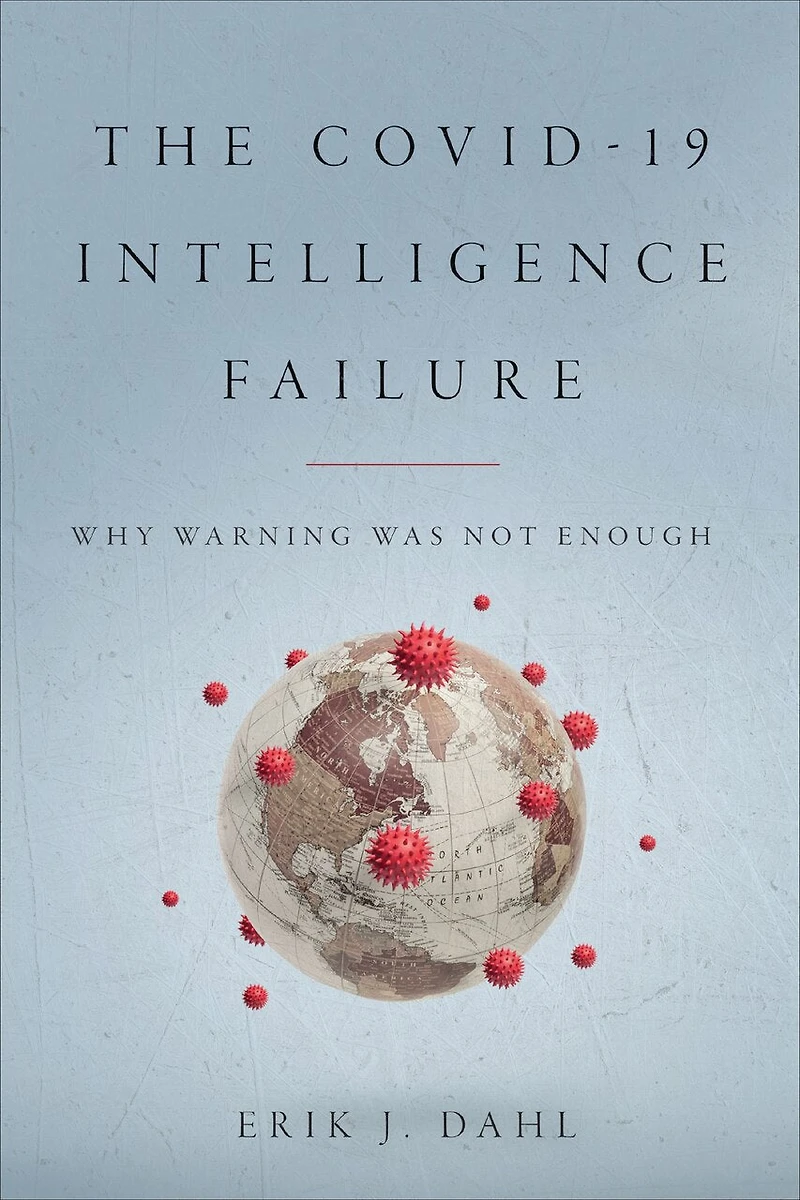
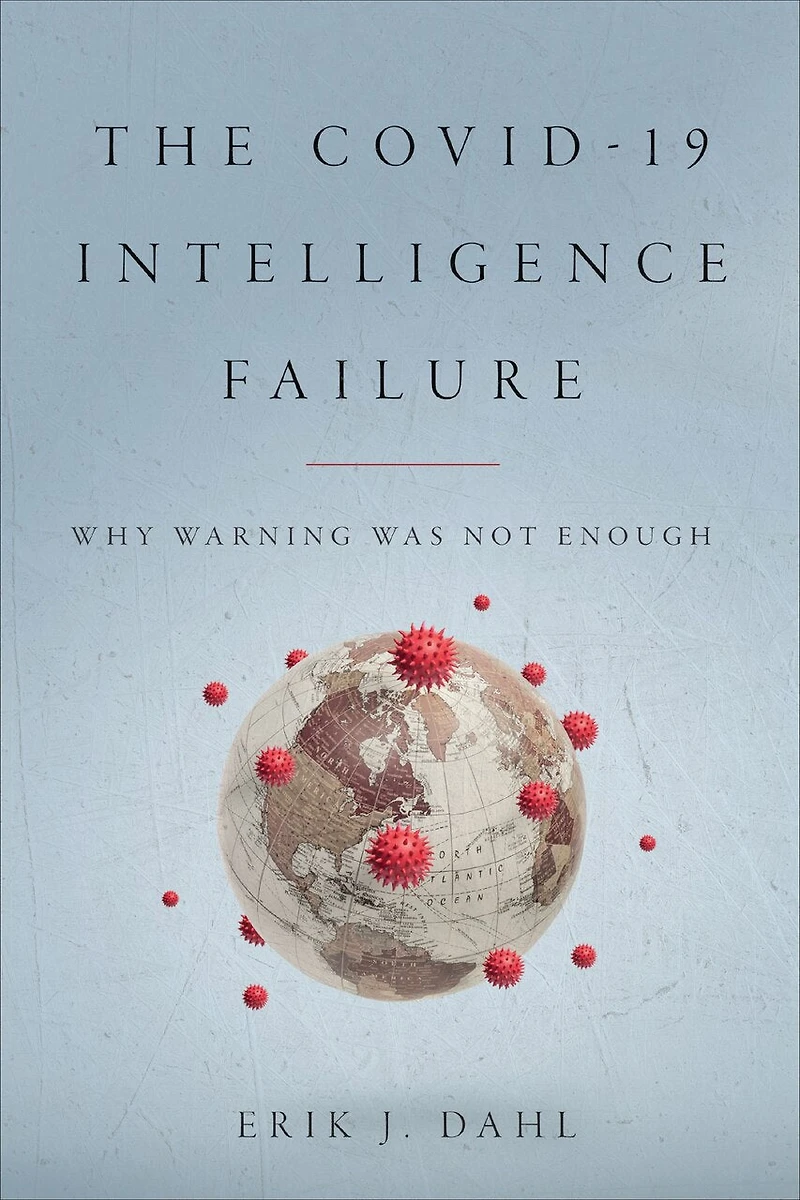
The COVID-19 Intelligence Failure: Why Warning Was Not Enough in Grande Prairie, AB
Current price: $116.95
Coles
The COVID-19 Intelligence Failure: Why Warning Was Not Enough in Grande Prairie, AB
Current price: $116.95
Loading Inventory...
Size: Hardcover
*Product information and pricing may vary - to confirm current pricing, availability, shipping, and return information please contact Coles. In the event of a pricing discrepancy, the retailer's price will apply.
An in-depth analysis of why COVID-19 warnings failed and how to avert the next disaster
Epidemiologists and national security agencies warned for years about the potential for a deadly pandemic, but in the end global surveillance and warning systems were not enough to avert the COVID-19 disaster. In The COVID-19 Intelligence Failure , Erik J. Dahl demonstrates that understanding how intelligence warnings work?and how they fail?shows why the years of predictions were not enough.
In the first in-depth analysis of the topic, Dahl examines the roles that both traditional intelligence services and medical intelligence and surveillance systems play in providing advance warning against public health threats?and how these systems must be improved for the future. For intelligence to effectively mitigate threats, specific, tactical-level warnings must be collected and shared in real time with receptive decision makers who will take appropriate action. Dahl shows how a combination of late and insufficient warnings about COVID-19, the Trump administration?s political aversion to scientific advice, and decentralized public health systems all exacerbated the pandemic in the United States. Dahl?s analysis draws parallels to other warning failures that preceded major catastrophes from Pearl Harbor to 9/11, placing current events in context.
The COVID-19 Intelligence Failure is a wake-up call for the United States and the international community to improve their national security, medical, and public health intelligence systems and capabilities.
An in-depth analysis of why COVID-19 warnings failed and how to avert the next disaster
Epidemiologists and national security agencies warned for years about the potential for a deadly pandemic, but in the end global surveillance and warning systems were not enough to avert the COVID-19 disaster. In The COVID-19 Intelligence Failure , Erik J. Dahl demonstrates that understanding how intelligence warnings work?and how they fail?shows why the years of predictions were not enough.
In the first in-depth analysis of the topic, Dahl examines the roles that both traditional intelligence services and medical intelligence and surveillance systems play in providing advance warning against public health threats?and how these systems must be improved for the future. For intelligence to effectively mitigate threats, specific, tactical-level warnings must be collected and shared in real time with receptive decision makers who will take appropriate action. Dahl shows how a combination of late and insufficient warnings about COVID-19, the Trump administration?s political aversion to scientific advice, and decentralized public health systems all exacerbated the pandemic in the United States. Dahl?s analysis draws parallels to other warning failures that preceded major catastrophes from Pearl Harbor to 9/11, placing current events in context.
The COVID-19 Intelligence Failure is a wake-up call for the United States and the international community to improve their national security, medical, and public health intelligence systems and capabilities.
You May Also Like



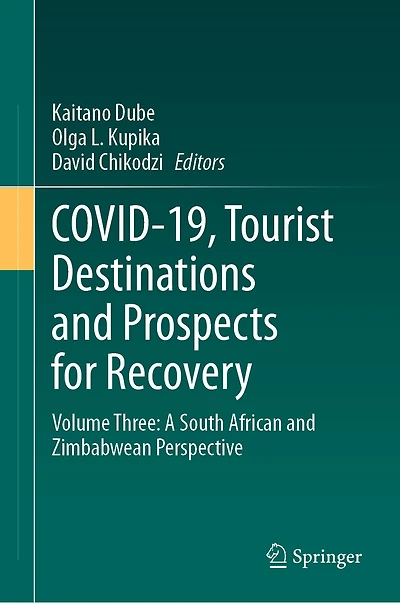












Find at Prairie Mall in Grande Prairie, AB
Visit at Prairie Mall in Grande Prairie, AB