


Gifting Made Simple
Give the Gift of ChoiceClick below to purchase a Prairie Mall eGift Card that can be used at participating retailers at Prairie Mall.Buy Gift CardHome
the Correspondence between Peter Venerable and Bernard of Clairvaux: A Semantic Structural Analysis
Coles
Loading Inventory...
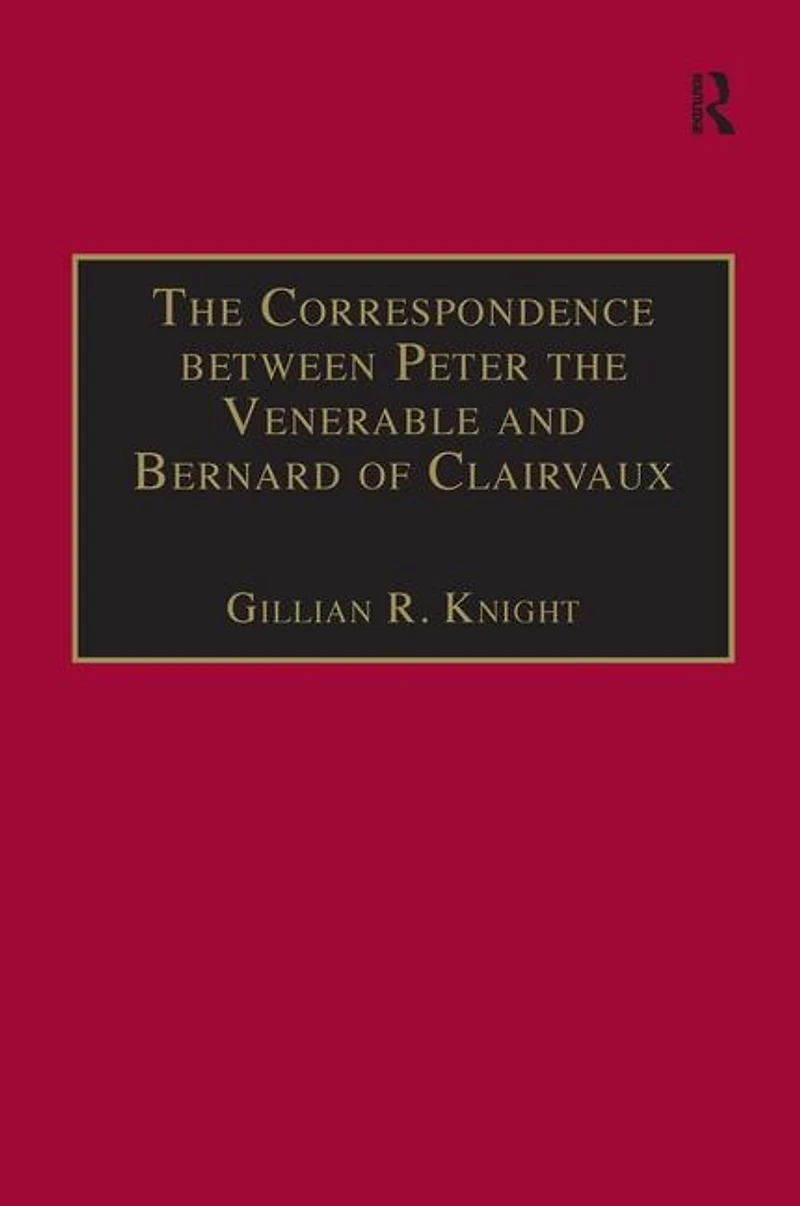
the Correspondence between Peter Venerable and Bernard of Clairvaux: A Semantic Structural Analysis in Grande Prairie, AB
Current price: $296.50
Coles
the Correspondence between Peter Venerable and Bernard of Clairvaux: A Semantic Structural Analysis in Grande Prairie, AB
Current price: $296.50
Loading Inventory...
Size: Hardcover
*Product information and pricing may vary - to confirm current pricing, availability, shipping, and return information please contact Coles. In the event of a pricing discrepancy, the retailer's price will apply.
Starting from the premise of the letter as literary artefact, with a potential for ambiguity, irony and textual allusion, this innovative analysis of the correspondence between the Cluniac abbot, Peter the Venerable, and the future saint, Bernard of Clairvaux, challenges the traditional use of these letters as a source for historical and (auto)biographical reconstruction. Applying techniques drawn from modern theories of epistolarity and contemporary literary criticism to letters treated as whole constructs, Knight demonstrates the presence of a range of manipulative strategies and argues for the consequent production of a significant degree of fictionalisation. She traces the emergence of an epistolarly sequence which forms a kind of extended narrative, drawing its authority from Augustine and Jerome, and rooted in classical rhetoric. The work raises important implications both for the study of relations between Cluniacs and Cistercians in the first half of the 12th century and for the approach to letter-writing as a whole.
Starting from the premise of the letter as literary artefact, with a potential for ambiguity, irony and textual allusion, this innovative analysis of the correspondence between the Cluniac abbot, Peter the Venerable, and the future saint, Bernard of Clairvaux, challenges the traditional use of these letters as a source for historical and (auto)biographical reconstruction. Applying techniques drawn from modern theories of epistolarity and contemporary literary criticism to letters treated as whole constructs, Knight demonstrates the presence of a range of manipulative strategies and argues for the consequent production of a significant degree of fictionalisation. She traces the emergence of an epistolarly sequence which forms a kind of extended narrative, drawing its authority from Augustine and Jerome, and rooted in classical rhetoric. The work raises important implications both for the study of relations between Cluniacs and Cistercians in the first half of the 12th century and for the approach to letter-writing as a whole.
You May Also Like









Find at Prairie Mall in Grande Prairie, AB
Visit at Prairie Mall in Grande Prairie, AB