


Gifting Made Simple
Give the Gift of ChoiceClick below to purchase a Prairie Mall eGift Card that can be used at participating retailers at Prairie Mall.Buy Gift CardHome
The Cooperative Enterprise: Practical Evidence for a Theory of Entrepreneurship
Coles
Loading Inventory...
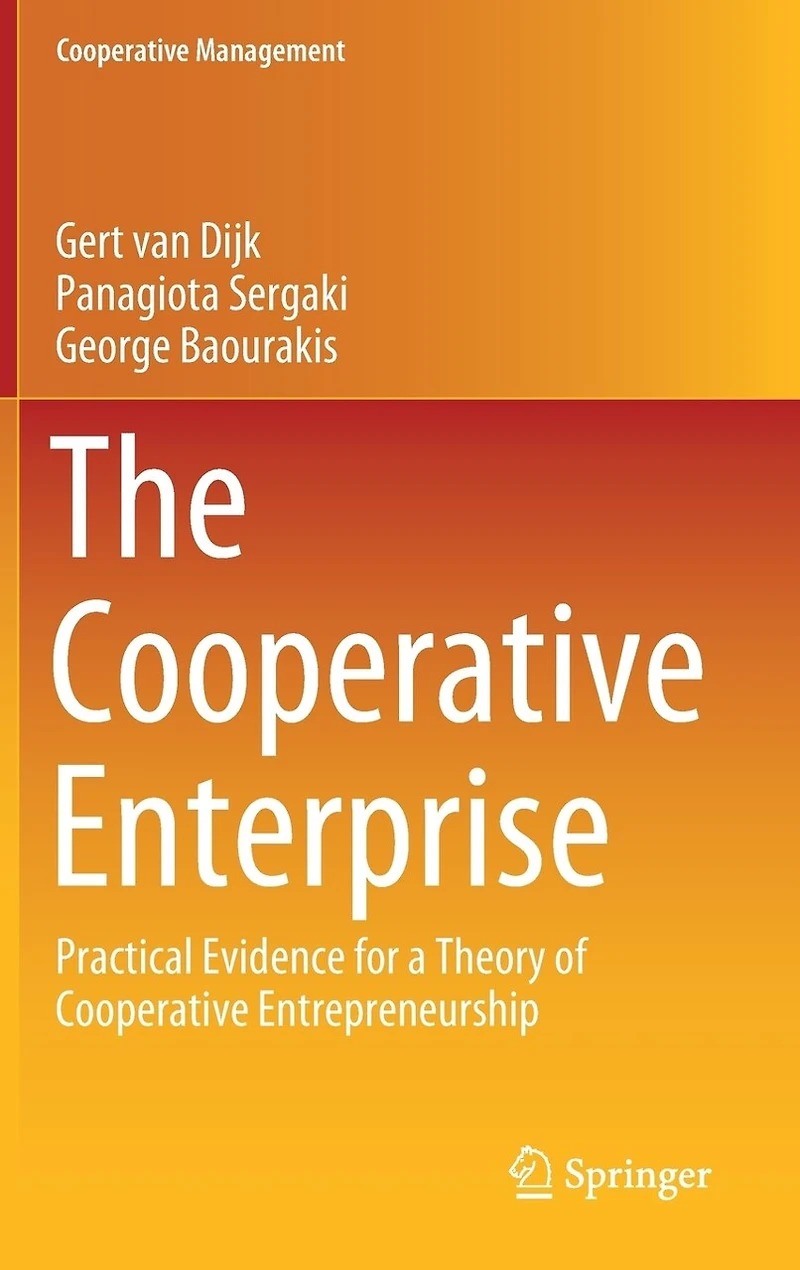

The Cooperative Enterprise: Practical Evidence for a Theory of Entrepreneurship in Grande Prairie, AB
Current price: $262.95
Coles
The Cooperative Enterprise: Practical Evidence for a Theory of Entrepreneurship in Grande Prairie, AB
Current price: $262.95
Loading Inventory...
Size: Hardcover
*Product information and pricing may vary - to confirm current pricing, availability, shipping, and return information please contact Coles. In the event of a pricing discrepancy, the retailer's price will apply.
This book presents a study of cooperatives as a two-layer entrepreneurial model, and analyzes cooperative enterprises. Above all, it explores how inducements (from the firm) and contributions (from its members, in their respective roles) are aligned, and seeks to answer the question of what this means for managing each cooperative as a firm as well as a group.
The book is divided into three parts, the first of which begins with an analysis of specific aspects of cooperative enterprises, with a focus on the added value of cooperation, the weighing of interests, and a behavioral perspective on the imminent communities and their goals. In a structured approach, the book examines the various facets of relationships in cooperatives on a transactional, financial and control level. Further, a case study on the Dutch cooperative Rabobank illustrates what happens when members fail. In turn, part two concentrates on integrating the lessons learned with the existing economic literature on cooperatives, so as to contribute to a theory of cooperative management. Finally, the book links the theoretical approach to practice: in the third part, it reports on the outcomes of using a computerized simulation game to show members of cooperatives how to manage their business and the cooperative business at the same time, enabling them to understand and actively practice two-level entrepreneurship.
This book presents a study of cooperatives as a two-layer entrepreneurial model, and analyzes cooperative enterprises. Above all, it explores how inducements (from the firm) and contributions (from its members, in their respective roles) are aligned, and seeks to answer the question of what this means for managing each cooperative as a firm as well as a group.
The book is divided into three parts, the first of which begins with an analysis of specific aspects of cooperative enterprises, with a focus on the added value of cooperation, the weighing of interests, and a behavioral perspective on the imminent communities and their goals. In a structured approach, the book examines the various facets of relationships in cooperatives on a transactional, financial and control level. Further, a case study on the Dutch cooperative Rabobank illustrates what happens when members fail. In turn, part two concentrates on integrating the lessons learned with the existing economic literature on cooperatives, so as to contribute to a theory of cooperative management. Finally, the book links the theoretical approach to practice: in the third part, it reports on the outcomes of using a computerized simulation game to show members of cooperatives how to manage their business and the cooperative business at the same time, enabling them to understand and actively practice two-level entrepreneurship.
You May Also Like

















Find at Prairie Mall in Grande Prairie, AB
Visit at Prairie Mall in Grande Prairie, AB