


Gifting Made Simple
Give the Gift of ChoiceClick below to purchase a Prairie Mall eGift Card that can be used at participating retailers at Prairie Mall.Buy Gift CardHome
The Consumption of Justice: Emotions, Publicity, and Legal Culture Marseille, 1264–1423
Coles
Loading Inventory...
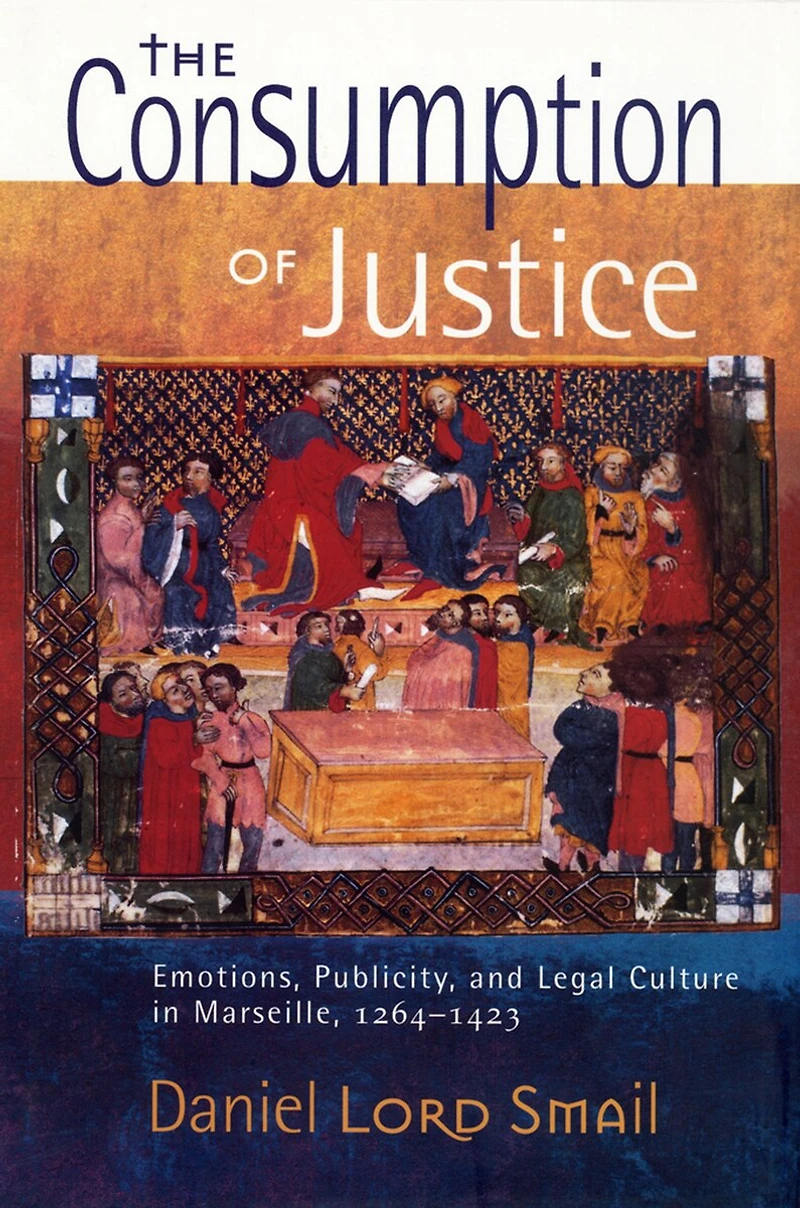

The Consumption of Justice: Emotions, Publicity, and Legal Culture Marseille, 1264–1423 in Grande Prairie, AB
Current price: $92.95
Coles
The Consumption of Justice: Emotions, Publicity, and Legal Culture Marseille, 1264–1423 in Grande Prairie, AB
Current price: $92.95
Loading Inventory...
Size: Hardcover
*Product information and pricing may vary - to confirm current pricing, availability, shipping, and return information please contact Coles. In the event of a pricing discrepancy, the retailer's price will apply.
In the thirteenth and fourteenth centuries, the ideas and practices of justice in Europe underwent significant change as procedures were transformed and criminal and civil caseloads grew apace. Drawing on the rich judicial records of Marseille from the years 1264 to 1423, especially records of civil litigation, this book approaches the courts of law from the perspective of the users of the courts (the consumers of justice) and explains why men and women chose to invest resources in the law.Daniel Lord Smail shows that the courts were quickly adopted as a public stage on which litigants could take revenge on their enemies. Even as the new legal system served the interest of royal or communal authority, it also provided the consumers of justice with a way to broadcast their hatreds and social sanctions to a wider audience and negotiate their own community standing in the process. The emotions that had driven bloodfeuds and other forms of customary vengeance thus never went away, and instead were fully incorporated into the new procedures.
In the thirteenth and fourteenth centuries, the ideas and practices of justice in Europe underwent significant change as procedures were transformed and criminal and civil caseloads grew apace. Drawing on the rich judicial records of Marseille from the years 1264 to 1423, especially records of civil litigation, this book approaches the courts of law from the perspective of the users of the courts (the consumers of justice) and explains why men and women chose to invest resources in the law.Daniel Lord Smail shows that the courts were quickly adopted as a public stage on which litigants could take revenge on their enemies. Even as the new legal system served the interest of royal or communal authority, it also provided the consumers of justice with a way to broadcast their hatreds and social sanctions to a wider audience and negotiate their own community standing in the process. The emotions that had driven bloodfeuds and other forms of customary vengeance thus never went away, and instead were fully incorporated into the new procedures.
You May Also Like



















Find at Prairie Mall in Grande Prairie, AB
Visit at Prairie Mall in Grande Prairie, AB